







A Heritage Journey Begins
The story of the Nilgiri Mountain Railway (NMR), affectionately known as the 'toy train', began in 1908. Built by the British, it was an audacious feat of engineering designed to connect the plains with the cool climes of the hill station of Ooty. Today,
it stands as a testament to that era and is part of the Mountain Railways of India, a collective UNESCO World Heritage Site. The railway is the only one in India that uses a unique rack and pinion system to climb the steep gradients of the Nilgiri hills, making it Asia's steepest track. This technology allows the train to ascend from 326 metres at Mettupalayam to over 2,200 metres at Ooty, a journey that takes approximately five hours.
The Ascent: Mettupalayam to Coonoor
The most dramatic part of the journey is the initial ascent from Mettupalayam to Coonoor. This section is powered by a vintage steam locomotive, its rhythmic chugging providing a nostalgic soundtrack to the unfolding scenery. As the train leaves the plains, the landscape transforms from palm groves to dense, verdant forests. The slow pace, averaging around 10 kilometres per hour, is intentional, allowing passengers to fully absorb the stunning vistas. The train navigates a staggering 208 curves and crosses 250 bridges on its full route, with many of them packed into this initial climb. Passengers with a window seat are treated to spectacular views of deep valleys, rocky cliffs, and gushing streams, especially during the monsoon season.
Tunnels, Bridges, and Vistas
The route is an architectural marvel, featuring 16 tunnels and numerous impressive bridges. These structures, carved through hard rock and built over deep ravines, are highlights of the trip. As the train slowly makes its way up the incline, it passes through quaint stations like Kallar, Adderly, and Hillgrove, which serve as watering stops for the thirsty steam engine. The journey offers a continuous panorama of the Nilgiris' rich biodiversity, including shola forests and a wide variety of birdlife. For the best views of the valleys and gorges on this upward journey, a seat on the right side of the train is often recommended.
The Fragrance of Tea: Coonoor to Ooty
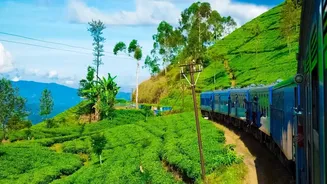
At Coonoor, the journey's character shifts. The steam locomotive is replaced by a diesel engine for the gentler, final leg of the trip to Ooty. This is where the landscape opens up into the iconic rolling hills covered with endless tea plantations for which the Nilgiris are famous. The train winds through these immaculate green carpets, offering a serene and picturesque experience that contrasts with the rugged drama of the lower section. The route passes through charming towns like Wellington and Lovedale, giving glimpses into the local life and colonial-era architecture before its final approach to Ooty.
Arrival in the Queen of Hills
The journey culminates at Udhagamandalam station, also known as Ooty, the 'Queen of Hill Stations'. Arriving by the toy train feels like a fitting introduction to the town's colonial charm and laid-back atmosphere. The station itself retains much of its heritage character, with a small museum dedicated to the railway's history. The five-hour voyage is more than a simple commute; it's an immersive experience that transports you through some of Southern India’s most stunning and varied mountain landscapes. The slow, deliberate pace encourages you to disconnect and savour the journey itself, a rare pleasure in modern travel.