


The Tipping Point Has Arrived
For decades, the Indian auto industry ran on a simple formula: petrol for the masses, diesel for the mile-munchers. That era is officially over. In August 2026, a quiet but monumental shift occurred: for the first time, the combined sales of alternative
fuel vehicles—comprising Compressed Natural Gas (CNG), hybrids, and Electric Vehicles (EVs)—surpassed petrol-powered cars. According to data from the Federation of Automobile Dealers Associations (FADA), these alternatives captured a collective market share of nearly 42%, edging out petrol's 41%. This isn't just a statistic; it's a clear signal that consumer preference has fundamentally changed, driven by high fuel prices and a growing variety of powertrain options. For carmakers, this means the old playbook is obsolete. The future is no longer about a single dominant fuel but a complex, fragmented market where betting on the wrong horse could be a catastrophic mistake.
CNG: The Practical, Profitable Present
Leading the alternative fuel charge is CNG, which commands a massive 25% of the market. Long seen as a compromise for the budget-conscious, CNG has transformed into a strategic pillar, particularly for India's largest carmaker, Maruti Suzuki. The appeal is simple: significantly lower running costs without the range anxiety or charging dependency of EVs. Carmakers are now treating CNG with newfound seriousness, moving beyond basic, entry-level models. Tata Motors revolutionised the segment with its twin-cylinder technology, which frees up crucial boot space—a traditional drawback of CNG vehicles. Furthermore, manufacturers are increasingly offering factory-fitted CNG kits in higher-spec variants, complete with premium features and even automatic transmissions. This evolution proves CNG is no longer just an afterthought but a durable and highly profitable segment that caters to the pragmatism of the Indian buyer.
Hybrids: The Bridge to an Electric Future
Occupying the crucial middle ground are hybrid vehicles, which accounted for over 9% of sales in August 2026. Positioned as the perfect bridge between internal combustion engines (ICE) and full EVs, strong hybrids offer exceptional fuel efficiency without requiring any change in user behaviour. Companies like Toyota have successfully built their entire Indian strategy around this technology, seeing their market share grow substantially. The success of models like the Toyota Urban Cruiser Hyryder and Innova Hycross proves there is a strong appetite for a solution that reduces fuel consumption without introducing the perceived hassles of charging. Maruti Suzuki also champions this multi-pathway approach, arguing that in a country where much of the electricity is still generated from coal, hybrids offer a more immediate and practical way to reduce overall carbon emissions. For carmakers, hybrids represent a lower-risk way to electrify their lineup while navigating India's unique infrastructure challenges.
EVs: The High-Stakes Bet on Tomorrow
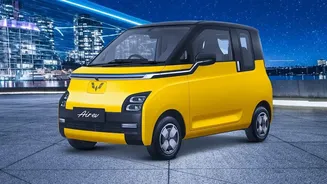
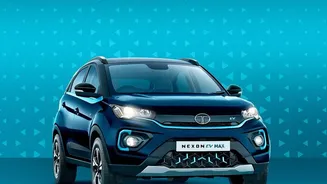
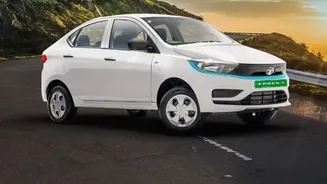
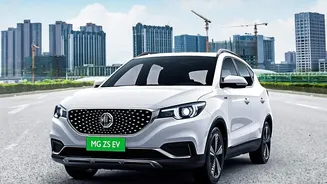
While EVs currently hold a smaller market share of around 7.6%, they represent the industry's ultimate direction. Led by the pioneering efforts of Tata Motors, which still holds a commanding but shrinking lead, the EV segment is a hotbed of competition and investment. The allure for consumers includes rock-bottom running costs and government incentives, while for manufacturers, it's about future-proofing their brand. However, the path is fraught with challenges. High initial purchase prices, a significant shortage of public charging infrastructure, and consumer anxiety about range and battery life remain major hurdles. Automakers are being forced to think beyond just the car, investing heavily in charging networks and battery supply chains to build a viable ecosystem. This makes the EV transition less of a product launch and more of a ground-up reinvention of their entire business model.
The Three-Front War for Carmakers
This trifurcated market is precisely why the current moment is so critical for automakers. They are effectively being forced to fight a war on three fronts simultaneously. They must continue to innovate in the profitable CNG space to satisfy the mass market. At the same time, they need to invest in hybrid technology as a practical, medium-term solution. And concurrently, they must pour billions into the research, development, and supply chains for EVs, the long-term-but-not-yet-profitable prize. This juggling act stretches resources thin, from engineering talent to capital investment. Every rupee spent on a new hybrid platform is a rupee not spent on a battery gigafactory. Every marketing campaign for a CNG SUV competes for attention with an EV launch. The companies that thrive will be those that can master this incredibly complex balancing act, managing a diverse portfolio of technologies without losing focus or breaking the bank.