

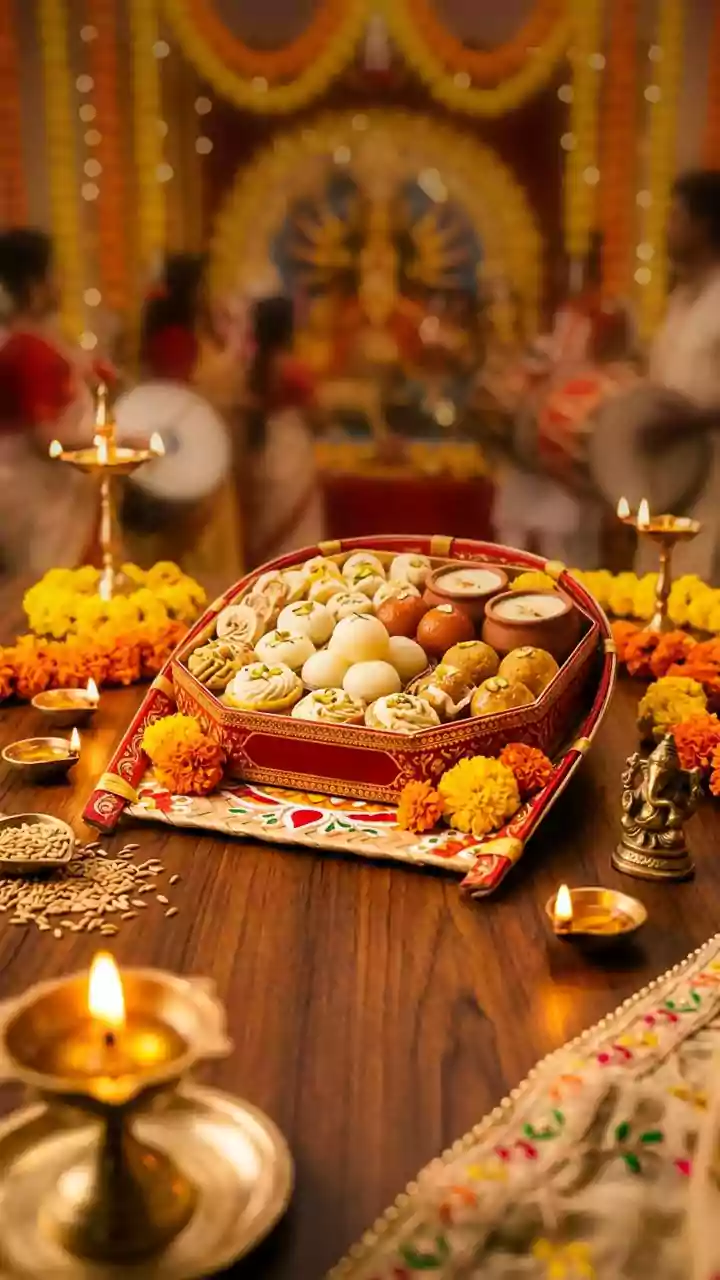
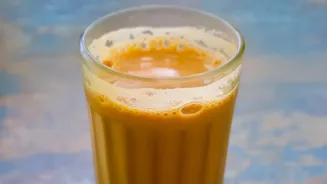
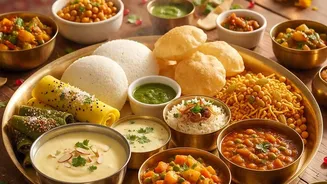
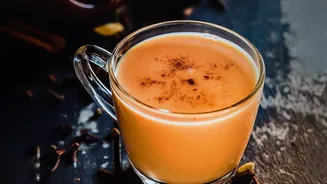
Scroll through your feed during any Indian festival, and you will find a visual feast. But beyond the vibrant outfits and decor, a quieter, more delicious trend is brewing: the stunning revival of traditional festive beverages.
From Family Tables to Viral Feeds
For generations, drinks
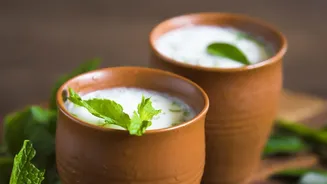
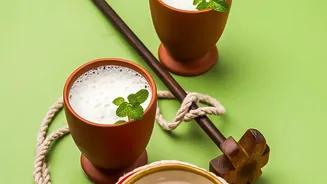
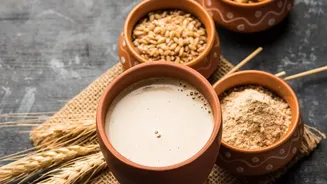
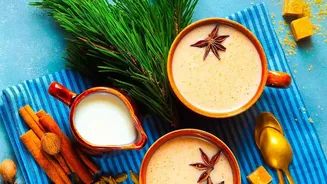
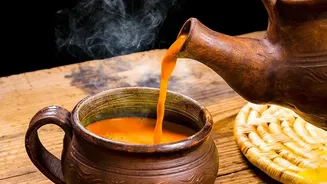
like Thandai, Lassi, and various Sharbats were central to festive celebrations in India, but often remained within the confines of home kitchens and local communities. They were cherished for their taste, cooling properties, and cultural significance. Now, these age-old recipes are finding a glamorous new life on social media platforms like Instagram and Pinterest. Food bloggers, home chefs, and a new generation of content creators are turning these humble beverages into digital superstars. What was once a simple, refreshing drink served in a steel tumbler is now a carefully styled subject, photographed in artisanal ceramics and brass glasses, ready for its close-up. This shift isn't just about presentation; it's a cultural revival, powered by the visual language of the internet.
The Visual Language of Festive Drinks
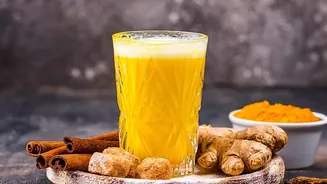
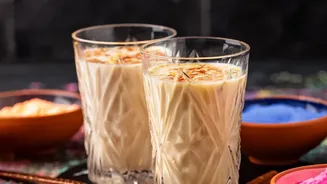
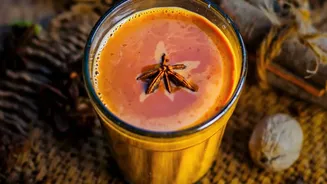
The appeal is undeniably aesthetic. Think of the rich, creamy texture of a Thandai, a milk-based cooler traditionally enjoyed during Holi, garnished with slivers of almonds, pistachios, and fragrant saffron strands. Or consider the jewel-toned beauty of a rose or khus sharbat, its vibrant colour catching the light in a tall glass. Food stylists and influencers are amplifying this natural beauty. They use traditional serviceware, such as brass or clay cups, to create a sense of authenticity and nostalgia. Garnishes have become more elaborate, with the addition of edible flowers, dried rose petals, and perfectly chopped nuts transforming each glass into a miniature work of art. The golden hue of Haldi Doodh (turmeric milk) and the tangy, dark colours of Kanji, a fermented carrot drink, provide a stunning visual contrast that is perfect for a curated social media feed.
More Than Just a Pretty Picture
While the visual appeal is the initial hook, the trend runs deeper than surface-level aesthetics. For many young Indians, both in the country and across the diaspora, recreating and sharing these drinks is a way to connect with their heritage. It is a celebration of regional diversity and culinary history, presented in a modern, accessible format. Sharing a recipe for Aam Panna (a raw mango cooler) or Sol Kadhi (a kokum and coconut milk drink) becomes an act of cultural preservation. These posts are often accompanied by stories of family traditions and childhood memories, adding a layer of personal narrative and nostalgia that resonates deeply with audiences. In a globalised world, showcasing these uniquely Indian beverages becomes a source of pride and a way to share a piece of one's identity.
The Modern Twist on Tradition
This online revival is not just about faithful replication; it's also a hotbed of innovation. Content creators are experimenting with fusion recipes, giving classic drinks a contemporary update. We are now seeing Thandai-infused cheesecakes, Jaljeera-spiked mocktails, and mango lassi popsicles flooding social media feeds. These inventive twists make traditional flavours appealing to a wider, global audience that may be unfamiliar with the original versions. Bartenders are also drawing inspiration from these trends, creating cocktails that incorporate spices like cardamom and ginger or using tamarind and kokum for a tangy kick. This evolution demonstrates that tradition is not static. Instead, it is a living, breathing entity that can adapt and thrive in new contexts, ensuring its survival for generations to come.