

Backing a New Generation of Talent
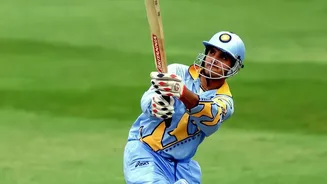
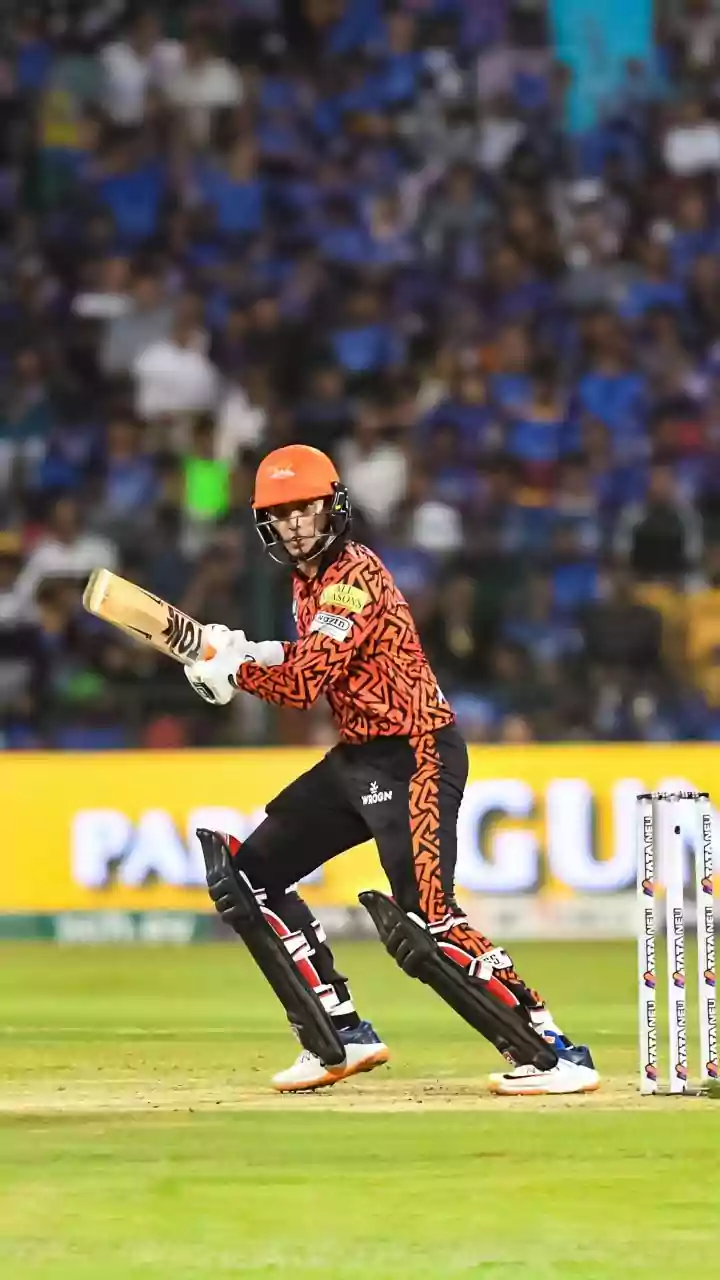
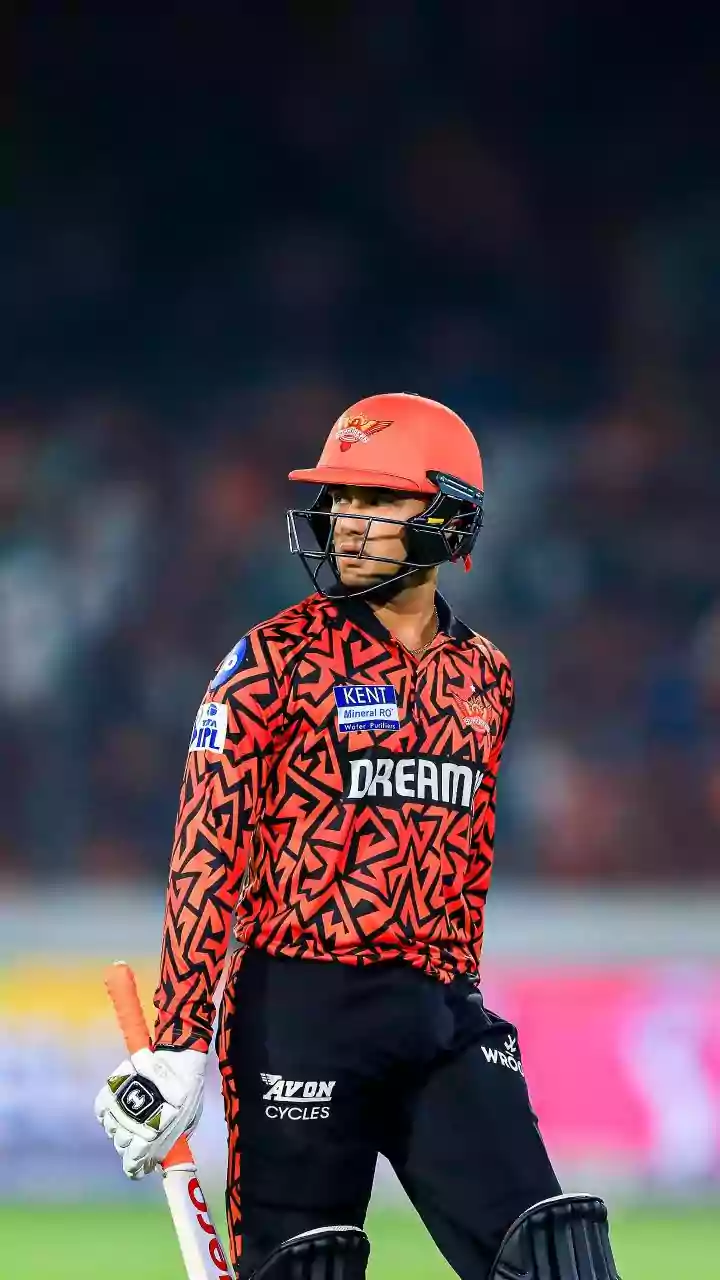
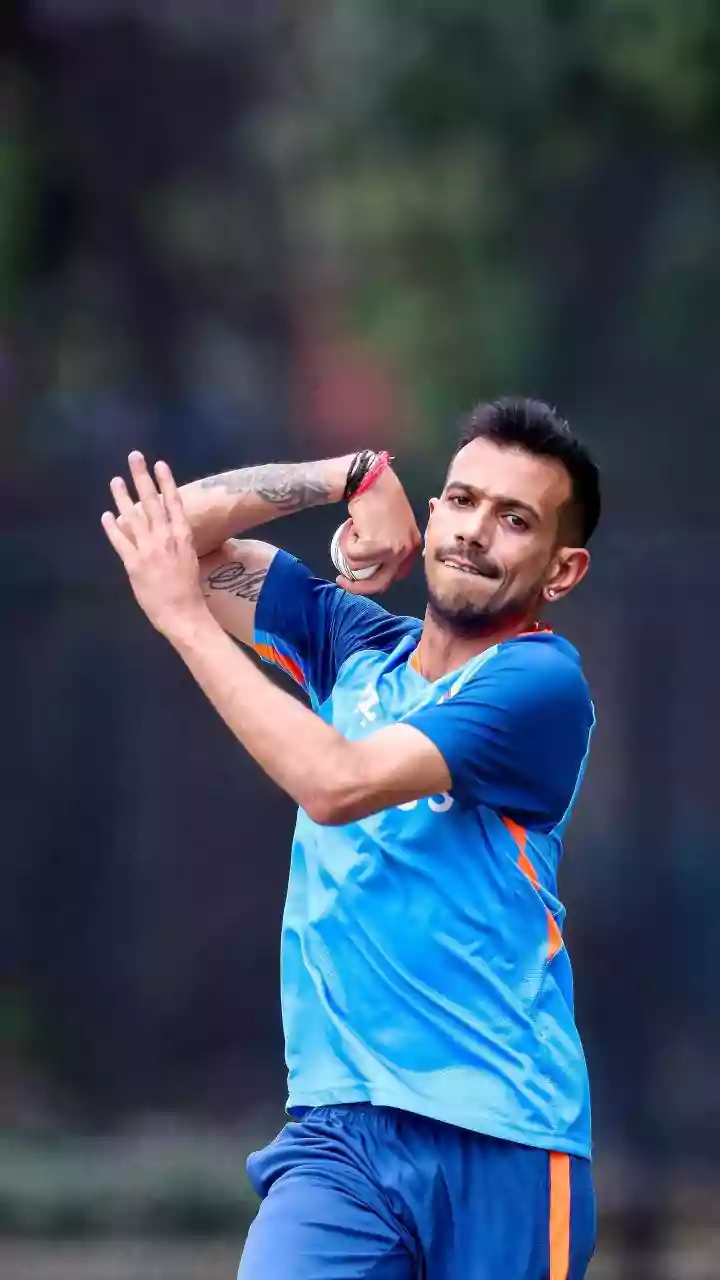
Perhaps Ganguly's most significant legacy was his unwavering faith in young players. At a time when established names were considered essential, he actively scouted and backed a new core of talent, including Virender Sehwag, Yuvraj Singh, Harbhajan Singh, and Zaheer
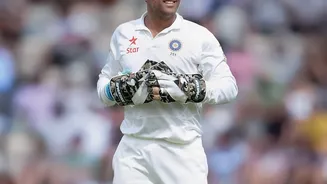
Khan. These players, often raw but full of potential, were given the security and confidence to express themselves. Ganguly's mantra was to give talented youngsters a long rope, assuring them that a few failures wouldn't result in being dropped. This policy was crucial in building the careers of several future legends, including MS Dhoni, who was persisted with despite a slow start to his international career. This group of players went on to form the nucleus of the Indian team that won major tournaments for the next decade.
Hiring India's First Foreign Coach
The appointment of New Zealander John Wright as India's head coach in 2000 was a pivotal moment. It was a departure from tradition, and the captain-coach partnership became the bedrock of India's revival. Ganguly and Wright formed a formidable duo, sharing a vision to make the team more professional and competitive, especially abroad. Wright introduced new training methods and a disciplined approach, while Ganguly managed the strong personalities in the dressing room. Ganguly has often referred to Wright as his "favourite coach," emphasising their relationship was more like a friendship. This partnership was instrumental in guiding India to a historic Test series win against Australia in 2001, victory in the NatWest Series in 2002, and the final of the 2003 World Cup.
Unleashing Sehwag as a Test Opener
Virender Sehwag began his career as a hard-hitting middle-order batsman. However, with India's middle order packed with legends like Sachin Tendulkar, Rahul Dravid, and VVS Laxman, finding a permanent spot was difficult. It was Ganguly who saw the game-changing potential of using Sehwag's aggressive style at the top of the order in Test cricket. He famously convinced a reluctant Sehwag to take on the role, assuring him of a secure run of games even if he failed initially. The move was a masterstroke. Sehwag revolutionised the role of a Test opener, scoring quickly and putting opposition bowlers under pressure from the very start, a tactic that paid huge dividends for India.
Instilling a Fearless, Aggressive Attitude
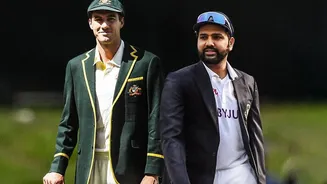
Before Ganguly, the Indian team was often perceived as talented but passive, especially when playing overseas. Ganguly was determined to change this mindset. He led from the front, encouraging his team to play aggressive, 'in-your-face' cricket and not be intimidated by any opposition. This new attitude was famously symbolised by his decision to make Australian captain Steve Waugh wait for the toss and, most iconically, when he waved his shirt from the Lord's balcony after winning the 2002 NatWest Trophy final. These acts were more than just gestures; they sent a clear message that India was no longer a team that would be pushed around. This 'Dada-giri' helped forge a resilient unit that started winning consistently away from home.
Asking Dravid to Keep Wickets in ODIs
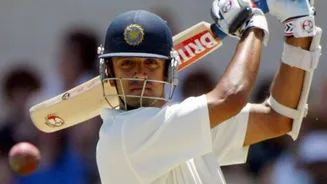
One of Ganguly's most effective tactical decisions was convincing Rahul Dravid, a specialist batsman, to take up wicket-keeping duties in One-Day Internationals. This was not an easy ask of a senior player, but it was crucial for the team's balance. By having Dravid as the keeper, India could afford to play an extra specialist batsman or bowler, giving the side immense flexibility. This strategic move allowed India to field a deeper and more balanced batting line-up, which was a key factor in their run to the 2003 World Cup final. It showed Ganguly's ability to make tough, pragmatic choices for the greater good of the team, even if it meant asking one of his best players to step far out of his comfort zone.