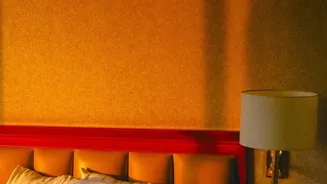








The Rise of 'Room Rotting'
The term ‘room rotting’ has exploded on social media, describing the act of intentionally spending long, passive hours in bed. It’s not about sleeping, but about disengaging from the pressures of daily life by binge-watching shows, scrolling through feeds,
and snacking under the covers. To its proponents, it is a radical act of self-care and a rebellion against toxic productivity culture. Psychologists see it as a complex response to widespread burnout, stress, and overstimulation, particularly among young adults. While occasional, intentional rest can be restorative, experts caution that habitual 'rotting' can become a form of avoidance, potentially amplifying anxiety or depression. The trend, however, speaks volumes about a generation exhausted by the demand to be constantly 'on' and performing.
From Burnout Culture to Vacation Burnout
The same pressure that fuels the need to 'rot' at home has long dominated our holidays. For decades, the ideal vacation was defined by a packed itinerary and a checklist of landmarks. This 'checklist tourism' involves rushing between sights, optimising every moment, and capturing proof of the experience for social media. The result is often not rest, but a different kind of exhaustion. Travellers return home feeling like they need a vacation from their vacation. This pressure to perform, to see everything and document it perfectly, has led to travel burnout. Gen Z, in particular, is rejecting this model, seeking travel that feels authentic and restorative rather than staged and stressful. They are trading the curated perfection of influencer grids for genuine connection and emotional resonance.
The Un-Tourist and the 'Nothing-Cation'
The antidote to the holiday checklist is ‘slow travel’. This approach favours longer stays in a single location, deeper cultural immersion, and a focus on quality of experience over quantity of sights. Instead of racing through ten landmarks in two days, a slow traveller might spend a week shopping at local markets, relying on public transport, and settling into the rhythm of daily life. This mindset gives rise to the 'nothing-cation'—a holiday where the primary goal is to relax without a rigid agenda. It’s the travel equivalent of room rotting: permission to do nothing. This shift is also driven by a growing awareness of overtourism, which has strained local communities and environments in popular hotspots. Younger travellers are increasingly choosing lesser-known destinations and sustainable practices, prioritising positive impact over ticking off a famous location.
Redefining What It Means to Get Away
The move away from checklist holidays is about more than just changing itineraries; it’s about changing the purpose of travel itself. Where it was once a way to collect experiences and project an image of being 'well-travelled', it is now becoming a tool for genuine mental and emotional recovery. The new travel currency isn't the number of passport stamps, but the feeling of being truly restored. This aligns with the core impulse behind room rotting: a desperate need to decompress in a world that rarely pauses. Travel companies are taking note, with data showing a rising interest in farm stays, rural getaways, and wellness-focused trips that promise peace over pace. The desire is for immersion, not just observation; for connection, not just content.