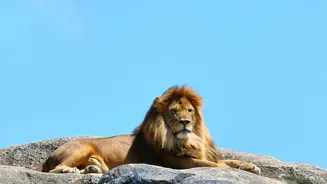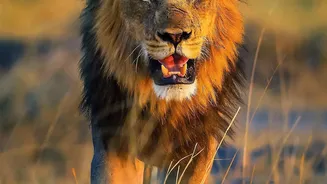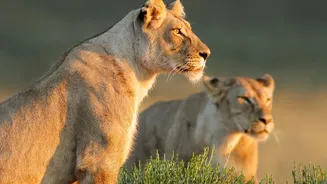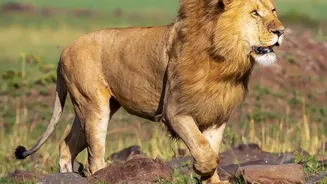




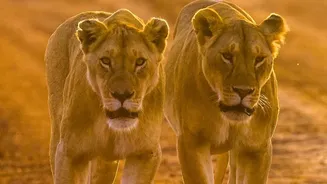
A New Home for an Old King
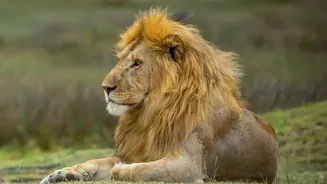
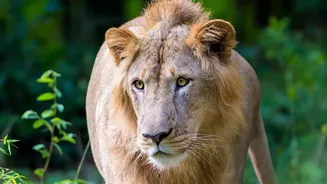
For decades, the entire wild population of the world’s Asiatic lions was confined to Gir National Park and its surrounding landscape. This put the majestic species in a precarious position; a single disease outbreak could be catastrophic. To mitigate
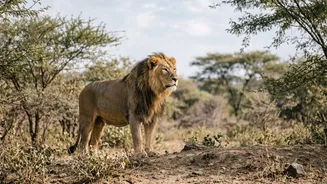
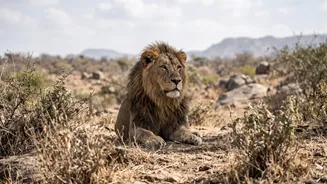
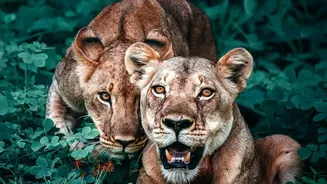
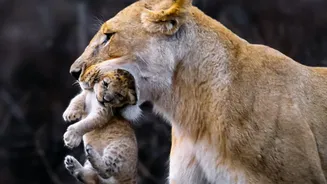
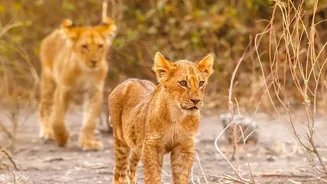
this risk, 'Project Lion' identified the Barda Wildlife Sanctuary, about 100 kilometres from Gir, as a potential second home. The process began with the natural dispersal of a male lion into Barda in January 2023, followed by the planned introduction of five females by the Gujarat Forest Department. As of late 2026, this fledgling population has grown to 17 individuals, including several cubs, marking a milestone in Indian conservation.
What the Initial Research Reveals
To understand how these lions are adapting, researchers conducted a study published in the journal 'PLOS One', fitting six lions—the original male and five females—with GPS radio collars. The study, which ran from January 2023 to July 2025, tracked their movements, social structures, and diet. The data showed the lions establishing home ranges of around 70 square kilometres and preferring mixed forests and grasslands. It also offered a glimpse into their diet; scat analysis revealed they are primarily hunting wild pigs, which are abundant, and occasionally domestic cattle. These findings suggest Barda has the potential to support a lion population long-term, but the study's own authors acknowledge its limitations.
The Challenge of a Small Sample Size
The Barda study involved just six lions. In wildlife science, this is a very small sample size. Drawing broad conclusions from such a small group is risky because their behaviour might not be representative of a larger, more established population. A few individuals might have unique habits or preferences that skew the results. For example, the hunting patterns of these six pioneers might be a temporary adaptation to the currently available prey, like wild boar, rather than a long-term dietary preference. Studies with small sample sizes can also produce inconclusive or inflated results, making it difficult to distinguish a real pattern from random chance. This is why scientists are cautious about declaring definitive findings from initial, small-scale observations.
Context is Everything: Pioneers in a New Land
The behaviour of the Barda lions cannot be understood in a vacuum. These animals are settlers in a new and unfamiliar territory. Their actions are likely driven by exploration, adaptation, and the specific environmental conditions of Barda, which differ from Gir. Their current reliance on wild pigs, for instance, is higher than in Gir, where a wider variety of prey like sambar and spotted deer is available. The forest department is already working to augment the prey base in Barda by translocating hundreds of deer to support the growing lion population. The behaviour observed in this short-term study is just a snapshot of a population in transition. As the lions become more established and the ecosystem adjusts, their social dynamics and hunting strategies will likely evolve.
A First Step, Not the Final Word
Despite its limitations, the study is an invaluable first step. Pilot studies like this are crucial in conservation for providing baseline data. The findings confirm that lions are using the habitat and are able to survive, which justifies the enormous effort of the translocation project. The research provides essential information for wildlife managers, guiding immediate priorities like prey augmentation and mitigating human-wildlife conflict. It sets the stage for future, long-term research that will track the population as it grows and becomes more complex. This initial paper isn't the definitive book on Barda's lions; it's the opening chapter.