



The Quintessential Classic: Chawal ki Kheer
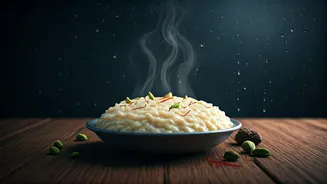
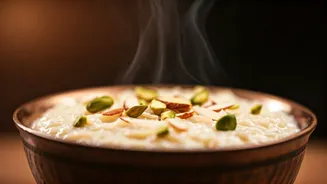
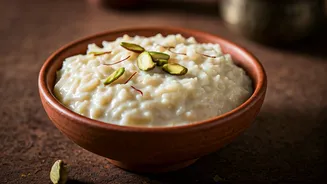
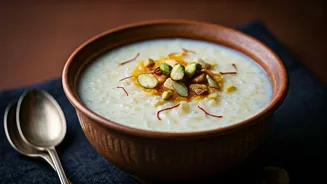
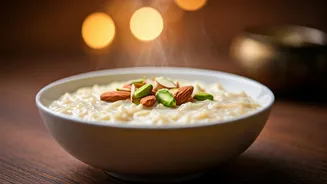
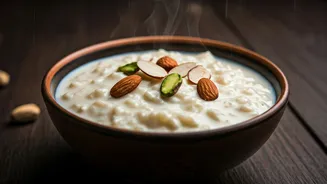
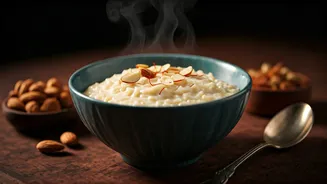
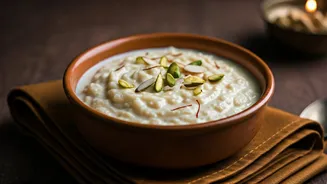
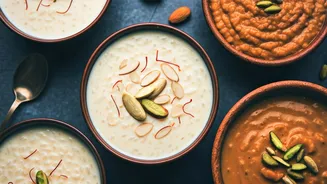
This is the kheer that often comes to mind first—a slow-cooked wonder made with rice and milk. The magic of Chawal ki Kheer lies in its patience. As the milk simmers on low heat, it thickens and reduces, while the rice grains become incredibly soft, releasing
their starch to create a naturally creamy texture. The key is to use a starchy, aromatic rice like Basmati and full-fat milk for the richest flavour. While it simmers, the mixture needs frequent stirring to prevent it from sticking to the bottom of the pan. The process takes time, often 40-50 minutes, but the result is a lusciously thick pudding, fragrant with cardamom and saffron, and studded with your favourite nuts. For an even creamier consistency, you can gently mash some of the rice grains with the back of a ladle as it cooks.
The Quick Comfort: Seviyan Kheer
When you crave the comfort of kheer without the long wait, Seviyan Kheer is the answer. Made with vermicelli, this version comes together much more quickly because the fine strands cook in a fraction of the time rice does. The process typically starts by roasting the vermicelli in a little ghee until it turns golden brown and releases a nutty aroma. This step is crucial for flavour. Then, the roasted seviyan is added to boiling milk and cooked until soft. From there, it's a matter of adding sugar, cardamom, and nuts like almonds and pistachios. The kheer will thicken as it cools, so it's best to take it off the heat when it's still slightly more liquid than your desired final consistency. It's a satisfyingly simple dessert that delivers warmth and flavour in under 30 minutes.
The Pearly Delight: Sabudana Kheer
Sabudana Kheer, made with tapioca pearls, offers a uniquely delightful texture. The small, white pearls turn translucent and wonderfully soft when cooked, creating a pudding that’s both light and satisfying. Often prepared during fasting periods like Navratri, its appeal is universal. To avoid a starchy or sticky result, it's a good idea to rinse the sabudana pearls thoroughly before soaking them for a short period. The pearls are then cooked in milk on a low flame until they become transparent and float to the top, which indicates they are cooked through. Sweetened with sugar and flavoured with cardamom and saffron, this kheer is studded with chopped nuts, providing a lovely textural contrast to the soft tapioca pearls.
A Creamier Cousin: Phirni
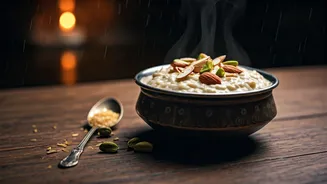
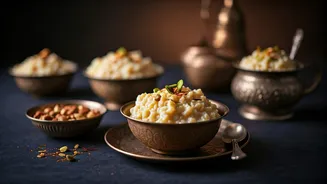
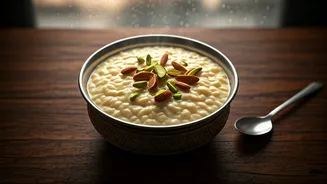
While technically a different dessert, Phirni is a close and beloved relative of kheer that deserves a mention. The primary difference lies in the rice: while kheer uses whole rice grains, phirni is made with coarsely ground rice. This simple change results in a much smoother, creamier, and custard-like texture. Because the rice is ground, phirni also cooks faster than traditional chawal ki kheer. Traditionally, phirni is set and served chilled in small earthen bowls called 'matkas,' which impart a subtle earthy aroma to the dessert. Garnished with slivered pistachios and sometimes a delicate silver leaf (varakh), it’s a sophisticated and incredibly delicious alternative for a rainy day indulgence.