






More Than Just Roughage
For years, fibre was simply known as the stuff that keeps you regular. While that’s true, its benefits are far more profound. Dietary fibre is a type of carbohydrate the body can’t digest. [15] It passes through your system largely intact, playing a crucial
role in everything from blood sugar control to gut health. [20, 7] Experts recommend that Indian adults consume about 25 to 30 grams of fibre daily, but studies show many of us, especially in urban areas, are only getting about half of that. [6, 2] This deficit is linked to a rise in lifestyle issues. The renewed focus on fibre isn’t a fleeting trend; it’s a return to the wisdom of traditional diets that prioritized whole grains, millets, and legumes over the refined foods that have come to dominate our plates. [2, 8]
The Morning Advantage
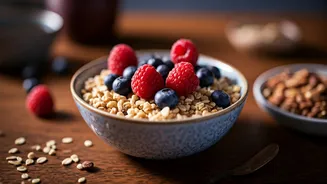
Starting your day with fibre is a strategic move for all-day wellness. Your digestive system is most active in the morning, and eating a fibre-rich breakfast helps kickstart this natural rhythm. [13, 23] One of the biggest benefits is sustained energy. Unlike sugary cereals or refined-flour pastries that cause a quick spike and crash in blood sugar, fibre slows down the absorption of sugar. [14, 11] This leads to a gradual release of energy, keeping you focused and preventing that dreaded mid-morning slump. [3] Furthermore, high-fibre foods tend to be more filling, which helps you feel satisfied for longer and can prevent overeating later in the day, aiding in weight management. [7, 20] It’s a simple switch that sets a stable, energetic tone for the hours ahead.
Fueling Your Gut’s Ecosystem
Think of your gut as a thriving garden of trillions of microorganisms. Fibre is the superfood for this internal ecosystem. [22, 24] Specifically, certain types of fibre act as prebiotics, feeding the beneficial bacteria in your gut. [22] When these good bacteria are well-fed, they produce compounds like short-chain fatty acids, which strengthen the gut wall, reduce inflammation, and even influence your mood by supporting serotonin production. [13, 14] A healthy gut microbiome is linked to a stronger immune system, better heart health, and a lower risk of several chronic diseases. [5, 22] So, that bowl of dalia or ragi dosa isn't just filling your stomach; it's nurturing the very foundation of your overall health.
Easy High-Fibre Indian Breakfasts
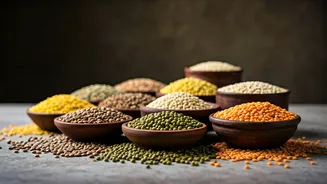
You don't need exotic ingredients to pack more fibre into your morning. The Indian kitchen is already full of fantastic options. Millets like ragi and jowar are making a comeback and are excellent choices for dosas, idlis, or porridge. [4, 8] Instead of regular upma, try making it with steel-cut oats, dalia (broken wheat), or quinoa for a significant fibre boost. [8] Lentil-based pancakes like moong dal chilla or besan chilla are packed with both fibre and protein. [4, 9] Even a simple bowl of poha can be enhanced by adding plenty of vegetables, peas, and a sprinkle of roasted peanuts or flaxseeds. [4, 8] Other great choices include sprouted moong salad, whole wheat parathas stuffed with vegetables like methi or mooli, or brown rice idlis. [4, 8]
Smart Swaps and Starting Slow
Adopting a high-fibre habit is about making small, sustainable changes. If you currently eat white bread, switch to whole-wheat or multigrain toast. [21] Add a tablespoon of chia seeds or flaxseeds to your yoghurt, smoothie, or oatmeal. [4] Always try to include a side of fruit with your breakfast, like a banana, apple, or papaya, and eat the skin when possible. [2] If you're new to a high-fibre diet, it's crucial to increase your intake gradually. A sudden jump can lead to bloating or gas as your digestive system adjusts. [18] Equally important is to drink plenty of water throughout the day. Fibre works best when it absorbs water, which helps soften stool and aids smooth digestion. [18, 21]