







E20 vs. Flex-Fuel: Decoding the Buzzwords
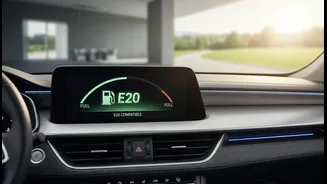
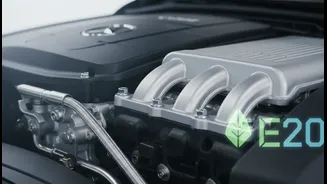
Let's clear up the confusion. E20 petrol is a blend of 20% ethanol and 80% petrol. As of 2026, this is now the standard fuel available across India. Consequently, most new cars sold since 2023 are 'E20-compatible', meaning their engines and fuel systems
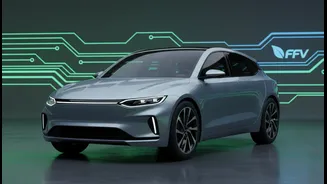
are designed to run on this blend without issues. Think of 'E20-compatible' as the new baseline for any petrol car. Flex-fuel vehicles (FFVs) are the next step up. These are cars with specially engineered engines that can run on a wide range of ethanol blends, from standard petrol all the way up to E85 (85% ethanol) or even E100 (pure ethanol). An FFV gives you the flexibility to use higher ethanol blends as they become more available, which isn't possible with a standard E20-compatible car.
The Big Picture: Why is This Happening Now?
The transition to ethanol-blended fuel is driven by a nationwide strategy with three main goals. First, it aims to reduce India's heavy dependence on imported crude oil, which can save the country billions in foreign exchange and increase its energy security. Second, it supports India's agricultural sector. Ethanol is primarily produced from sugarcane and other grains, creating a massive new market for farmers and boosting rural incomes. Third, it's a move towards cleaner air. Ethanol burns more completely than petrol, which helps reduce harmful tailpipe emissions like carbon monoxide. The government has aggressively pushed this transition, achieving the E20 nationwide rollout target years ahead of the original 2030 schedule.
The Appeal for Urban Youth: Cost, Conscience, and Cool Factor
For young buyers, this new fuel landscape presents a compelling mix of practical and principled advantages. The most immediate attraction is the potential for cost savings. Ethanol is generally cheaper to produce than petrol, and as higher blends like E85 become available, they are being sold at a significantly lower price per litre. For someone managing city living costs, lower fuel expenses are a major draw. Beyond the wallet, there's the environmental angle. Many younger buyers are more eco-conscious, and choosing a vehicle that produces lower emissions is a tangible way to make a greener choice. Finally, there's the element of being future-proof. Buying an E20-compatible car today is a safe bet, but opting for a flex-fuel vehicle is seen as a forward-thinking move, ensuring your car won't be left behind as India's fuel infrastructure continues to evolve towards even higher ethanol blends.
A Reality Check: Performance, Mileage, and Availability
While the benefits are clear, it's important to be aware of the trade-offs. The most debated topic is mileage. Ethanol has a lower energy density than petrol, which means a vehicle might consume slightly more fuel to cover the same distance. Studies and manufacturers estimate a fuel efficiency drop of around 3-8% for E20 fuel compared to older E10 blends, though modern E20-compliant engines are optimized to minimize this loss. For non-compliant older cars, the impact can be more noticeable, along with concerns about potential long-term wear on fuel system components. While E20 is now standard, the availability of higher blends like E85 is still in its infancy, with pumps limited to major cities. Similarly, the number of mass-market flex-fuel cars, while growing, is still small compared to conventional petrol models.