




Your Pre-emptive Defence: The Vehicle Check
Before you even turn the key on a rainy evening, your car's condition is your first line of defence. Start with the essentials that are most stressed during the monsoon. Your tyres are your only contact with the slick road surface; ensure they have adequate
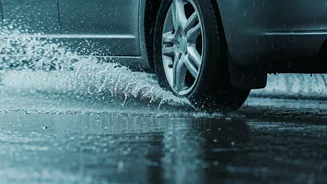
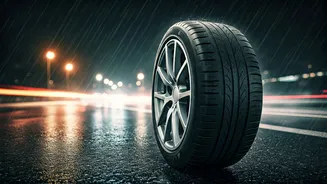
tread depth to channel water away and prevent skidding. [2, 9, 17] Underinflated tyres increase the risk of hydroplaning, so maintain the correct pressure. [8, 17] Next, inspect your wiper blades. If they leave streaks or make noise, replace them immediately for a clear view. [2, 18] Equally important are your lights. Check that headlights, taillights, and indicators are all working perfectly. [9, 15] Clean lenses ensure you can see and, just as crucially, be seen by others in downpours. [17] Finally, have your brakes inspected. Wet conditions increase stopping distances, and you want your braking system at peak performance. [15, 24]
The Art of Seeing and Being Seen
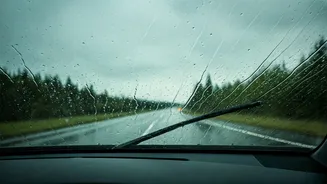
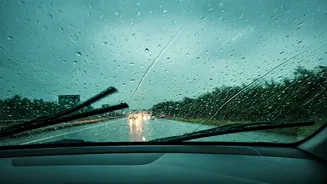
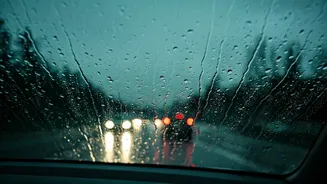
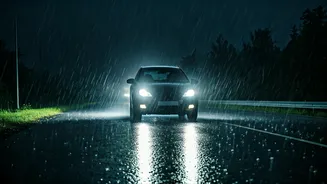
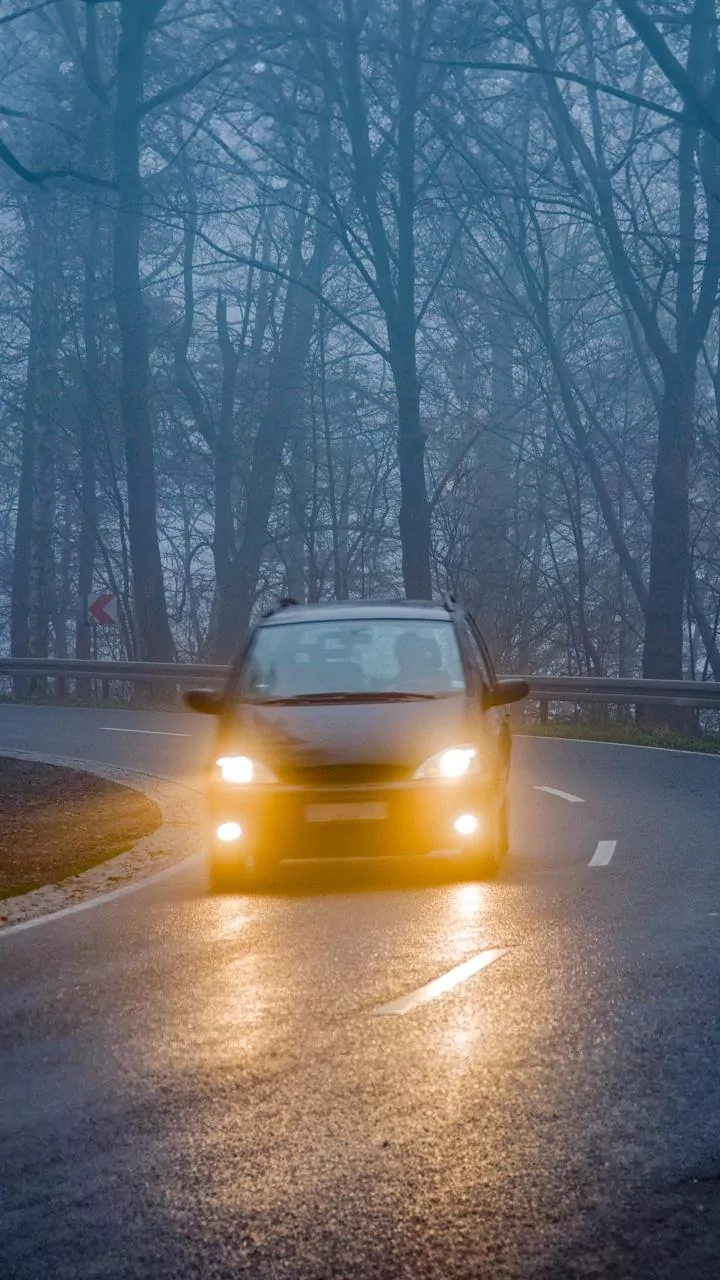
At night, visibility is already compromised. Add a torrential downpour, and you're driving in a grey, reflective haze. The golden rule is to turn your headlights on, even during the day in heavy rain, to make your vehicle more visible to others. [18, 26] However, resist the urge to use high beams. The light will reflect off the raindrops, creating glare and reducing your visibility further; stick to low beams. [5, 13] Use your air conditioner and defogger to keep the windshield and windows from fogging up on the inside due to high humidity. [13, 15] Keeping a safe distance from the vehicle in front is more critical than ever. The spray from a large truck or bus can momentarily blind you. [8] This extra space also gives you more time to react to sudden stops. [18, 19]
Mastering the Treacherous Surface
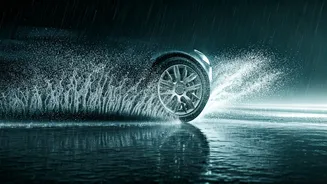
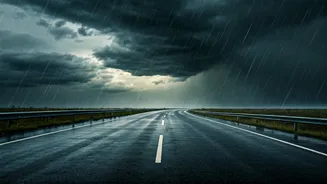
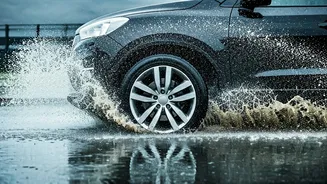
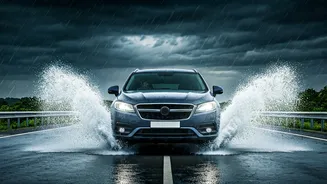
Wet roads are notoriously slippery, and the risk of hydroplaning—where your tyres lose contact with the road and skim over a layer of water—is high. [3, 4] The single most effective way to prevent this is to slow down. [7, 26] Reducing your speed gives the tyre treads time to disperse water and maintain grip. Avoid sudden manoeuvres like sharp turns or abrupt braking, which can easily lead to a skid. [13, 17] If you feel the car starting to hydroplane, do not slam on the brakes. [11] Instead, ease your foot off the accelerator and steer gently in the direction the car is sliding until you feel the tyres regain traction. [12, 13] Braking should be gradual and gentle. If you don't have anti-lock brakes (ABS), pump the pedal lightly. [5] After passing through a puddle, tap your brakes lightly to help dry them off. [3, 14]
The Hidden Dangers of Waterlogging
Waterlogged roads are a common sight in Indian monsoons and are extremely dangerous at night. What looks like a shallow puddle could be a deep pothole capable of damaging your vehicle. [10, 13] It's almost impossible to judge the depth of standing water in the dark. [14] As a rule, if you cannot see the road surface beneath the water, do not attempt to drive through it. [14, 23] Just a few inches of flowing water can be enough to make a car lose control, and two feet can sweep away even large vehicles. [10, 20] Driving through deep water risks stalling your engine as water enters the air intake or causing catastrophic electrical failure. [14, 23] If you must proceed through a shallow, known stretch of water, do so slowly and steadily to avoid creating a large bow wave. [14]
Your Monsoon Emergency Kit
Preparation extends to being ready for a breakdown. Traffic snarls are common in the rain, so always ensure you have enough fuel. [25] A well-stocked emergency kit can be a lifesaver. This should include a powerful torch with extra batteries, a portable phone charger or power bank, and a basic first-aid kit. [29, 30] A reflective warning triangle is essential to alert other drivers if you are stranded. [21, 28] Jumper cables for a dead battery, a tow rope, and a tyre repair kit can help you handle common issues without waiting for roadside assistance. [21, 27] Also, keeping a towel and an umbrella in the car is a simple but effective way to stay dry if you need to step out. [25]