
The Monsoon Digestive Slowdown
According to Ayurveda, the ancient Indian system of medicine, the monsoon or 'Varsha Ritu' is a time when our digestive fire, known as 'Agni', naturally weakens. The increased humidity and dampness in the environment are believed to throw the body's 'doshas'
(elemental energies) out of balance, particularly aggravating the 'Vata' dosha. This can lead to a sluggish metabolism and a host of digestive issues like bloating, gas, acidity, and indigestion. Modern science also recognizes that the season can stress the digestive system due to a higher risk of food and water contamination, as bacteria and germs thrive in damp weather. This combination of factors makes it crucial to pay extra attention to what we eat and how we support our gut during these rainy months.
The Science of Fermentation: Your Gut's Best Friend
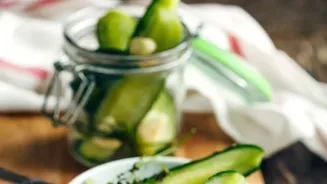
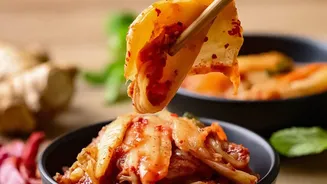
This is where certain traditional pickles come in. The magic lies not in the pickle itself, but in how it's made. The key process is lacto-fermentation. When vegetables or fruits are submerged in a salt-water brine without vinegar, naturally present beneficial bacteria, primarily from the Lactobacillus genus, begin to multiply. These tiny microorganisms feed on the sugars in the food, converting them into lactic acid. This lactic acid acts as a natural preservative, preventing the growth of harmful bacteria while creating a food that is rich in live, beneficial microbes known as probiotics.
Probiotics: The Power Within the Pickle
Probiotics are often called "good" or "friendly" bacteria because they provide numerous health benefits when consumed in adequate amounts. These live microorganisms help restore and maintain a healthy balance in our gut microbiome, the complex ecosystem of trillions of microbes in our digestive tract. A balanced gut microbiome is essential for smooth digestion, efficient nutrient absorption, and a strong immune system. Probiotics aid in breaking down food, can help alleviate common digestive complaints like bloating and gas, and strengthen the gut's natural defences. By introducing these beneficial bacteria, fermented foods can actively support the digestive system when it's under seasonal stress.
Not All Pickles Are Created Equal
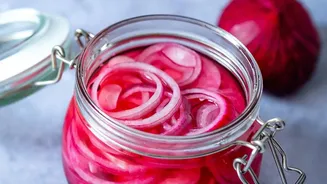
It is crucial to understand that not every jar of achaar on the shelf is a probiotic powerhouse. The distinction comes down to preparation. Most commercially produced pickles today use vinegar as the primary preservative. The acetic acid in vinegar creates a sterile environment that prevents spoilage quickly and efficiently, but it also halts the natural fermentation process and does not allow for the growth of live probiotics. Furthermore, many commercial pickles are pasteurised or heat-treated to extend shelf life, a process that destroys any beneficial live bacteria that might have been present. Therefore, to get the probiotic benefits, you need pickles that are naturally fermented in a salt brine and are unpasteurised.
Choosing Your Probiotic Achaar
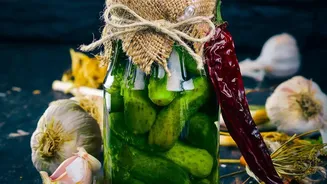
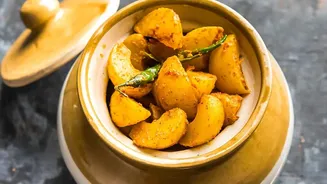
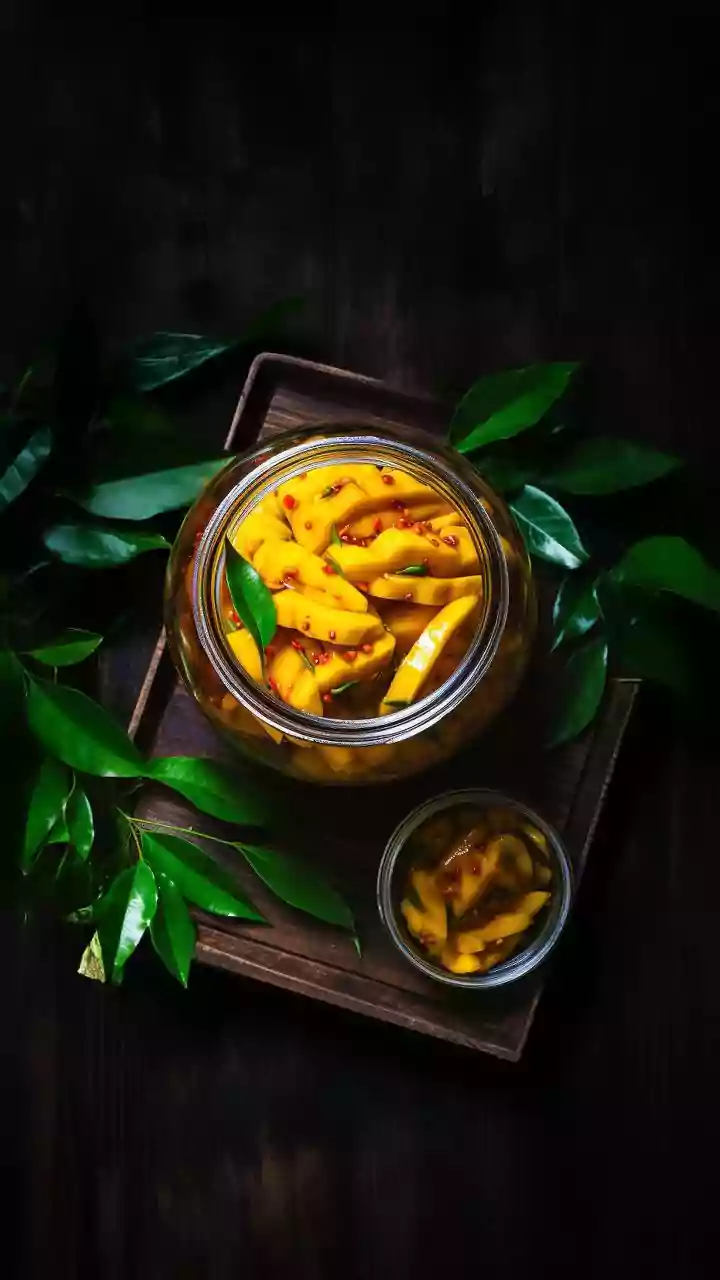
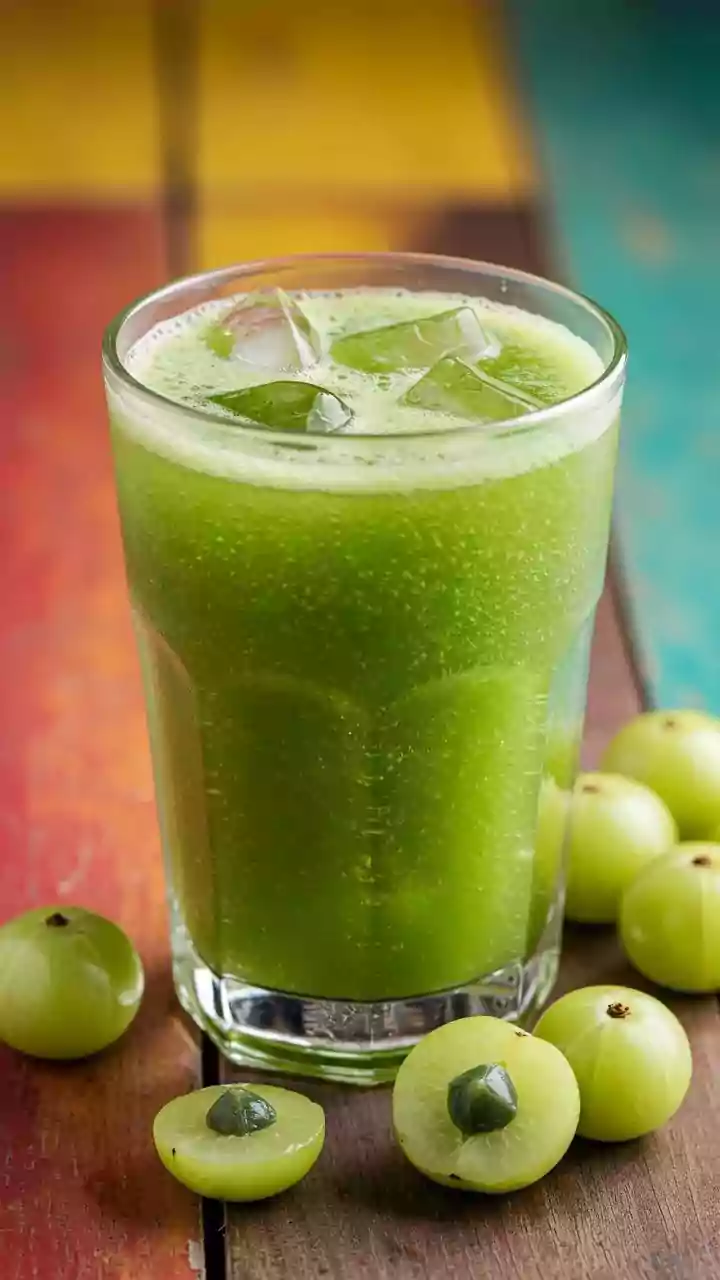
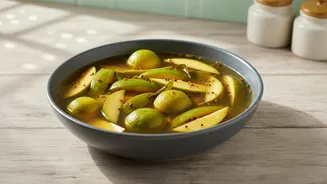
The best sources of probiotic pickles are often those made at home using traditional, generational recipes that rely on salt and time. Many classic Indian preparations, such as some versions of mango, lemon, amla (gooseberry), and chilli pickles, are traditionally made through lacto-fermentation. When buying pickles, look for labels that say "naturally fermented," "raw," or "contains live cultures." These pickles will typically be found in the refrigerated section of a store, as refrigeration slows down the fermentation process and keeps the live cultures viable. If a pickle is shelf-stable at room temperature and lists vinegar high on its ingredient list, it is unlikely to offer probiotic benefits. Mindful consumption is also key; due to their high salt content, a small spoonful with your meal is usually enough to reap the rewards without overdoing the sodium.