



The Rise of Multi-Functional Marvels
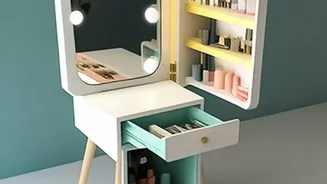
The era of single-purpose furniture is fading. In 2026, the most sought-after pieces are transformers. Think of a coffee table that lifts and expands into a dining table, or a sleek ottoman that opens up to reveal ample storage for cushions and magazines.
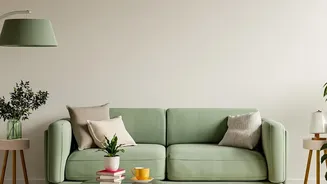
These multi-functional marvels are at the heart of modern Indian living, where a living room might double as a home office by day and a guest room by night. A sofa-cum-bed, for instance, is no longer a lumpy compromise but a stylish centerpiece that offers genuine comfort and utility, making it perfect for studio apartments. The goal is to own fewer pieces that do more, reducing clutter and freeing up valuable floor space.
Thinking Vertically, Not Horizontally
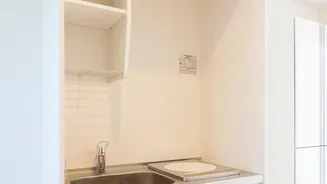
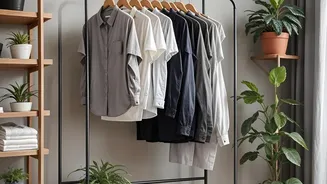
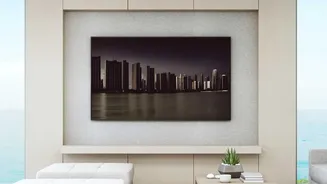
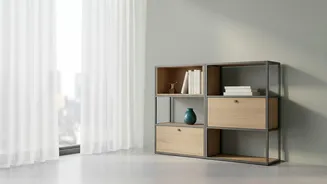
When you can't build out, you build up. This principle is driving a major trend in modular storage. Instead of bulky, floor-heavy cabinets, designers are championing wall-mounted shelves, floating media consoles, and floor-to-ceiling bookcases. These solutions draw the eye upward, creating an illusion of height and openness. Modular shelving systems are particularly popular because they can be configured to fit any nook or cranny, turning awkward corners into functional storage. In the bedroom, this means opting for sliding wardrobes over those with swing doors that eat into a room's clearance space, or choosing beds with hydraulic lifts to access the vast, unused space underneath.
The Power of Visual Lightness
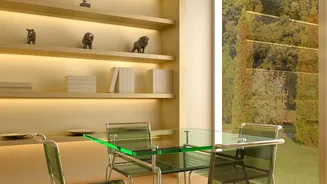
How a room feels is as important as its physical dimensions. Modular furniture often embraces a minimalist aesthetic that contributes to a sense of spaciousness. Furniture with raised legs, for example, allows you to see more of the floor, which tricks the eye into perceiving a larger area. Another clever tactic is using transparent materials like acrylic. A clear coffee table or side table serves its function without adding visual weight, allowing light and sightlines to pass through it. Similarly, modular systems without back panels can divide a space for different functions without blocking light, maintaining an open, airy feel. These design choices are not just stylistic; they are psychological tools for creating a more comfortable living environment.
Customisation is King
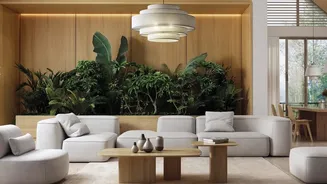
The one-size-fits-all approach doesn't work for the diverse layouts of Indian homes. The beauty of modular design is its inherent flexibility and potential for personalisation. Homeowners can mix and match modules, materials, and finishes to create a system that perfectly fits their space and reflects their personal style. Whether it's a kitchen with custom pull-out racks for narrow spaces or a sectional sofa that can be rearranged for guests, modular furniture adapts to your needs, not the other way around. This adaptability is not only practical but also cost-effective in the long run, as you can add, subtract, or reconfigure pieces as your life changes, without needing to buy a whole new set.
Sustainability Meets Smart Design
The conversation around furniture in 2026 isn't just about space; it's also about sustainability. There is a growing demand for modular pieces made from eco-friendly materials like reclaimed wood, bamboo, and rattan. These materials not only reduce the environmental footprint but also bring natural textures and warm, earthy tones into the home, a trend that is gaining massive popularity. Brands are increasingly using low-VOC (volatile organic compound) finishes, making homes healthier. This shift shows that smart, space-saving design can go hand-in-hand with conscious consumerism, allowing homeowners to create a space that is good for them and the planet.