





More Than a Fruit, a 'Tree of Life'
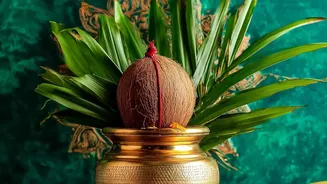
In the Andaman and Nicobar Islands, the coconut palm is not just a plant; it is revered as 'Kalpavriksha', the mythological tree that grants all wishes. This deep-rooted cultural significance is the primary reason for its celebration. For generations,
the coconut has been woven into the fabric of daily life, tradition, and folklore, particularly for indigenous communities like the Nicobarese. It is present in religious ceremonies, social practices, and the very identity of the islanders. By placing the coconut at the heart of the carnival, the tourism board isn't just promoting a crop; it's inviting visitors to connect with the soul of the islands and a heritage that has sustained its people for centuries.
The Islands' Economic Backbone
Beyond its cultural weight, the coconut is a powerful economic engine for the region. It is the predominant plantation crop, forming the backbone of the islands' agriculture and providing a livelihood for a vast number of families, from farmers to artisans. The recent Geographical Indication (GI) tag for products like the 'Nicobari Coconut' underscores its unique quality and importance. The carnival serves as a crucial platform for economic empowerment, especially for women-led Self-Help Groups (SHGs) who are trained to produce and market value-added products. Items like Virgin Coconut Oil, coir handicrafts, and decorative shell items are showcased, creating a direct link between local producers and a wider market, and turning heritage into a sustainable source of income.
A Celebration of Island Cuisine
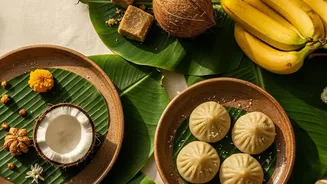
For any traveller, food is a gateway to culture, and in the Andamans, that gateway is paved with coconut. The fruit is a cornerstone of local cuisine, used generously in everything from rich curries to refreshing desserts. The carnival becomes a vibrant food festival, where visitors can savour the authentic tastes of the islands. Signature dishes like coconut fish curry, prawn curry made with creamy coconut milk, and fragrant coconut rice are staples that tell the story of the islands' culinary landscape. Events often include cooking competitions and tasting zones, allowing tourists to experience the versatility of coconut firsthand and understand why it’s an indispensable ingredient in the Andamanese kitchen.
Showcasing Sustainable Artistry
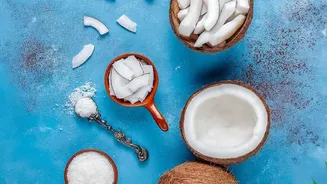
The focus on coconut heritage is also a masterclass in sustainability. On the islands, no part of the coconut goes to waste. The fibrous husk is transformed into coir for ropes and mats, while the hard shells are skillfully carved into beautiful bowls, jewellery, and intricate decorative items. The carnival puts this resourcefulness on full display. Live demonstrations and artisan stalls show how these natural materials are engineered into eco-friendly art and utilitarian products. This not only highlights the incredible craftsmanship of local artisans but also promotes a message of sustainability, showing how a single natural resource can be a source of food, income, and art.
A Strategy for Authentic Tourism
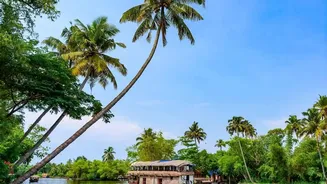
Ultimately, highlighting coconut heritage is a smart and strategic move by the tourism board to foster authentic and responsible travel. In a world of generic beach holidays, this theme offers something unique and memorable. It encourages visitors to look beyond the pristine sands and crystal-clear waters to engage with the islands' living culture and economy. By celebrating an indigenous resource, the carnival promotes a form of tourism that is deeply rooted in place, supports local communities directly, and provides a richer, more immersive experience. It's a conscious decision to define Andaman tourism not just by its beauty, but by its unique cultural identity.