







Beyond Vitamins: Why Minerals Matter
Vitamins often get the spotlight, but minerals are the unsung heroes of our health. These inorganic elements, which the body can't produce on its own, are crucial for countless functions. They are the building blocks for strong bones and teeth, help regulate
your heartbeat and fluid balance, and are essential for making hormones and enzymes. Minerals are divided into two categories: macrominerals, like calcium and magnesium, which we need in larger amounts, and trace minerals, such as iron and zinc, which are required in smaller quantities but are no less vital.
The Unsung Heroes of Your Health
Every essential mineral has a specific job. Calcium is famous for building strong bones, but it also plays a role in muscle contraction and nerve function. Magnesium participates in over 300 biochemical reactions, including muscle relaxation and maintaining a steady heart rhythm. Iron is a key part of the red blood cells that transport oxygen throughout your body, which is fundamental for energy. Zinc supports your immune system and helps with wound healing, while potassium is critical for balancing fluids and maintaining healthy blood pressure.
Telltale Signs Your Diet May Be Lacking
Mineral deficiencies can manifest in subtle ways that are easy to overlook. General fatigue and weakness, muscle cramps, or changes in hair, skin, and nails can all be signs that your diet is missing key nutrients. For example, brittle nails and hair loss can sometimes be linked to insufficient iron or zinc. Frequent muscle spasms might point to a need for more magnesium or calcium. While these symptoms can have many causes, they can serve as gentle nudges from your body to take a closer look at the quality of your diet.
How to Stock a Mineral-Rich Pantry
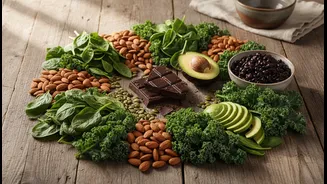
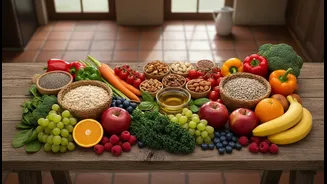
Eating for minerals doesn't require a radical diet overhaul; it’s about variety. Aim to include a wide array of whole foods. Leafy greens like spinach and kale are powerhouses of magnesium, potassium, and calcium. Nuts and seeds, such as almonds and pumpkin seeds, are packed with magnesium, zinc, and selenium. Legumes like beans and lentils provide iron, potassium, and magnesium. For a boost in calcium and phosphorus, consider dairy products like yogurt or fortified tofu. Even whole grains, shellfish, and certain fruits like bananas and avocados contribute significantly to your mineral intake.
Why Food Is Your Best First Choice
While supplements have their place, experts generally recommend a food-first approach. Nutrients from whole foods are often more easily absorbed because they come packaged with fiber and other compounds that work together synergistically. An orange, for instance, offers vitamin C along with fiber, a bit of calcium, and other plant chemicals, a combination a simple pill can't replicate. A diet rich in a variety of foods helps ensure you get a wide spectrum of nutrients that work in harmony. Supplements can also create an imbalance or lead to toxicity if taken in high doses without medical guidance.