



Embrace Slow Travel in the Haa Valley
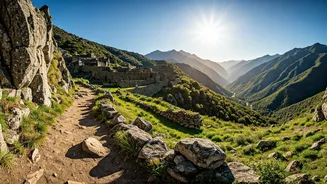
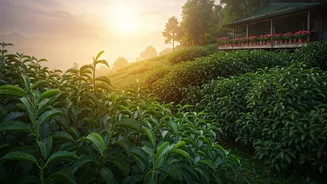
While most itineraries focus on Paro and Thimphu, the neighbouring Haa Valley remains a pristine sanctuary. This is the heart of slow, sustainable tourism in Bhutan. Instead of a quick day trip, plan a multi-night stay in a traditional family-run homestay.
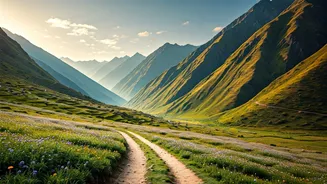
This isn't just accommodation; it's a deep dive into Bhutanese life. You'll share meals cooked with locally sourced ingredients, learn the art of preparing 'ema datshi' (chilli cheese stew), and hear stories passed down through generations. The experience directly supports the local economy, ensuring your travel funds benefit the community you're visiting. The valley is also a gateway to stunning, less-trodden trekking routes that wind through pine forests and offer panoramic views of the Himalayas, all without the crowds of more popular trails.
Discover the Spiritual Heartland of Bumthang
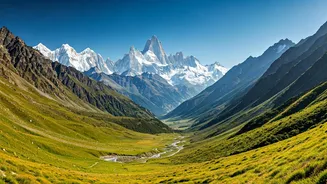
Often called the “Switzerland of Bhutan” for its beautiful valleys, Bumthang is the nation's undisputed spiritual and cultural core. It is home to some of the oldest and most revered temples and monasteries in the kingdom. While Punakha has its magnificent Dzong, Bumthang offers a collection of sacred sites that tell the story of Bhutan's birth as a Buddhist nation. Visit Jambay Lhakhang, said to be one of 108 temples built by a Tibetan king in the 7th century, and Kurjey Lhakhang, where the body print of Guru Rinpoche is enshrined. Exploring these sites isn't about ticking off a list; it's about feeling the deep-seated peace and history that permeate the air. For a truly unique experience, plan your trip around a local 'tsechu' (festival) to witness sacred mask dances and vibrant community celebrations.
Trace Weaving Traditions in Lhuentse
For a journey truly off the beaten path, head to the remote eastern region of Lhuentse. This area is celebrated as the ancestral home of Bhutan’s royalty and is the epicentre of its most intricate textile art. The weavers of Lhuentse, particularly in the village of Khoma, are masters of 'Kishuthara', a highly detailed silk-on-silk weaving style. Visiting here offers a rare opportunity to see artisans at their looms, working on patterns that are both complex and deeply symbolic. You can learn about the process, from dyeing the yarn with natural ingredients to the painstaking work of weaving. Purchasing a textile directly from a weaver not only gets you an authentic masterpiece but also provides a sustainable livelihood for these keepers of ancient tradition. This is a part of Bhutan that few tourists see, offering a quiet, profound connection to its artistic soul.
Hike a Section of the Trans Bhutan Trail
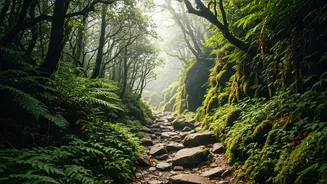
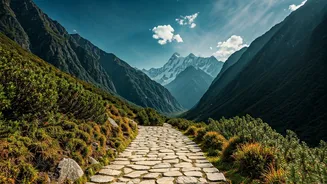
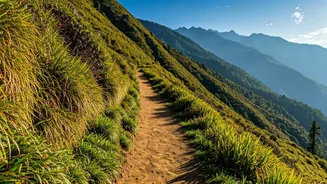
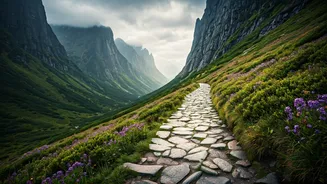
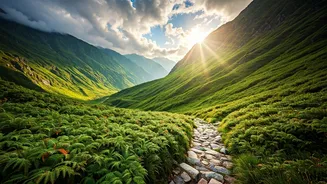
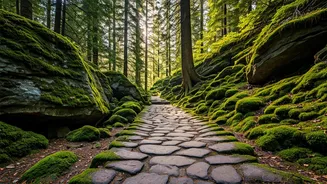
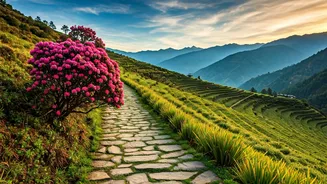
For centuries, the Trans Bhutan Trail was the only way to travel across the country, serving as a pilgrimage and communication route. After 60 years of disuse, this ancient 403-kilometre trail has been restored and reopened, creating an incredible opportunity for sustainable adventure. You don't need to walk the entire length. You can choose a multi-day section, such as the path from Punakha to Wangdue Phodrang. Walking the trail connects you to the landscape in an intimate way, taking you through villages, forests, and farmlands. The project is a model of sustainable tourism, with local communities involved in maintaining the trail and offering services like homestays and guided tours. It’s a way to step back in time and experience the kingdom at a human pace, just as its people have for generations.
Experience Farm Life in Rural Punakha
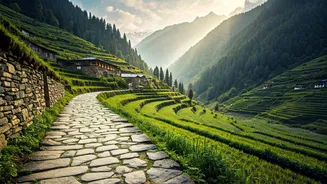
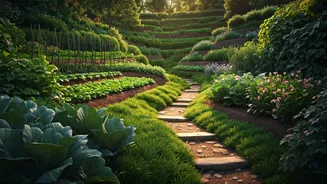
The Punakha Valley is famous for its majestic Dzong at the confluence of two rivers, but its true charm lies in its fertile agricultural lands. Move beyond the main town and explore the surrounding countryside, where you'll find terraced rice paddies glowing green in the sun and orchards heavy with fruit. Many farmhouses now offer farm-stay experiences, allowing guests to participate in daily activities. Depending on the season, you might help with the rice harvest or learn about traditional farming methods. It’s a hands-on way to understand Bhutan’s commitment to food security and organic agriculture. These stays culminate in delicious farm-to-table meals, where you taste the freshness of ingredients plucked from the garden just hours before. This path offers a taste of the simple, self-sufficient lifestyle that forms the backbone of Bhutanese culture.