

From Tourist to Local-in-Training
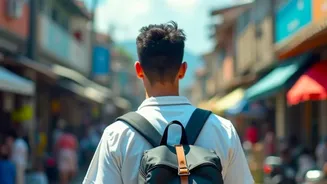
There’s a fundamental shift happening in how we view vacation. It’s no longer just about the Eiffel Tower selfie or a quick photo at the Taj Mahal. Instead, travellers are increasingly seeking to immerse themselves in a destination. Think less about seeing
a place, and more about feeling it. This means swapping a crowded bus tour for a cooking class in a local's home in Tuscany, choosing a guided street food walk in Old Delhi over a standard restaurant, or learning a traditional craft from an artisan in Jaipur. Data backs this up, with multiple studies showing a vast majority of travellers—over 70% in some cases—now say that experiencing a destination like a local is a high priority. This isn't just a niche trend; it's a redefinition of what makes a trip memorable.
The Quest for Authenticity
What’s driving this change? At its heart is a powerful desire for authenticity. In a hyper-connected, often standardised world, people crave genuine human connection and unique stories to tell. Many travellers, especially younger generations like Millennials and Gen Z, express a concern about their trips being inauthentic or just a series of 'tourist traps'. They don't just want to see a culture from behind a window; they want to participate in it. Social media plays a dual role here. While it can sometimes create travel 'clones' who chase the same photo, it has also exposed millions to the rich possibilities of experience-led travel, showcasing unique adventures that go far beyond a guidebook. The goal is to return home not just with souvenirs, but with new skills, stories, and a changed perspective.
Technology as the Great Enabler
This movement from passive sightseeing to active participation—sometimes called 'sight-doing'—has been supercharged by technology. A decade ago, finding a local fisherman in Goa willing to take you on his morning route would have required luck and a lot of effort. Today, platforms like Airbnb Experiences, GetYourGuide, and countless smaller, specialised tour operators have made these niche experiences easily discoverable and bookable. These platforms empower local guides, chefs, artists, and experts to share their skills and passions directly with travellers, creating a new, vibrant layer of the tourism economy. It's a direct line to the heart of a local culture, accessible with just a few taps on a smartphone. The tours, activities, and attractions sector is now growing faster than any other part of travel.
A Win for Local Communities
The benefits extend far beyond the traveller. When tourism is centered on local experiences, it channels money more directly into the hands of the community. Instead of revenue being concentrated among large hotel chains and international tour companies, it supports small businesses, individual entrepreneurs, and helps preserve cultural heritage. By creating a market for traditional crafts, cooking techniques, and local knowledge, community-based tourism provides a powerful incentive for these traditions to be celebrated and passed down through generations. It fosters a sense of pride and allows communities to have a say in how their culture is presented to the world, turning tourism into a tool for empowerment rather than just a source of revenue.
The Future of Getting Away
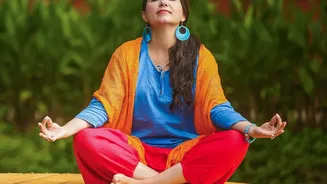
As this trend matures, it's clear that the definition of a 'good trip' has been permanently altered. The focus has moved from consumption to connection, from possessions to purpose. Travellers are realising that the most valuable things they can bring back from a journey aren't things at all, but the memories of shared meals, the warmth of a new friendship, and the feeling of having truly connected with a different way of life. Wellness travel, for instance, is no longer just about a spa but about immersive journeys like Ayurvedic retreats in Kerala or yoga in the Himalayas. People are intentionally seeking out slower, more deliberate travel that allows for spontaneous discovery and genuine engagement.