





What Did the FDA Uncover?
In early July 2026, the Maharashtra FDA issued a stark warning against three specific skin-lightening products: Goree Beauty Cream, Face Fresh Gold (which includes a cream and serum), and Golden Star Beauty Cream. Laboratory tests revealed these products contained
dangerously high levels of heavy metals like mercury and lead, far exceeding permissible limits. In one instance, a cream was found to have mercury levels 752 times higher than what is legally allowed. This alert is part of a broader crackdown. In recent months, the FDA has conducted numerous raids across Mumbai, Bhiwandi, and Satara, seizing cosmetics worth crores. These operations have uncovered products with misleading claims, such as for breast enhancement and fat burning, as well as items manufactured in unlicensed facilities without proper labelling, batch numbers, or manufacturing dates.
The Hidden Health Risks of Toxic Beauty
The ingredients found in these illegal and counterfeit products are not just subpar; they are actively harmful. Mercury and lead are potent neurotoxins. The Maharashtra FDA has warned that prolonged use of cosmetics containing these metals can lead to severe kidney damage, nervous system disorders, and serious skin problems. This is not a theoretical risk. In Nagpur, 18 women were diagnosed with kidney ailments over two years, with their use of Goree Beauty Cream identified as the common link. While some of these products promise rapid skin lightening, they achieve it by using mercury to block melanin production—a chemical process that damages the skin and allows the poison to be absorbed into the body. Beyond heavy metals, counterfeit cosmetics can also contain other dangerous substances like arsenic, chromium, and even bacteria, yeast, and mould due to unhygienic manufacturing.
Why Online Shoppers Are a Prime Target
The convenience of e-commerce has a dark side. Unverified sellers on major online marketplaces and social media platforms like Instagram have become major distribution channels for these dangerous products. Counterfeiters create packaging that almost perfectly mimics legitimate brands, making it difficult for consumers to spot fakes. They lure buyers with prices that seem too good to be true, flooding digital feeds with sponsored posts and recommendations that lend a false air of legitimacy. The problem is widespread, with some estimates suggesting that up to 30% of fast-moving consumer goods sold in India are counterfeit. Many of these products lack the mandatory information required by law, such as the manufacturer's address, batch number, and expiry date, making it impossible to trace their origin or verify their safety.
How to Protect Yourself and Spot a Fake
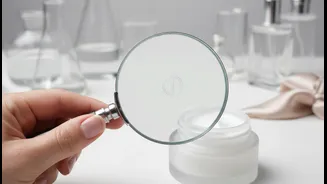
Being a vigilant consumer is your best defence. First and foremost, always buy from authorised sellers or the brand's official website. Be highly skeptical of deals that offer premium products at unusually low prices. Before you buy, carefully inspect the packaging. Look for spelling errors, inconsistent fonts, poor print quality, or flimsy materials, as these are common red flags for fakes. A genuine product will have clear, complete labelling, including the manufacturer's details, batch number, manufacturing date, and expiry date. Many brands now include security features like holograms or QR codes that allow you to verify authenticity. If a product's texture or smell seems off, or if it feels grainy or separates, it is best to avoid it. Finally, check customer reviews from verified buyers, paying close attention to any comments about authenticity or quality.