

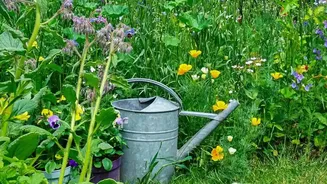
What is Water-Smart Gardening?
Water-smart gardening, sometimes known as xeriscaping, is a design philosophy focused on minimising water use without compromising on beauty. It's a holistic approach that moves beyond simply choosing drought-tolerant plants. The goal is to create a resilient,
low-maintenance ecosystem in your own backyard. It's a common misconception that a low-water garden must be a barren landscape of rocks and cacti. In reality, a well-designed water-smart garden can be vibrant, full of texture, and teeming with life. The key is to think of your garden as a complete system for managing water, from the moment a raindrop falls until a plant absorbs it.
The Benefits Beyond a Lower Water Bill
While reducing your water bill is a significant advantage, the perks of a water-wise garden go much further. A primary benefit is the reduced maintenance. Since these gardens are designed with plants suited to the local climate, they require less fuss—less watering, fertilising, and pruning—giving you more time to simply enjoy your outdoor space. Environmentally, these gardens have a powerful positive impact. They conserve a precious resource and reduce polluted runoff from excess fertilisers and pesticides. By choosing native plants, you also create a valuable habitat that supports local biodiversity, attracting birds, bees, and butterflies. A thoughtfully designed water-smart landscape can even enhance your home’s curb appeal and potentially increase its market value.
Core Principles of a Water-Wise Design
Creating a water-smart garden involves several key strategies working in concert. First, improve your soil; adding compost enhances its water-holding capacity, meaning more moisture is available to your plants for longer. Second, always cover bare soil with mulch—a layer of organic material like dried leaves, bark, or wood chips. Mulch shades the soil, dramatically reduces evaporation, suppresses weeds that compete for water, and cools plant roots. Third, group plants according to their watering needs, a practice known as 'hydrozoning'. Place thirsty plants together in a small, manageable area, and dedicate the largest parts of your garden to low-water native species. Finally, if you irrigate, switch to a drip irrigation system, which delivers water directly to the roots with up to 90% efficiency.
Choosing the Right Plants for India
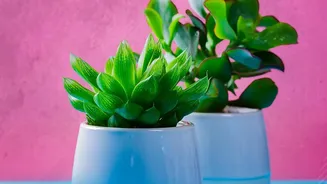
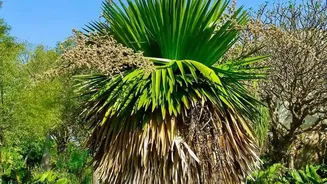
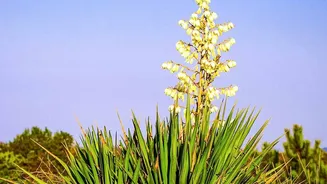
The heart of any water-smart garden is its plant selection. The best choices are native plants that are already adapted to your specific regional climate and soil conditions, as they require little more water than what nature provides. For Indian gardens, the options are plentiful and beautiful. Hardy, vibrant bloomers like Bougainvillea, Lantana, and Portulaca (Office Time) thrive in the sun with minimal water. Many varieties of jasmine (Mogra, Juhi) are surprisingly drought-tolerant once established. For texture and structure, consider ornamental grasses and succulents. The key is to look at what grows well locally with little intervention. A visit to a local nursery to ask about native, low-water options is a great place to start.
Getting Started: Simple First Steps
Transforming your entire garden can feel daunting, so start small. Choose one section, perhaps a sunny patch that struggles in the summer heat, and make that your pilot project. Begin by testing your soil and adding compost to improve its health. Before you buy any plants, develop a simple plan. Observe how the sun moves across your space and group your chosen plants by their water and light requirements. The easiest and most impactful first step for any gardener is to start watering correctly: water deeply but less frequently, always in the cool of the early morning to minimise evaporation. This encourages plants to develop deep root systems, making them more resilient to drought.