

More Than Just Packing a Lunch
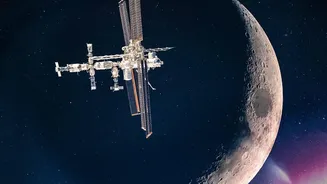
Feeding an astronaut is far more complex than simply packing meals. For short missions on the International Space Station (ISS), crews rely on pre-packaged, shelf-stable foods, supplemented by occasional fresh produce from resupply missions. But for extended
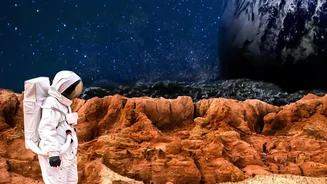
stays on the Moon, and eventually Mars, this model is unsustainable. The sheer mass and volume of food required for a multi-year journey is a logistical nightmare. Furthermore, pre-packaged foods degrade over time, losing both their nutritional value and palatability. This can lead to “menu fatigue,” where astronauts grow tired of the limited options and fail to consume enough calories, resulting in dangerous weight loss.
The Unique Dangers of a Space Diet
The human body reacts strangely to the space environment. Without Earth's gravity, astronauts experience significant bone and muscle loss. This physiological stress is compounded by exposure to space radiation and the psychological challenges of isolation. Nutrition becomes a critical countermeasure. However, the body's ability to process nutrients changes in space; for example, calcium absorption decreases, even with supplements. Astronauts often experience a negative energy balance, leading to weight loss that can exceed 10% and increase the risk of metabolic stress. Simply eating more isn't always the answer, especially when appetite can be suppressed. Therefore, scientists are focused on developing diets and specific nutrient supplements that can directly combat these adverse effects.
The Rise of the Lunar Greenhouse
The most promising long-term solution is growing fresh food in space. NASA and other international space agencies are heavily invested in developing bioregenerative life-support systems, essentially creating self-sustaining ecosystems for space habitats. This involves everything from designing lunar greenhouses to figuring out the best way to grow crops in microgravity. Experiments on the ISS have already successfully cultivated lettuce, radishes, tomatoes, and even chile peppers. Researchers are studying hydroponic (water-based) and aeroponic (mist-based) systems, as well as how to use lunar regolith (soil) as a growth medium, perhaps enriched with nutrients recycled from waste. The goal is to grow nutrient-dense, fast-growing crops like leafy greens and microgreens that provide essential vitamins and a much-needed psychological boost from fresh food.
Innovating the Future of Food
Beyond growing salads, researchers are exploring truly futuristic food production methods. One project by the European Space Agency is testing how to create a protein powder from microbes, air, and electricity, using urea from astronaut urine as a nitrogen source. Other studies are looking into on-demand nutrient production using microorganisms like spirulina, an algae that is high in protein and also converts carbon dioxide into oxygen. NASA's BioNutrients experiments are testing ways to use engineered microbes to produce specific vitamins and nutrients as needed, much like making yogurt. Another recent study highlighted the potential for customizable, fortified drinks containing nutrients like omega-3 fatty acids to help protect against radiation and support bone health. These innovations aim to create a flexible, resilient food system that reduces reliance on Earth and gives astronauts the personalized nutrition they need to thrive on long journeys.