


Know Thyself: Assessing Your Fitness
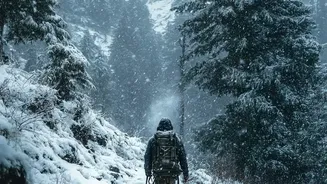
Before you get carried away by stunning photos of snow-covered peaks, an honest self-assessment is crucial. Winter trekking is more demanding than summer hiking. The cold drains energy, walking on snow requires more effort, and nights can drop to sub-zero
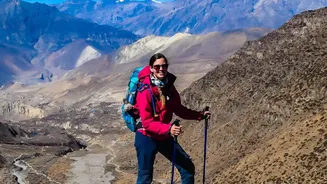
temperatures. For a beginner, this means choosing a trek with gentler gradients and shorter daily distances. A good baseline for most easy-to-moderate treks is the ability to walk 5-6 kilometres comfortably. If you have prior experience with multi-day treks and are comfortable with steep ascents and long walking hours, you can consider more moderate trails. Advanced treks require proven high-altitude experience and excellent physical fitness.
For First-Timers: Easy to Moderate Treks
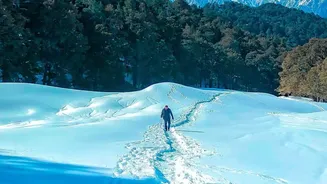
If you are new to snow trekking, a beginner-friendly trail is the perfect introduction. Kedarkantha, often called the 'Queen of Winter Treks', is a popular choice for first-timers. Located in Uttarakhand, this 5 to 6-day trek involves walks through beautiful pine forests, camping near the frozen Juda Ka Talab lake, and a rewarding summit climb to 12,500 feet for panoramic views of peaks like Swargarohini. Another excellent option is Dayara Bugyal. Known for its vast, rolling meadows that get blanketed in snow, this trek is slightly shorter and has gentler slopes, making it ideal for families and photography enthusiasts. You'll get stunning views of the Bandarpoonch range without an overly strenuous climb.
For the Experienced: Moderate Treks
If you have a few treks under your belt and are looking for a bigger challenge, moderate trails offer more altitude and more dramatic scenery. The Brahmatal trek in Uttarakhand is a classic choice, famous for its two frozen alpine lakes, Brahmatal and Bekaltal. The trail takes you along snowy ridges with spectacular, up-close views of Mt. Trishul and Mt. Nanda Ghunti. Another highly recommended moderate trek is the Kuari Pass, also known as the Curzon Trail. This trek is renowned for offering one of the best panoramic views of the Himalayan giants, including India's highest peak, Nanda Devi. While doable for fit beginners, its higher altitude and longer duration make it more suitable for those with some prior trekking experience.
For the Adventurous: Difficult Treks
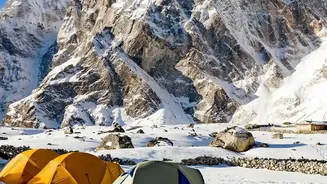
For seasoned trekkers seeking the ultimate challenge, the Chadar Trek in Ladakh is an experience like no other. This is not a mountain climb but a walk along the frozen Zanskar River. The word 'Chadar' means 'blanket', referring to the sheet of ice you traverse. This trek is considered difficult not because of altitude gain, but because of the extreme cold, with temperatures dropping to -30°C at night. It requires significant mental and physical preparation, mandatory acclimatisation in Leh, and the ability to walk on an unpredictable surface of ice. Trekkers camp in caves or tents on the riverbank, surrounded by the stark, silent beauty of the Zanskar gorge. It is an iconic expedition for those with a high level of fitness and experience in harsh winter conditions.