





In a world of complicated diets and processed snacks, the simplest solution is often the best. Grabbing a piece of seasonal fruit is the ultimate daily whole-food snack, offering unmatched convenience, flavour, and nutritional benefits.
The Whole-Food Advantage
First, let's define
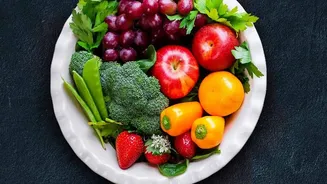
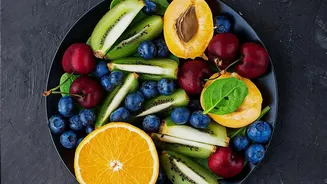
'whole food'. A whole food is something that remains in its natural, unprocessed state. Think of an apple, a banana, or a handful of berries—foods without a long list of ingredients, added sugars, or artificial preservatives. These foods are packed with the vitamins, minerals, and fibre your body needs. Unlike processed snacks that can lead to energy crashes, the fibre in whole fruits helps regulate blood sugar, providing sustained energy. Choosing a whole fruit means you're getting what nature intended: a nutrient-dense food that fills you up and supports overall health, from digestion to immunity.
The Power of Eating Seasonally
Opting for seasonal fruits takes the benefits a step further. When fruits are in season, they are at their peak in terms of both flavour and nutrition. Produce that is picked and sold during its natural growing season is allowed to ripen fully on the plant, developing a richer taste and higher concentration of vitamins and antioxidants. Fruits that are available out of season often have to be picked early and transported long distances, which can diminish their nutritional value and taste. Seasonal produce is also more abundant, which typically makes it more affordable and a budget-friendly choice for families. Furthermore, eating with the seasons aligns our diet with the environment's natural rhythms, providing nutrients our bodies might need for that specific time of year, such as hydrating fruits in the summer and vitamin C-rich options in the winter.
Unbeatable, Effortless Convenience
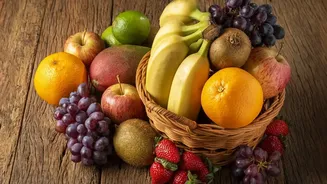
The core appeal of seasonal fruit is its sheer convenience. It requires no cooking, minimal to no preparation, and comes in its own natural packaging. You can easily toss a banana, an orange, or an apple into your bag for a quick snack on the go. There are no complex recipes to follow or containers to worry about. This grab-and-go nature makes it one of the easiest ways to fight off midday hunger with a healthy choice. In a busy world, the simplicity of washing and eating a piece of fruit is a significant advantage over snacks that require assembly or cooking. It's nature's fast food, ready whenever you are.
A Guide to India's Fruit Seasons
India's diverse climate offers a wonderful variety of fruits throughout the year. Embracing this calendar ensures you're always getting the freshest options. Summer (March-June): This is the season of mangoes, the undisputed king of fruits. You'll also find an abundance of hydrating watermelons, muskmelons, lychees, and jackfruit, perfect for beating the heat. Monsoon (July-September): The rainy season brings succulent jamun (Indian blackberry), juicy pears, peaches, and plums. Cherries from hill states and pomegranates also make an appearance. Winter (October-February): As the weather cools, the markets fill with citrus fruits like oranges and sweet limes, which are excellent for boosting immunity. This is also the prime time for apples, guavas, pomegranates, and strawberries in certain regions. Some fruits, like bananas and papayas, are available for most of the year, providing a consistent go-to option.