


Pinpoint the Prime Viewing Window
The secret to a great stargazing session is avoiding moonlight, which can wash out all but the brightest objects. This month, the key date is the New Moon on Tuesday, July 14, 2026. This marks the center of the prime dark-sky window. The best nights for
observation will fall in the week leading up to this date and the few nights immediately following, roughly from July 7 to July 18. During this period, the Moon will either be absent from the sky or just a slender crescent that sets early, leaving behind the deep, dark canvas needed to see the galaxy's fainter wonders. Planning your celestial excursions within this timeframe is the single most important step you can take for a rewarding night under the stars.
What to Look for This Month
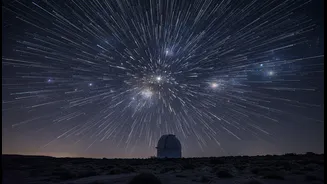
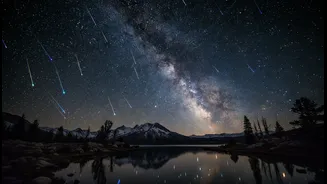
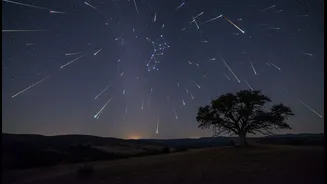
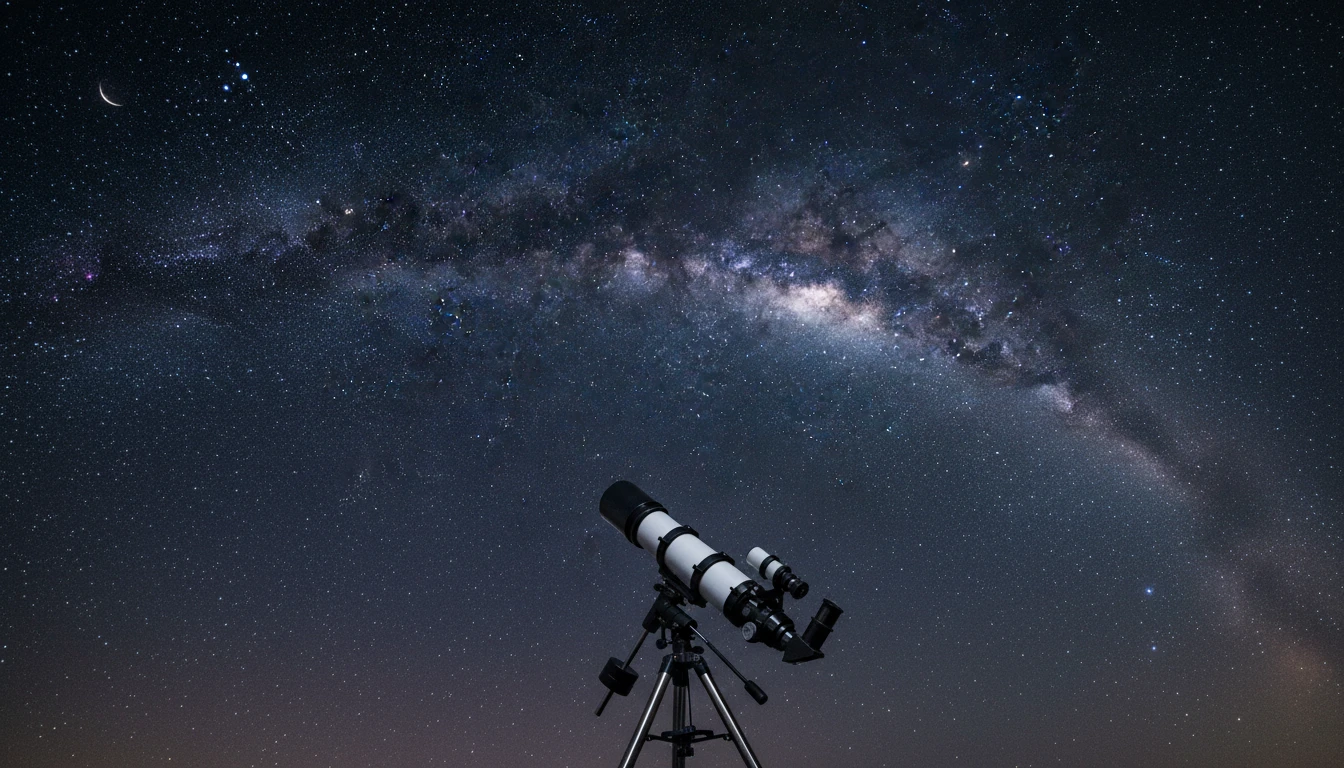
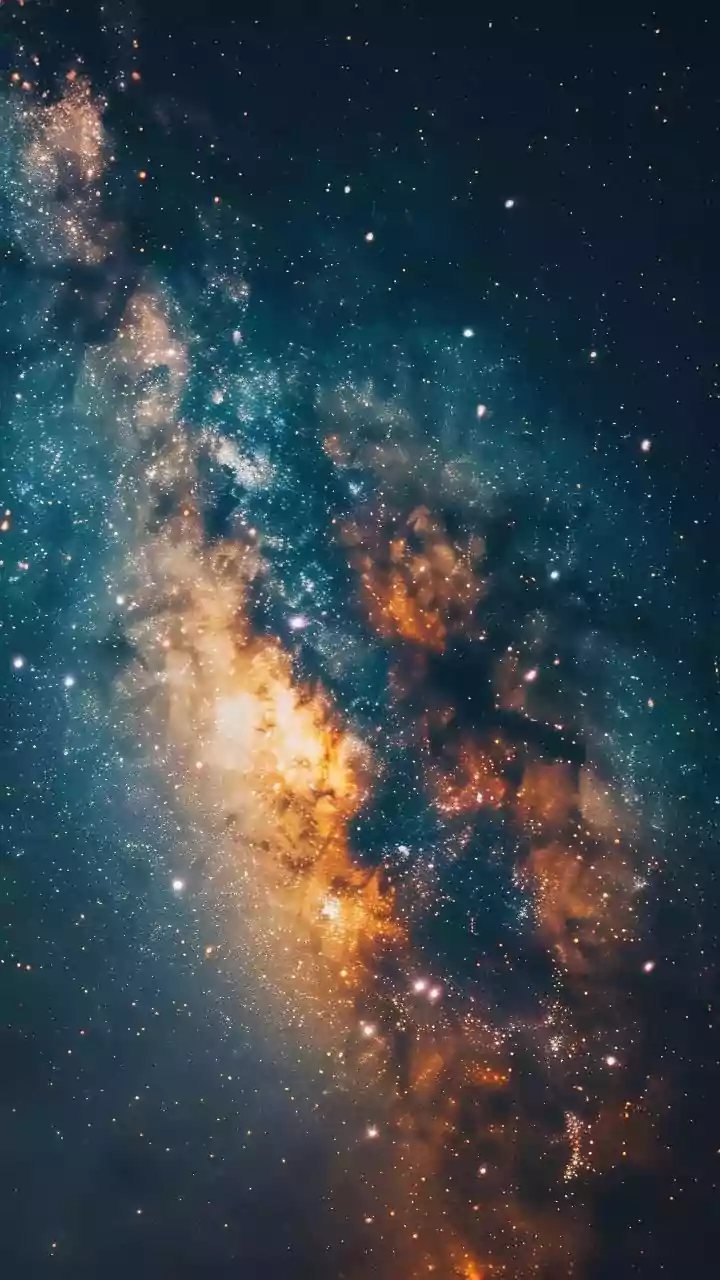
With the Moon out of the way, July's sky puts on a remarkable show. The star is the shimmering core of our own Milky Way galaxy, which stretches across the southern sky like a celestial river of light. For those in truly dark locations, it’s a breathtaking sight that’s best seen during the summer months. This month also marks the beginning of two meteor showers. The Southern Delta Aquariids, active from mid-July, offer a steady trickle of meteors. More famously, the Perseid meteor shower begins its annual performance around July 17. While both showers peak later under less ideal, moonlit conditions, you can still catch their early meteors during the dark window. Look also for brilliant Venus in the evening sky after sunset and Saturn rising after midnight.
Become a Weather-Watching Pro
The most meticulously planned stargazing trip can be thwarted by a single, inconvenient layer of clouds. This is where modern technology becomes an astronomer’s best friend. Don't just check if it will rain; use weather apps and websites that provide detailed cloud cover forecasts. Look for predictions of clear or mostly clear skies. It’s also wise to check satellite imagery, which can show you if a weather system is moving in or clearing out. Professional astronomers often check forecasts multiple times a day leading up to an observation night. Adopting this habit will save you from the frustration of driving to a dark-sky spot only to find your view completely obscured. Flexibility is key; be prepared to shift your plans by a night or two to catch a clear opening.
The Essential Art of Patience
The second half of the headline’s advice—patience—is just as crucial as checking the weather. Your experience of the night sky changes dramatically the longer you are in the dark. It takes the human eye about 20 to 30 minutes to fully adapt to darkness, a process called dark adaptation. During this time, your pupils dilate and your eyes become significantly more sensitive to faint light. Resist the urge to look at your bright phone screen, as even a quick glance can reset this process. Patience also applies to what you’re looking for. Meteor showers are not constant fireworks displays; they are quiet, sporadic events. You might see several meteors in a few minutes, followed by a long lull. The joy is in the quiet anticipation and the sudden, magical reward of a shooting star streaking across the sky.
Your Stargazing Toolkit
You don't need expensive equipment to enjoy the night sky, but a few key items will make your experience much more comfortable and successful. First, find a location away from city lights. Even a short drive out of town can make a huge difference. Pack a comfortable reclining chair or a thick blanket to lie on, as craning your neck for an hour is no one's idea of fun. Dress in layers, as even summer nights can get chilly when you’re sitting still. Bring a flashlight, but make sure it has a red-light setting; red light doesn’t interfere with your night vision the way white or blue light does. Finally, consider downloading a stargazing app to your phone. These apps use your location to create a real-time map of the sky, helping you identify the constellations, planets, and even the radiant points of meteor showers.