
The Golden Rule: No Cotton
Before we get into what to pack, let's establish what to leave behind: cotton. Cotton absorbs moisture and takes an incredibly long time to dry in the humid conditions of the Ghats. A wet cotton t-shirt or pair of jeans will cling to your skin, make you feel
cold even when you're exerting yourself, and can even lead to chafing and hypothermia in cooler, windy conditions. The core principle for monsoon trekking is to choose fabrics that manage moisture, and cotton is your worst enemy in this regard. Every item you pack should be made from a synthetic material like polyester and nylon, or a natural performance fibre like merino wool. These fabrics wick moisture away from your skin and dry much faster.
Outer Layer: The Indispensable Raincoat or Poncho
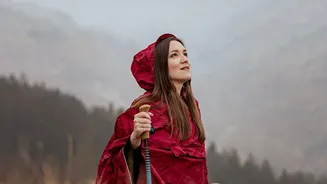
A high-quality waterproof and breathable outer layer is non-negotiable. You have two main choices: a rain jacket or a poncho. A good rain jacket should have sealed seams to prevent water from seeping in. Breathability is key; without it, you'll end up soaked in your own sweat. A poncho is another excellent option, often favoured for its superior ventilation and its ability to cover both you and your backpack, offering complete protection in a downpour. Some trekkers even carry a lightweight emergency poncho for sudden cloudbursts. Whichever you choose, ensure it's easily accessible at the top of your pack for quick deployment when the weather inevitably turns.
Core Layers: Quick-Dry Synthetics Are Key
For your base and mid-layers, think in terms of quick-dry synthetic t-shirts and long-sleeved shirts. Polyester or nylon blends are ideal as they pull sweat away from your body and dry quickly when the rain stops for a moment. Pack at least two trekking t-shirts. For bottoms, quick-dry trekking pants are essential. Look for lightweight, ripstop fabrics that can withstand snags from bushes and rocks. Avoid heavy cargo pants and absolutely no jeans or cotton trousers. Convertible pants that zip off into shorts can be versatile, but full-length pants offer better protection from scratches and insects.
Footwear: Grip, Draining, and Dry Socks
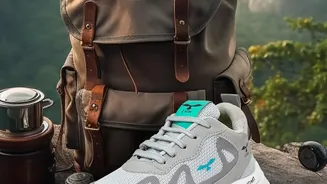
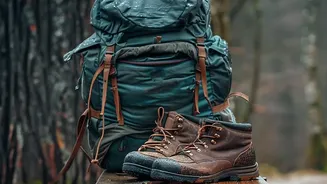
Your choice of footwear can make or break your trek. The trails will be muddy, slippery, and involve stream crossings. You need trekking shoes with an excellent, deep grip. While fully waterproof boots sound ideal, a common issue is that once water gets in over the top, the waterproof membrane traps it inside, leaving your feet waterlogged. For this reason, many experienced Ghats trekkers prefer well-draining, non-waterproof shoes paired with the right socks. This combination allows water to flow out, and your feet have a better chance of drying. The most critical part of your foot-care system, however, is your socks. Pack multiple pairs of synthetic or merino wool socks. Avoid cotton socks at all costs, as they lead to blisters when wet. Changing into a dry pair of socks as soon as you reach camp is a small comfort that feels like a huge luxury.
The Leech Problem: Proactive Protection
Leeches are a simple fact of life on monsoon treks in the Western Ghats. While their bites are harmless and don't transmit disease, they are a nuisance and can be unnerving. Your clothing is your primary defence. Tucking your trekking pants into your socks can help. The most effective solution is a pair of leech socks. These are knee-high socks made of tightly woven fabric that you wear over your regular socks and pants, creating a barrier that leeches cannot penetrate. Many trekkers also find applying a salt or tobacco-and-oil mixture to their shoes and lower legs can act as a deterrent.
Essential Accessories for Comfort and Safety
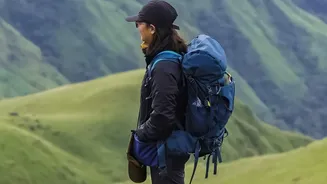
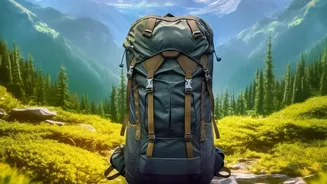
A few small items can significantly improve your comfort. A sun cap or baseball cap is surprisingly useful; worn under your raincoat's hood, its brim keeps rain from dripping onto your face and improves visibility. Always have a waterproof rain cover for your backpack. Even if your pack is water-resistant, hours of rain will find a way in. For an extra layer of security, pack critical items like electronics, a change of clothes, and your sleeping bag in separate dry bags or even sturdy plastic bags inside your main pack. Finally, a lightweight fleece jacket is good to have for evenings at the campsite, as temperatures can drop and you'll want something warm and dry to change into.