






The Body’s Hunger and Fullness Orchestra
Your appetite isn't just about willpower; it's a complex system regulated by hormones. The two main players are ghrelin and leptin. Ghrelin, produced in the stomach, is the 'go' signal, rising when you're hungry and telling your brain it's time to eat.
Leptin, released from fat cells, is the 'stop' signal, telling your brain you're full and have enough energy stored. Other hormones like PYY and GLP-1 also join in after a meal to enhance feelings of fullness. In a balanced system, this hormonal feedback loop ensures you eat when you need energy and stop when you're satisfied. However, the ingredients in many processed 'diet' foods can throw this finely tuned orchestra out of sync.
The Sweetener Deception
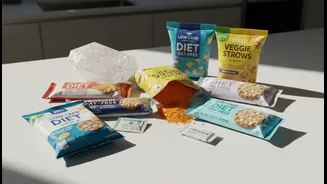
Many diet snacks replace sugar with artificial, non-nutritive sweeteners to lower the calorie count. While they provide a sweet taste without the calories, your body isn't so easily fooled. When you taste something sweet, your brain anticipates a corresponding intake of energy. Some research suggests that when artificial sweeteners provide that sweet taste without the expected calories, it can confuse the brain's reward pathways over time. While some studies show these sweeteners have no immediate effect on hunger hormones compared to water, their long-term impact is still debated. The intense sweetness can also condition your palate to crave more intensely sweet foods, potentially leading to poor dietary choices down the line.
The Refined Carbohydrate Rollercoaster
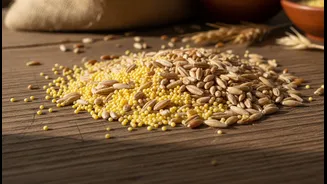
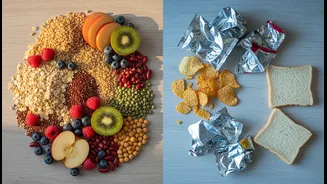
Many low-fat or diet-friendly snacks, like rice cakes or baked crisps, are built from highly refined carbohydrates. These ingredients are stripped of their fiber, which is crucial for slowing digestion and promoting satiety. When you eat them, your body digests them very quickly, causing a rapid spike in blood sugar and insulin. This is often followed by a sharp crash, which can trigger a new wave of hunger and cravings, particularly for more quick-energy foods. This cycle keeps your ghrelin levels elevated more often, making you feel hungry even when your body doesn't need calories. A snack made of whole grains, by contrast, would provide a slower, more sustained release of energy, keeping hunger at bay.
The Hyper-Palatable Food Trap
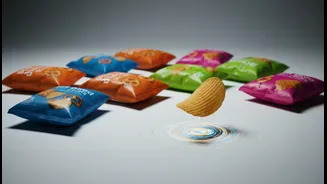
Food scientists are experts in creating 'hyper-palatable' products—foods with an irresistible combination of salt, sugar, fat, and specific textures that are more rewarding than anything found in nature. These foods are engineered to stimulate the release of dopamine, the brain's pleasure neurotransmitter, making you want to keep eating even when you're not physically hungry. This powerful reward signal can override the subtle hormonal cues from leptin and PYY that would normally tell you to stop. The result is that you might consume an entire bag of low-fat chips not because you're hungry, but because your brain's reward system has been hijacked, short-circuiting the natural feeling of fullness.
Breaking the Cycle and Snacking Smarter
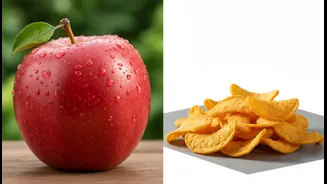
Understanding how these snacks work against your body's biology is the first step toward breaking free from the overeating cycle. Instead of reaching for highly processed 'diet' options, focus on whole foods for snacking. Foods rich in protein, fiber, and healthy fats are your best allies for true satiety. Think of an apple with peanut butter, a handful of almonds, or a small bowl of Greek yogurt. These snacks provide a balanced mix of nutrients that slow digestion, stabilize blood sugar, and give your hormonal system the clear, honest signals it needs to properly regulate your appetite. Reading ingredient labels and choosing snacks with simple, recognizable components can make all the difference in feeling satisfied, not perpetually hungry.