



Why Food-First Is a Smarter Approach
While calcium supplements have their place, especially when prescribed by a doctor, getting this vital mineral from your diet is often superior. The body generally absorbs calcium from food more effectively. This is because whole foods provide a complete
package of nutrients like vitamin D, magnesium, and phosphorus, which work together to support bone health. Dietary calcium is also less associated with the potential side effects linked to high-dose supplements, such as an increased risk for kidney stones. Getting calcium through meals means you're consuming it in smaller, more frequent amounts, which improves absorption compared to taking a large, single dose from a pill. Essentially, a food-first strategy is a more natural and holistic way to meet your body's needs.
How Much Calcium Do You Actually Need?
The recommendations for daily calcium intake can vary. The Indian Council of Medical Research (ICMR) generally recommends 600 mg of calcium per day for adults. However, many experts suggest that 800-1000 mg is a better target, with needs increasing for adolescents, pregnant and lactating women, and postmenopausal women, who may require up to 1200 mg. Studies show that the average calcium intake in India is often as low as 400-500 mg per day, well below the recommended levels. This gap highlights the importance of being mindful about your dietary choices to ensure you're getting enough.
Conducting Your Simple Meal Audit
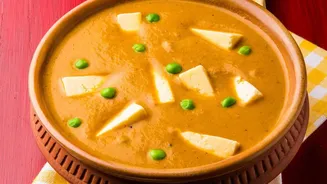
A meal audit sounds technical, but it’s simply the act of paying attention to what you eat. To start, keep a food diary for three to five days. Be honest and specific. Instead of just writing "curry," note that you had paneer curry with a ragi roti. Record portion sizes—was it a small bowl of dal or a large one? Don't forget drinks and snacks. At the end of the period, review your log. Look for calcium-rich foods you're already eating and identify where the gaps are. Are dairy products or calcium-rich greens making a daily appearance? This simple exercise gives you a clear, personalized picture of your current intake, showing you exactly where you can make improvements.
Calcium Powerhouses in the Indian Diet
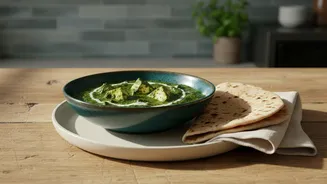
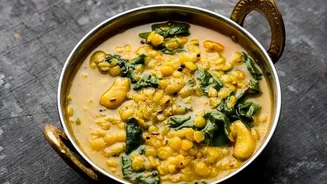
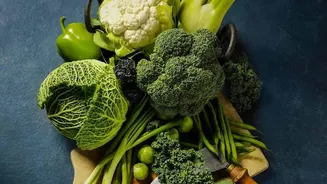
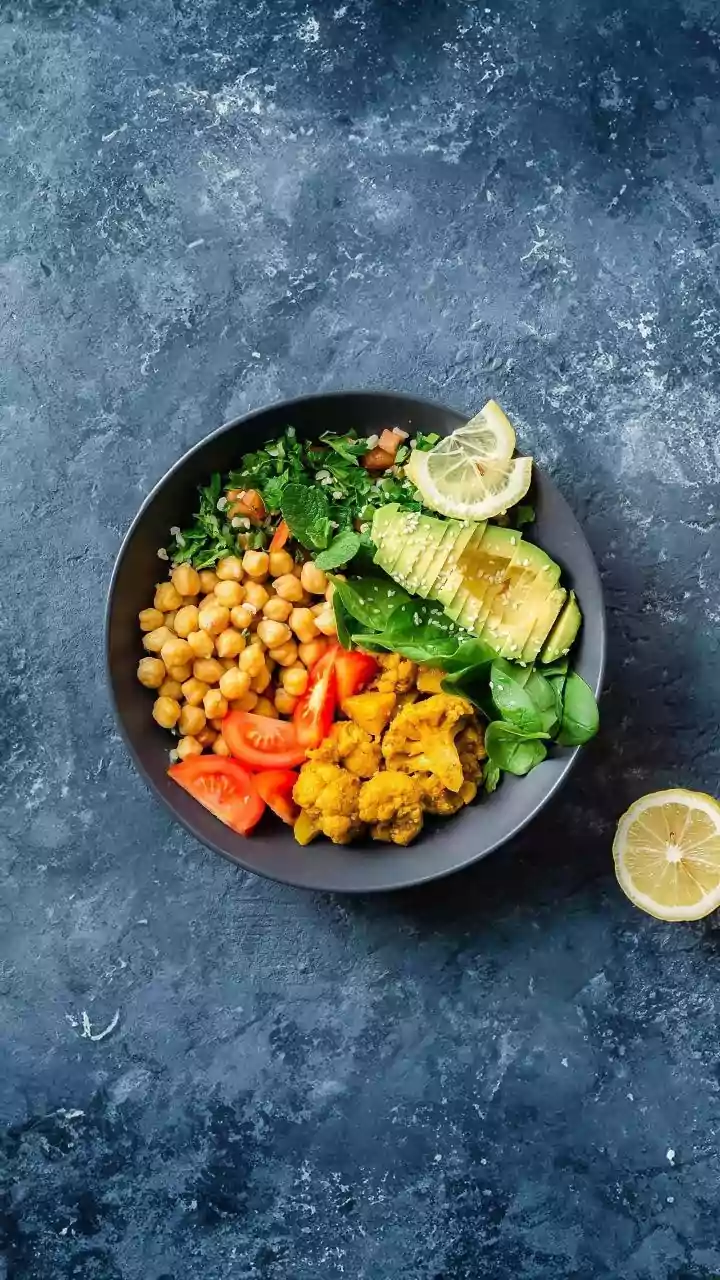
Boosting your calcium intake is easy with the wealth of options available in Indian cuisine. Dairy products are excellent sources; a 100g serving of paneer can offer around 480 mg, while a glass of milk contains about 120 mg. For those who are lactose intolerant or prefer plant-based options, the choices are plentiful. Ragi (finger millet) is a standout, containing significantly more calcium than other cereals. Lentils and legumes like rajma and chickpeas are also valuable sources. Green leafy vegetables, especially amaranth, are rich in calcium, though it's worth noting that some greens like spinach contain oxalates that can reduce calcium absorption. Finally, sesame seeds (til) and almonds are fantastic for snacking and can significantly contribute to your daily total.
Maximise What You Absorb
Consuming calcium-rich foods is only half the battle; your body needs to be able to absorb it. Vitamin D is the most crucial partner for calcium absorption, so safe sun exposure is beneficial. On the flip side, several factors can hinder absorption. High intakes of salt (sodium) and caffeine can increase calcium loss through urine. Compounds like oxalates (found in spinach and rhubarb) and phytates (found in whole grains and raw beans) can bind to calcium, making it less available to your body. This doesn't mean you should avoid these healthy foods, but rather focus on a varied diet and be aware of these interactions. A balanced approach ensures your body gets the most out of the calcium you consume.