





Wear Your Heaviest Items on the Plane
This is the golden rule of packing for cold climates and the single most effective way to save space and weight. Your bulkiest items—the heavy winter coat, the sturdy boots, and the thickest sweater—should be on your body, not in your bag. While it might
feel a bit warm as you navigate the airport terminal, you can easily remove layers once you're on the plane. Think of your coat as a potential blanket for a chilly cabin. This strategy alone can free up a significant portion of your luggage for other essentials and is a time-tested method for keeping your bag under the limit.
Embrace the Power of Compression
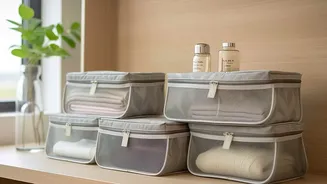
For the bulky items that must be packed, compression bags are a game-changer. These bags, which allow you to squeeze out excess air, can dramatically reduce the volume of items like puffer jackets, fleece, and wool sweaters. While they won't reduce the weight, they make fitting everything into your cabin bag much more manageable. Some travellers use a hybrid approach, using compression bags for the bulkiest clothing and standard packing cubes for other items like t-shirts and trousers to maintain organisation. Just be aware that tight compression can lead to wrinkles, so this method is best for casual, soft clothing.
Choose Your Fabrics Wisely
Not all winter clothing is created equal when it comes to weight and warmth. Instead of heavy, bulky cotton, opt for lightweight yet high-performance materials. Merino wool is a top choice for base layers and socks; it's warm, moisture-wicking, and naturally resists odour, meaning you can wear pieces more than once. Modern synthetics and down or down-alternative jackets offer incredible warmth for a fraction of the weight and can often be packed down into a small pouch. A strategic wardrobe built on these lighter fabrics provides just as much warmth without the bulk.
Master the Art of Layering
Packing for winter is all about layering. Instead of one incredibly thick, heavy jumper, pack several thinner layers that you can combine for warmth. A typical system includes a moisture-wicking base layer (like merino wool), a warm mid-layer (like a fleece or thin sweater), and a protective outer shell. This approach is not only more space-efficient but also more versatile, allowing you to adapt to changing temperatures throughout your trip. Many of these layers can also be worn onto the plane to further lighten your bag's load.
Utilise Every Inch of Space
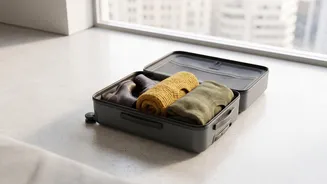
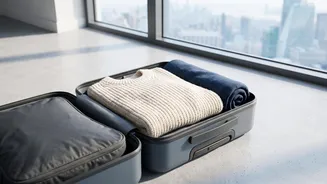
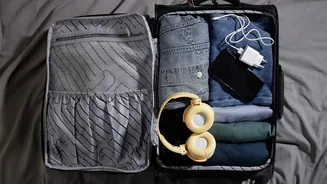
Smart packing involves using all available space efficiently. Rolling your clothes is generally more space-effective than folding and can help reduce wrinkles. Beyond that, think about the “dead space” in your bag. The insides of your extra pair of shoes are perfect for stuffing with socks, underwear, or other small items. Packing cubes can help you compartmentalise and compress clothing further, keeping your bag organised. By combining rolling with cubes and filling every nook, you maximise your carry-on's capacity.
Maximise Your Personal Item
Most airlines allow one carry-on bag plus a smaller 'personal item', such as a backpack or large tote. Don't underestimate its value. This second bag is the perfect place for your heaviest, densest items, such as electronics, books, or a toiletries bag. Some savvy travellers even use a small, discreet fanny pack worn under their coat for essentials like a passport and phone, freeing up even more room in their main personal item. Since personal items are less frequently weighed than carry-on suitcases, this is a strategic way to manage your overall weight.
Know Your Airline's Rules Before You Pack
Finally, the most crucial step is to check your airline’s specific carry-on baggage policy before you even start packing. Weight and size allowances can vary significantly between carriers. A bag that is acceptable on one airline may be considered overweight on another. Weighing your packed bag at home with a digital luggage scale can prevent a stressful and expensive surprise at the check-in counter. Knowing the exact limits you're working with allows you to apply these packing strategies effectively and travel with confidence.