


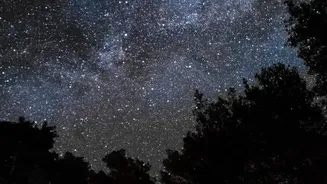


The Perfect Recipe for a Starry Night
To see the cosmos in its full glory, you need three key ingredients: darkness, clarity, and stability. The remote valleys of Ladakh and Spiti provide all three in abundance. Their high altitude, often exceeding 4,000 metres, places them above the thickest,
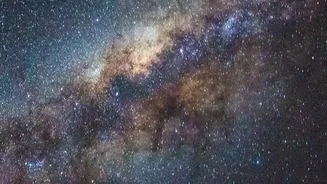
most turbulent layers of Earth's atmosphere. This means there's less air for starlight to travel through, resulting in sharper, more brilliant views. Furthermore, these regions are cold deserts, and the winter air is exceptionally dry. Low humidity and minimal moisture prevent the kind of haze that obscures skies in lower, more humid areas. Finally, their sparse population and geographical isolation ensure near-zero light pollution, allowing even the faintest stars and the Milky Way to shine brightly.
Hanle: India's Official Celestial Sanctuary
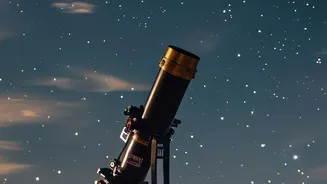
Nowhere is this potential more recognised than in Hanle, a remote village in Ladakh’s Changthang region. In 2022, a 1,073-square-kilometre area around Hanle was officially designated as India's first Dark Sky Reserve. This designation isn't just a title; it involves a commitment from the local community and administration to minimise artificial light pollution through measures like shielded streetlights and curfews. Situated at an altitude of about 4,500 metres, Hanle is home to the Indian Astronomical Observatory, one of the world's highest. This scientific pedigree, combined with its protected dark skies, makes it a premier global destination for both professional astronomers and astro-tourists seeking an unparalleled view of the universe.
Spiti and Beyond: Nature's Own Observatories
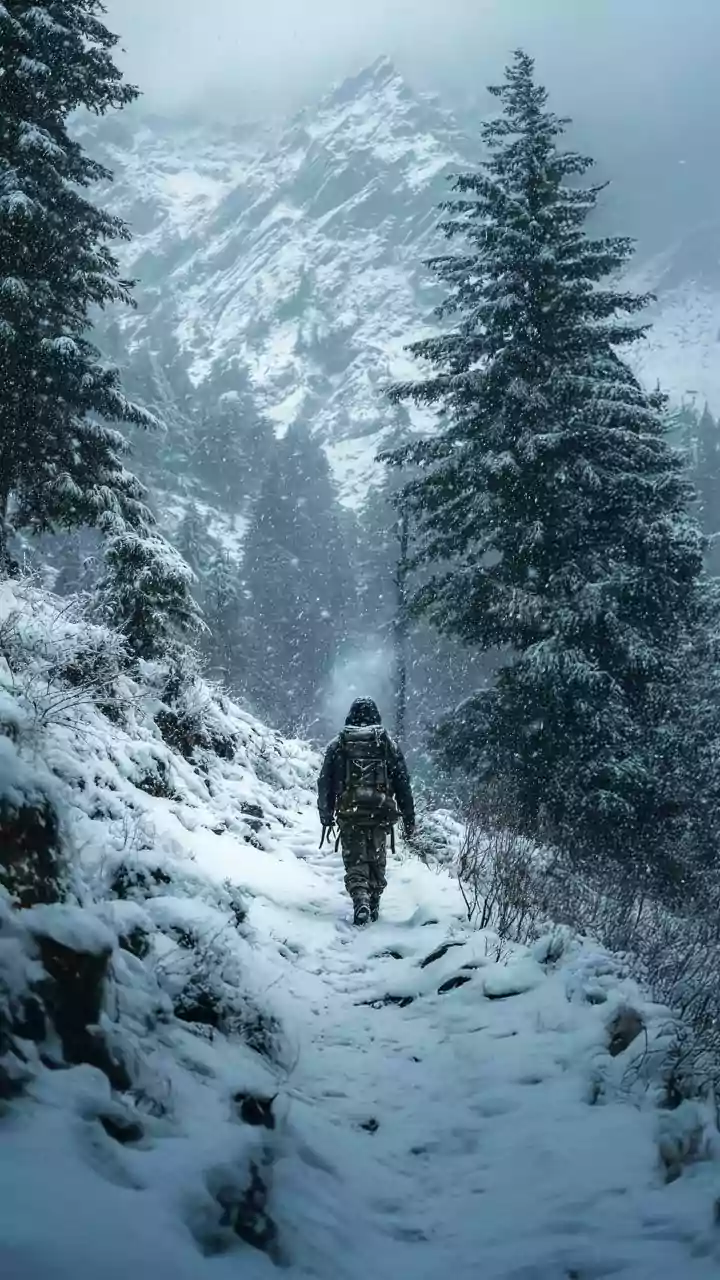
While Hanle holds the official title, other Himalayan valleys offer similarly breathtaking experiences, particularly during the crisp winter months. Spiti Valley in Himachal Pradesh is a prime example. Villages like Langza, Komic, and Kibber, located at extreme altitudes, are renowned for their pristine night skies. Winter here, though harsh, brings long nights and exceptionally clear, dry air, making constellations like Orion and the Pleiades appear dazzlingly bright. The stark, snow-covered landscapes under a canopy of stars create a surreal and unforgettable visual spectacle. Travellers willing to brave the cold are rewarded with a level of clarity that is hard to find anywhere else on the subcontinent.
The Rise of Astro-Tourism
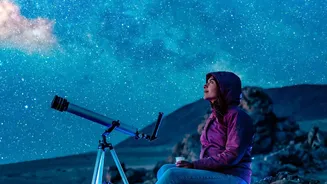
This incredible natural resource is fostering a new wave of sustainable travel known as astro-tourism. Local communities in Ladakh and Spiti are increasingly offering homestays and guided stargazing experiences. This provides an alternative source of income that is both eco-friendly and empowers residents to become custodians of their unique environment. Visitors are not just passive observers; they learn about constellations from local guides, hear traditional stories about the stars, and gain a deeper appreciation for preserving the night sky. This blend of science, culture, and community engagement makes a trip to these valleys more than just a holiday—it’s a connection to the cosmos and the people who live under it.