






The Golden Rule: Warm, Light, and Freshly Cooked
The single most beneficial habit to adopt this monsoon is to favour warm, light, and freshly cooked meals. During the rainy season, increased humidity can weaken our digestive fire, or 'agni' as it's known in Ayurveda. [7, 15] This makes it harder for
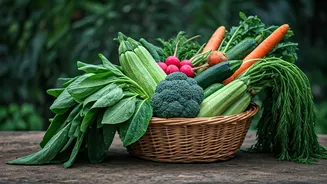
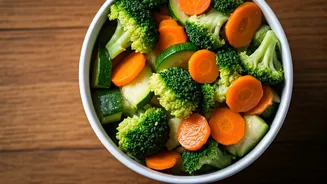
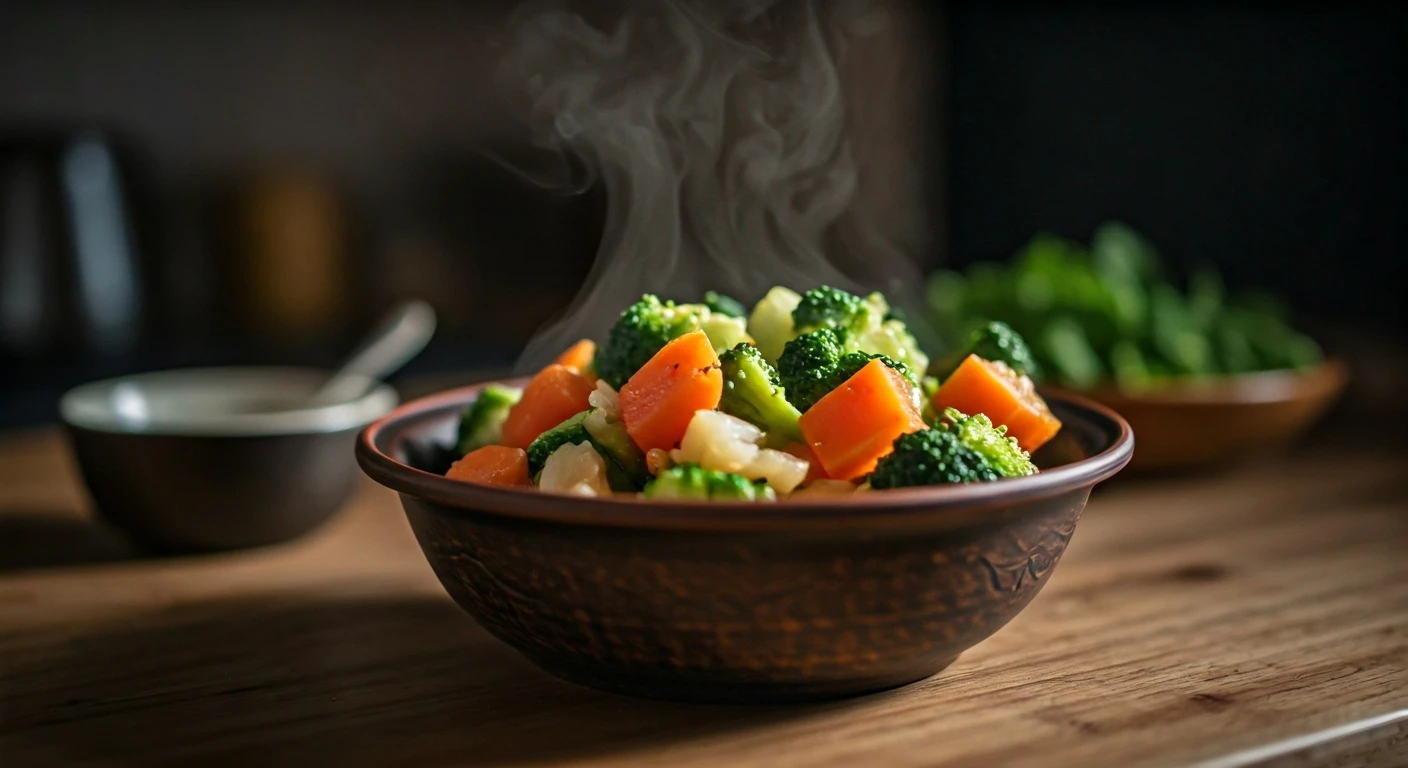
our bodies to process heavy, raw, or cold foods, leading to issues like bloating and indigestion. [2, 4] Switching to warm meals like soups, steamed vegetables, and light dals or khichdi makes digestion easier. [5, 19] Freshly cooking your food also drastically reduces the risk of bacterial contamination, which is rampant in the damp monsoon environment. [10, 12] Think of it as giving your digestive system a comforting break, allowing it to function optimally without being overworked.
Power Up with Immunity-Boosting Spices
Your kitchen spice box is your best ally during the monsoon. Spices aren't just for flavour; many possess powerful medicinal properties that can protect you from seasonal illnesses. Turmeric, a natural antibiotic, is a must-have. [2] Ginger and garlic are celebrated for their anti-inflammatory and antimicrobial properties, helping you fight off colds and flu. [8] Black pepper, cumin (jeera), and asafoetida (hing) not only enhance taste but also aid digestion and prevent gas. [7, 17] A great way to incorporate them is by starting your day with warm herbal tea infused with ginger, tulsi, and a dash of pepper, or by generously adding them to your daily cooking, such as in soups and curries. [16, 17]
Rethink Your Hydration Strategy
While it's important to stay hydrated, *how* you hydrate matters more during the monsoon. Cold beverages and ice from unknown sources can dampen your digestive system and increase the risk of throat infections. [2, 6] The safest and most beneficial practice is to drink boiled or filtered water, preferably served warm. [10, 13] Sipping warm water throughout the day helps flush out toxins and supports digestion. Herbal teas and clear vegetable broths are also excellent choices that keep you warm and hydrated while providing additional nutrients. [17] It's a simple swap that can make a significant difference in preventing water-borne diseases.
Foods to Limit for a Trouble-Free Season
Knowing what to avoid is as crucial as knowing what to eat. Street food, including popular snacks like chaat and pani puri, is a major source of infection and should be avoided. [2, 4, 12] The same goes for pre-cut fruits and raw salads sold by vendors. [4, 6] Leafy green vegetables, which can carry a lot of grit and germs, should be washed meticulously and cooked thoroughly rather than eaten raw. [2, 4] It is also wise to be cautious with seafood, as the monsoon is the breeding season for fish, and the risk of contamination is higher. [3, 4] Finally, while pakoras and other fried foods are tempting, their heavy, oily nature can lead to indigestion and acidity, so it's best to enjoy them in moderation. [3, 4]
Embrace Probiotics for Gut Health
A healthy gut is the foundation of a strong immune system, and this is especially true during the monsoon. [20] The season's challenges can disrupt the delicate balance of your gut microbiome. To counteract this, include probiotic-rich foods in your diet. Homemade curd (yoghurt) and buttermilk are excellent, easily available sources of good bacteria that support gut health. [5, 10, 17] A bowl of fresh curd with your lunch or a glass of spiced buttermilk can aid digestion, prevent bloating, and help your body absorb nutrients more effectively. [13, 21] This simple addition helps fortify your body’s internal defence system from within.