





The Zero-Fee Miracle
Unified Payments Interface (UPI) has been nothing short of a revolution. Since its launch, its core promise has been simple: instant, free digital payments for everyone. This zero-cost model, where neither the customer nor the merchant pays a fee, is the primary
reason for its explosive growth. By making digital transactions as free as cash, UPI onboarded hundreds of millions of users and became the backbone of India's retail payment landscape, processing a staggering 23.66 billion transactions in July 2026 alone. This strategy successfully shifted a massive part of the economy from cash to digital, but it came with a hidden cost: the companies running the infrastructure weren't making money from it.
What is the Proposed Change?
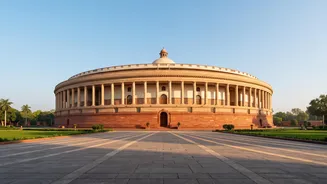
The government is now paving the way to introduce a Merchant Discount Rate (MDR) on certain UPI transactions. An MDR is a fee that merchants pay to payment processors for every digital transaction. The recent Taxation and Other Laws (Amendment) Bill, 2026, which passed the Lok Sabha, removes the legal barrier that enforced the zero-fee rule since 2020. This doesn't impose a fee directly but creates an 'enabling framework' for the government and the NPCI to do so later. Crucially, the government has repeatedly clarified that UPI will remain free for all person-to-person transfers and for the vast majority of merchant transactions, especially those involving small businesses. The focus is on a potential threshold-based system.
Why Charge For UPI Now?
The debate boils down to one word: sustainability. While UPI is free for users, it costs thousands of crores annually to operate and maintain the complex infrastructure. These costs, which include cybersecurity, server maintenance, and fraud prevention, are currently borne by banks and payment service providers (PSPs) like PhonePe, Google Pay, and Paytm. With transaction volumes soaring, these companies are investing heavily without a direct revenue stream from their core UPI service. The government has provided some incentives, but officials believe relying on subsidies alone is not a viable long-term strategy for growth and security. Introducing a structured fee is seen as a way to ensure the ecosystem can fund its own expansion and innovation.
The Threshold-Based Fee Model
The emerging consensus points towards a tiered system where fees only apply to higher-value transactions. Reports suggest a possible MDR of 0.25% to 0.3% could be levied on person-to-merchant payments exceeding a threshold like ₹2,000. This is significant because while payments over ₹2,000 are only about 5% of UPI transactions by volume, they represent nearly two-thirds of the total value transferred. This approach aims to protect small, everyday payments—like buying groceries or paying for a rickshaw—from any charges, while asking larger businesses to contribute to the system's upkeep. The final decision on the rate and threshold will be made by an NPCI-led committee after the bill becomes law.
The Impact on Payment Apps
For payment giants like PhonePe and Google Pay, which dominate the UPI market, this is a pivotal moment. A regulated MDR would create a much-needed revenue stream, allowing them to monetize the massive user base they've built. It would help them recover operational costs and invest further in technology. However, it also introduces a new competitive dynamic. If merchants start getting charged, they might become more selective about which payment apps they promote. While the government has assured that consumers won't be charged directly, there's always a risk that larger merchants could pass on the MDR to customers in the form of higher prices or convenience fees, which could sour the user experience.
The Government's Tightrope Walk
Regulators are facing a delicate balancing act. On one hand, they need to ensure the financial health and security of a critical national infrastructure. On the other, they must preserve the very thing that made UPI a global success story: its accessibility and affordability. The government's messaging has been cautious, stressing that UPI is a public good and will remain free for citizens and small merchants. The proposed framework appears to be a compromise—an attempt to introduce a sustainable revenue model for payment providers without disrupting the digital payment habits of hundreds of millions of Indians or discouraging small merchants from participating in the digital economy. The final framework will reveal how successfully they navigate this challenge.