




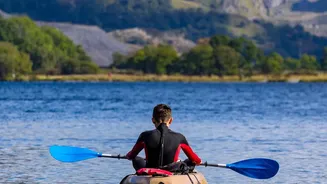

Paddling with a Conscience
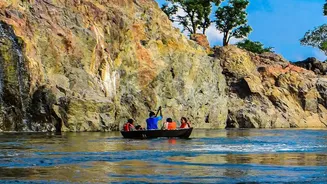
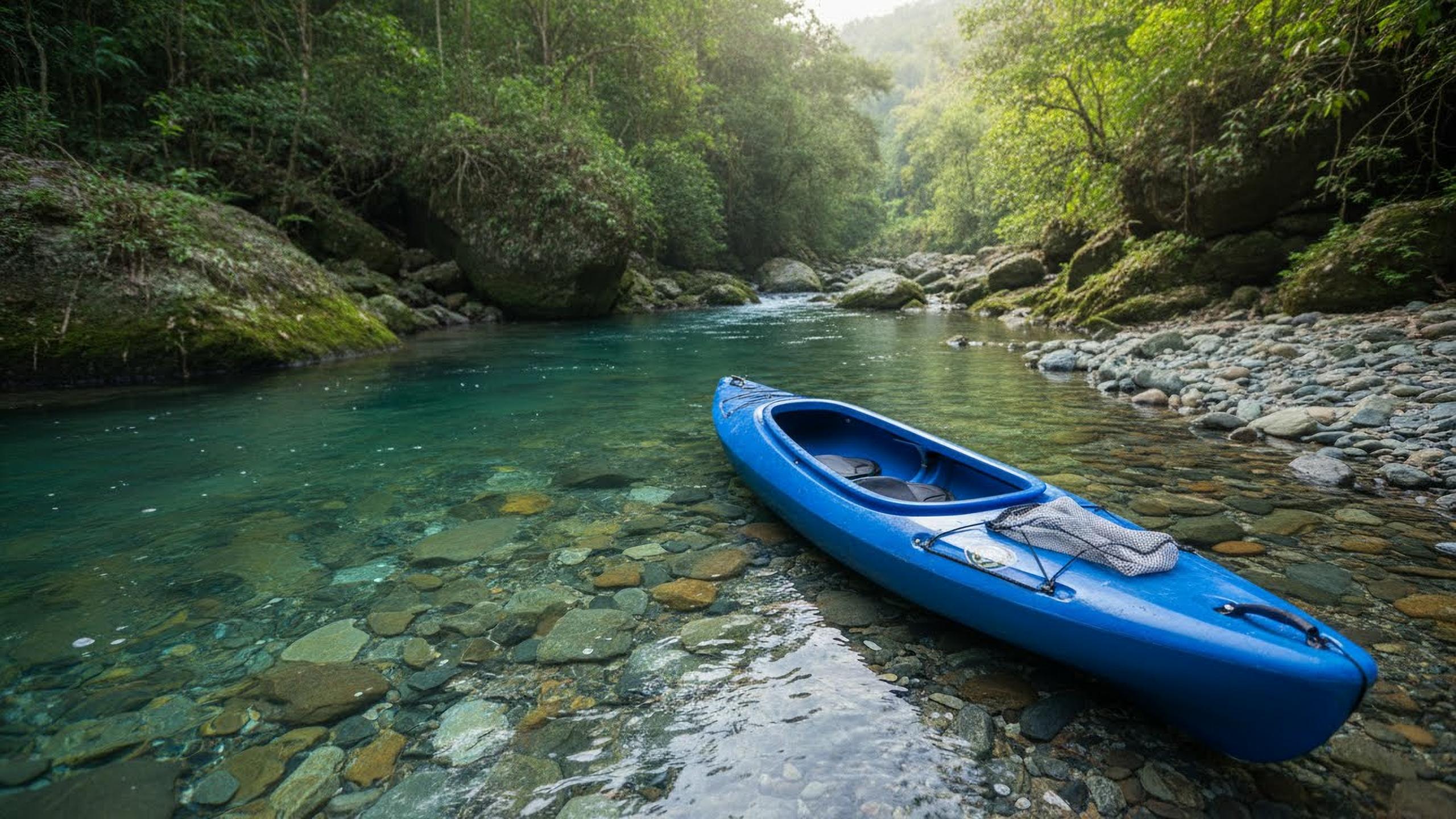
In the heart of northeast India, Meghalaya’s rivers carve through lush green hills, offering some of the most breathtaking landscapes in the country. While images of boats seemingly floating on air over the transparent waters of the Umngot River have
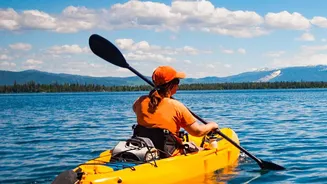
captivated travellers worldwide, a deeper story of sustainable adventure is unfolding. Local tour operators and communities are embracing eco-conscious practices, ensuring that kayaking and other water activities not only provide thrilling experiences but also help preserve the fragile ecosystems they depend on. These initiatives focus on a 'leave no trace' philosophy, active waste management, and involving local communities, ensuring that tourism revenue directly supports the people who call these riverbanks home. This approach allows visitors to glide through serene waters knowing their adventure contributes positively to the region.
The Unforgettable Umngot River
The star attraction for kayakers is undoubtedly the Umngot River, which flows through the villages of Dawki and Shnongpdeng near the India-Bangladesh border. Famous for its startling clarity, the river's emerald-green water is so transparent that the riverbed is clearly visible from the surface. Kayaking here is a surreal experience; it's a beginner-friendly activity on mostly calm waters, making it accessible to families and first-timers. As you paddle, you'll pass under rustic suspension bridges and see local life along the banks. Tour providers in Shnongpdeng, which many consider to have even clearer water than the more crowded Dawki area, offer guided kayaking trips that emphasize safety and respect for the natural environment.
Beyond Dawki: Exploring Other Waterways
While Umngot is the most famous, Meghalaya is crisscrossed with numerous rivers offering diverse kayaking experiences. The Kynshi River, for instance, offers stretches ideal for both serene paddling through gorges and more thrilling whitewater sections for experienced kayakers. In the Ri-Bhoi district, the Umtrew River has become a hub for adventure sports, even hosting the Megha Kayak Festival. Here, the Shillong Whitewater Village offers a place for beginners to learn the basics in a sustainable, natural setting. Exploring these lesser-known rivers allows for a more intimate connection with Meghalaya's wilderness, away from the main tourist trails.
How to Plan Your Sustainable Trip
To make your kayaking trip both memorable and responsible, timing is key. The best period to visit is between October and April, when the monsoon has passed, and the rivers are at their clearest and calmest. During the monsoon (roughly May to September), heavy rains can make the waters muddy and unsafe. When choosing an operator, look for those that explicitly mention their commitment to eco-tourism. This can include employing local guides, managing waste responsibly, and respecting wildlife. Many riverside camps, particularly in Shnongpdeng, are built on eco-conscious principles. Always listen to your local guides, as they have intimate knowledge of the rivers and their unpredictable nature. Pack light, carry a reusable water bottle to minimize plastic waste, and be prepared to pack out everything you bring in.