





The magical duo of earthy, smoky cumin (jeera) and tart, tangy tamarind (imli) is a cornerstone of Indian flavour. This iconic pairing creates a taste that is complex, refreshing, and deeply satisfying, ready to elevate your everyday cooking.
The Ultimate Sweet and Sour Chutney
The most
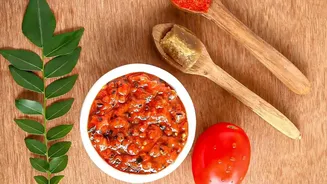
versatile application of this flavour combination is a classic Imli ki Chutney. This sweet, sour, and gently spiced condiment is the lifeblood of Indian street food and snacks. To make a simple version, you start by creating a tamarind purée by soaking dried tamarind in hot water and straining it. Then, simmer this purée with a sweetener like jaggery or sugar. The magic happens when you introduce the spices: toasted cumin powder is essential for a deep, smoky aroma, along with a pinch of red chilli powder for heat and black salt (kala namak) for its unique sulphuric tang. The result is a glossy, pourable sauce that can be stored for weeks. It's the perfect dip for samosas and pakoras or can be drizzled over dahi vadas.
A Punchy Marinade for Grills and Tikkas
Take your grilled dishes to the next level with a cumin-tamarind marinade. The acidity in tamarind acts as a natural tenderiser for meats, while the cumin provides a warm, savoury crust. To create a marinade, mix tamarind paste with yoghurt, ginger-garlic paste, ground cumin, coriander powder, and a touch of garam masala. This mixture works wonderfully for paneer tikka, chicken, fish, or even robust vegetables like cauliflower and potatoes. Let your protein or vegetables sit in this flavourful blend for at least 30 minutes before grilling, pan-frying, or roasting. The tamarind helps create a beautiful caramelisation and a tangy glaze, while the cumin infuses the dish with its signature earthy notes.
Elevate Your Lentils and Legumes
A dash of tamarind and a tempering of cumin seeds can transform a simple dal or chickpea curry into something extraordinary. In dishes like Chana Masala, tamarind provides a sour counterpoint to the rich, tomato-based gravy. Typically, you would add a small amount of tamarind paste or concentrate towards the end of the cooking process. The dish often starts with blooming whole cumin seeds in hot oil or ghee to release their fragrance, which forms the aromatic foundation of the curry. This combination works especially well in lentil soups and dark, slow-cooked dals, where the tanginess of the imli cuts through the richness and the jeera adds a layer of comforting warmth.
A Refreshing Cumin-Tamarind Cooler (Jaljeera)
Cumin and tamarind are not just for savoury dishes; they are the stars of one of India’s most popular cooling drinks, Jaljeera. The name itself translates to 'cumin water'. This tangy, spicy, and refreshing beverage is known for its digestive properties. To make it, a paste is created by blending fresh mint and coriander leaves with ginger, green chillies, tamarind pulp, roasted cumin powder, and black salt. This concentrate is then diluted with chilled water and sometimes a squeeze of lemon. Served with a garnish of boondi (small, crispy chickpea flour balls), Jaljeera is the perfect appetiser or a revitalising drink on a hot day.
The Secret to Sensational Chaat
It is impossible to imagine Indian chaat—the diverse family of savoury snacks—without the signature sweet and sour tamarind-cumin chutney. Whether it’s Bhel Puri, Sev Puri, or Aloo Tikki Chaat, this sauce is a non-negotiable ingredient. It provides the essential 'khatta-meetha' (sour-sweet) flavour profile that balances the spice from green chutney, the crunch from sev (crispy noodles), and the creaminess of yoghurt. Simply drizzle the prepared tamarind and cumin chutney over your assembled chaat ingredients. Its role is to tie all the disparate textures and flavours together, creating that addictive, multi-layered taste experience that makes chaat so beloved across the country.