



Master Your Clothing Strategy
The golden rule of monsoon trekking is to avoid cotton. Cotton and denim absorb a tremendous amount of water, becoming heavy and taking a very long time to dry, which can lead to discomfort and even a dangerous drop in body temperature. Instead, opt for synthetic,
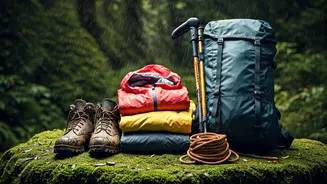
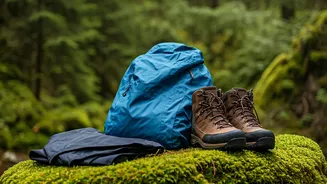
quick-drying fabrics like polyester or nylon for your t-shirts and trekking pants. These materials wick moisture away from your body, dry quickly even in high humidity, and keep you relatively warm even when damp. Layering is also crucial. A moisture-wicking base layer, followed by a fleece for warmth if needed, and topped with a reliable waterproof and breathable rain jacket is the ideal combination. Many trekkers also prefer convertible pants that can be turned into shorts.
Choose Your Footwear Wisely
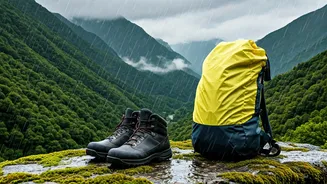
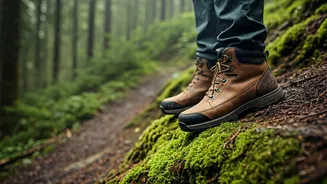
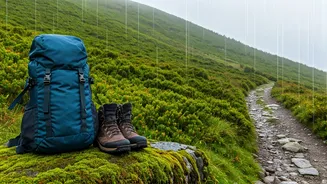
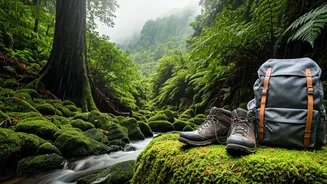
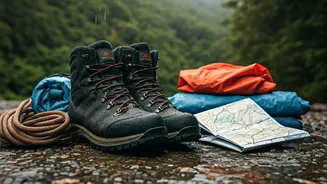
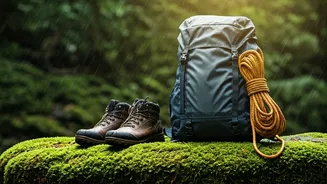
Your shoes are your most critical piece of gear on a slippery, muddy trail. Regular sports shoes or sneakers lack the necessary grip and will quickly become waterlogged and useless. Invest in proper trekking shoes with deep lugs or grooves on the sole for excellent traction on wet rocks and slush. Ankle support is another non-negotiable feature, as it helps prevent twists and sprains on uneven terrain. While waterproof boots are a popular choice, some experienced trekkers prefer water-resistant, quick-drying shoes paired with waterproof socks, arguing that fully waterproof boots can trap sweat. Whichever you choose, be sure to break them in before your trek to avoid painful blisters.
Implement a 'Dry-Bag' System
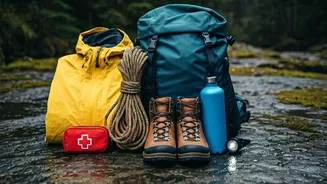
Keeping your belongings dry is a constant battle during a monsoon trek. The first line of defence is a good quality backpack with a dedicated rain cover. However, in a heavy downpour, moisture can still seep in. A smarter strategy is to waterproof your gear from the inside out. Use dry sacks or, as a budget-friendly alternative, thick plastic bags to compartmentalise your belongings. Keep separate bags for electronics, spare clothes, and food. Ziplock bags are perfect for protecting your phone, power bank, and camera from any water damage. This system ensures that even if your backpack gets damp, your essential items remain perfectly dry and functional.
Prioritise Navigation and Safety
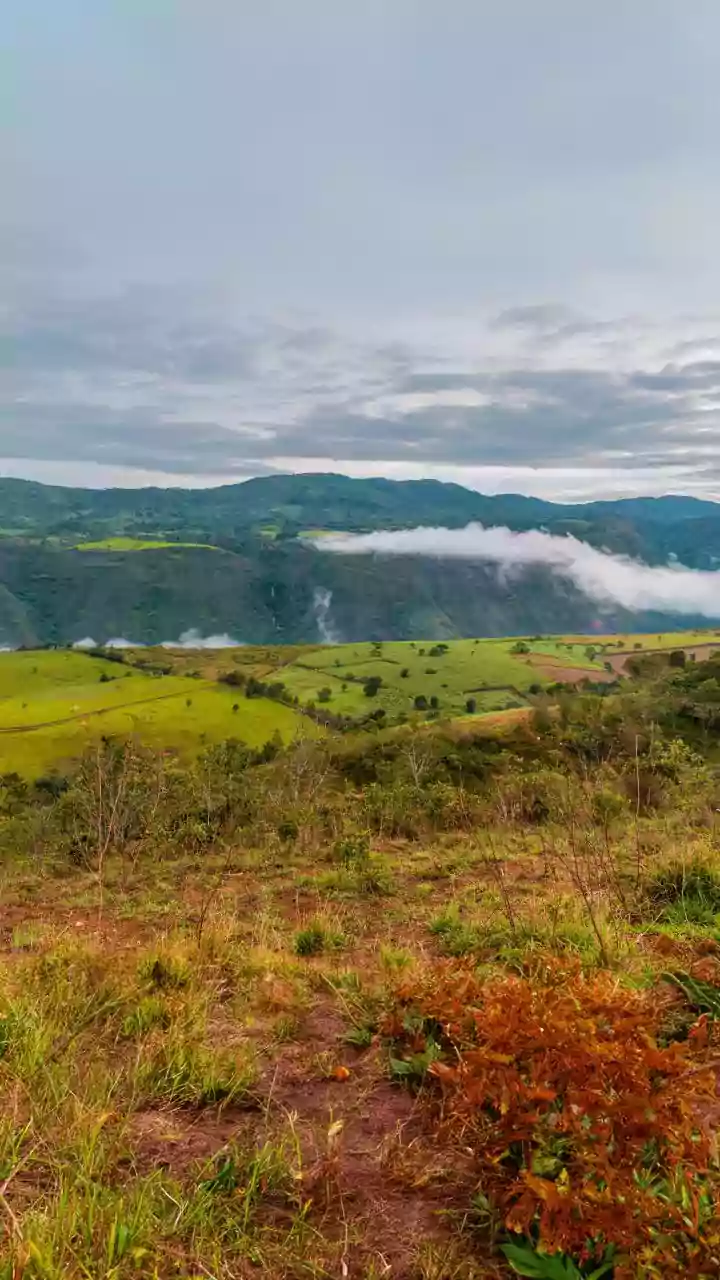
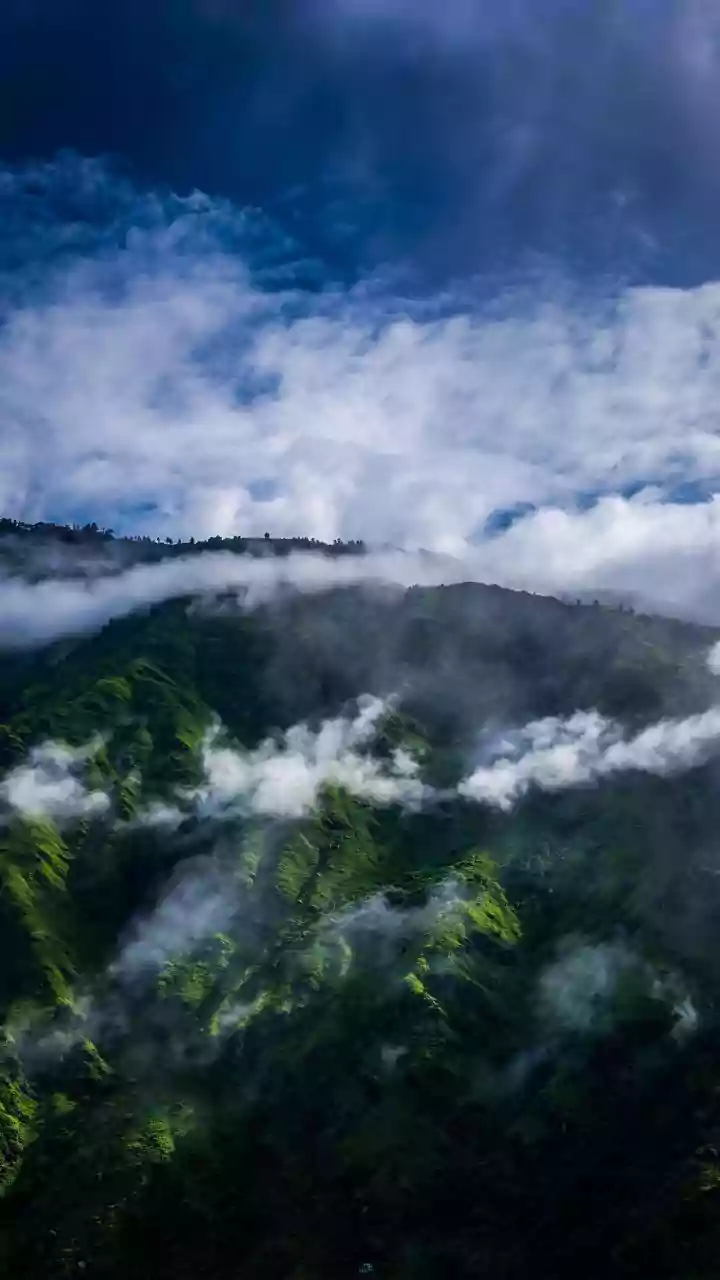
Monsoon conditions can change rapidly, with fog and clouds reducing visibility in minutes. It's crucial to start your trek early to make the most of the daylight. Always check the weather forecast before you leave. Never rely solely on mobile networks, which can be patchy in remote areas. Download offline maps of your route. Sticking to marked trails is essential, as shortcuts can be treacherous and overgrown during the monsoon. A basic first-aid kit is mandatory. Include antiseptic wipes, bandages, pain relievers, and, importantly for monsoon treks, salt or a sanitiser to deal with leeches, and a good insect repellent.
Don't Forget Hydration and Energy
It might seem counterintuitive when it's raining, but dehydration is a real risk on monsoon treks. The cool weather can trick you into thinking you don't need to drink water, but you are still exerting energy and sweating. Carry at least two litres of water and sip it regularly. Avoid drinking directly from streams, as monsoon runoff can contaminate the water. Use a portable water filter or purification tablets. To keep your energy levels up, pack light, high-energy snacks like nuts, energy bars, and dried fruit instead of a heavy meal.
The Underrated Value of Trekking Poles
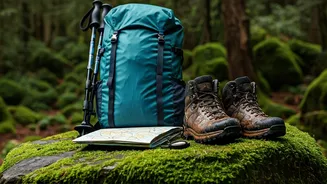
Trekking poles are often overlooked but are incredibly valuable during the monsoon season. Trails become muddy and extremely slippery, making it difficult to maintain balance. Poles provide two extra points of contact with the ground, significantly improving your stability, reducing the strain on your knees during descents, and helping you navigate tricky sections with confidence. They are indispensable for testing the depth of puddles or the stability of a rocky path before you commit your weight.