

The Building Blocks of Life
First, a quick refresher. Proteins are essential macronutrients that act as the primary building blocks for your entire body. They are crucial for building and repairing tissues, creating enzymes and hormones, and supporting immune function. Think of
them as the fundamental construction crew for everything from your muscles and skin to your hair and internal organs. But proteins themselves are made of smaller units called amino acids. When you eat a protein-rich food, your body breaks it down into these individual amino acids and then reassembles them to build the specific proteins it needs.
Meet the 'Essential' Nine
There are 20 different amino acids your body uses, but they fall into two main categories: non-essential and essential. Non-essential amino acids can be produced by your body, so you don't need to get them from food. The other nine, however, are called essential amino acids because your body cannot make them. You must get these from your diet. The nine essential amino acids are histidine, isoleucine, leucine, lysine, methionine, phenylalanine, threonine, tryptophan, and valine. Without an adequate supply of all nine, your body’s ability to build and repair itself is compromised.
Decoding 'Complete' Protein
This brings us to the idea of a 'complete' protein. A food source is considered a complete protein when it contains all nine essential amino acids in sufficient quantities. Animal-based foods like meat, fish, eggs, and dairy are typically complete proteins. Most plant-based foods, on the other hand, are often referred to as 'incomplete' because they are low in one or more essential amino acids. The specific essential amino acid that is lowest in a food is called its 'limiting amino acid'. This doesn't mean plant proteins are inferior; it just means we need to be a little smarter about how we eat them.
How Scientists Measure Protein Quality
To standardize all of this, scientists developed protein quality scores. The most established is the Protein Digestibility Corrected Amino Acid Score (PDCAAS). This score measures a protein based on two factors: its amino acid profile and its digestibility—how much your body can actually absorb and use. Scores range from 0.0 to a top score of 1.0. A score of 1.0 indicates a high-quality, highly digestible protein that provides all essential amino acids. A newer method called the Digestible Indispensable Amino Acid Score (DIAAS) is also used in research, offering a more detailed analysis. These scores help confirm the nutritional value of different protein sources.
The Genius of Food Pairing
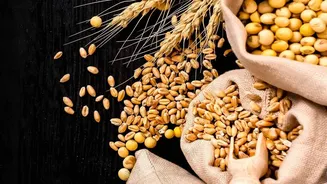
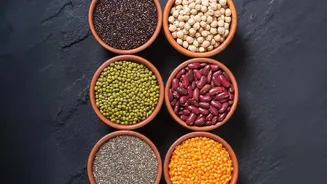
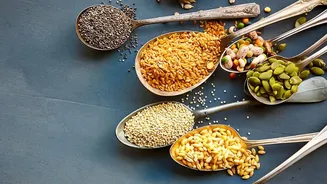
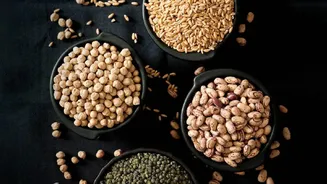
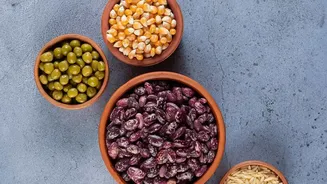
This is where the magic of combining foods comes in. Legumes (like lentils, beans, and chickpeas) and grains (like rice and wheat) are a perfect example of complementary proteins. Grains are generally low in the essential amino acid lysine but contain adequate amounts of methionine. Legumes are the opposite; they are rich in lysine but low in methionine. When you eat them together, their amino acid profiles complement each other, filling in the gaps. The lysine from the legumes makes up for the shortfall in the grains, and the methionine from the grains compensates for the lack in the legumes. The result is a meal that provides a complete amino acid profile, similar to what you’d get from an animal source.
Complete Proteins on Your Plate
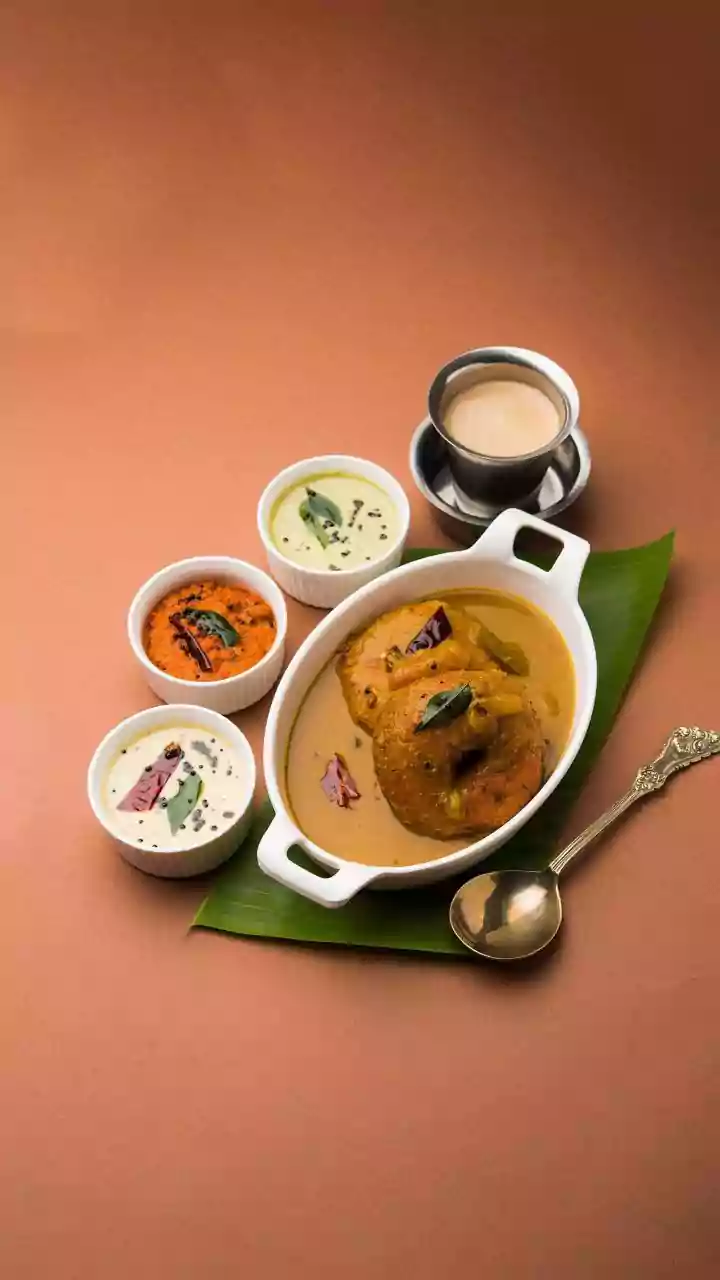
Many traditional Indian meals have been built on this nutritional wisdom for centuries, even if it wasn't called 'protein combining'. Think of classic comfort foods: dal with rice, rajma with chawal, or chickpeas with bhature. Even a simple meal of roti (a grain) with a lentil-based sabzi is a perfect pairing. Hummus (made from chickpeas) served with pita bread (a grain) is another classic example found across the world. These combinations aren't just delicious and culturally significant; they are nutritionally brilliant, ensuring that a vegetarian meal can be robust and fully sustaining.
A Modern View: Do You Need to Pair at Every Meal?
For years, the advice was to meticulously combine these complementary proteins in the same meal. However, modern nutritional science has updated this view. Research now shows that your body maintains a 'pool' of free amino acids from the foods you eat throughout the day. This means you don't necessarily have to eat rice and beans in the exact same mouthful. As long as you consume a variety of plant protein sources—legumes, grains, nuts, and seeds—over the course of the day, your body can pull the necessary amino acids from its reserve to build the complete proteins it needs. The old dogma of strict combining at every single meal has been debunked.