




First Glance: Identify the Millet Type
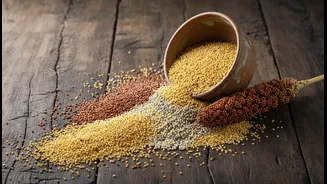
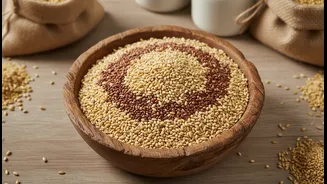
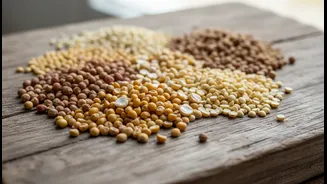
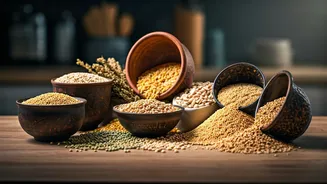
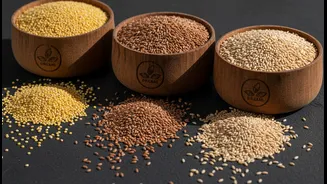
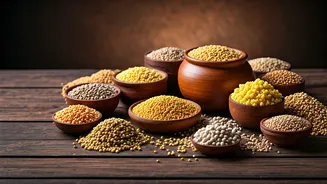
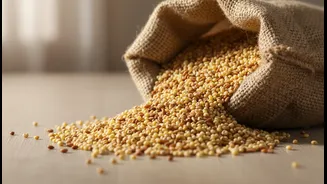
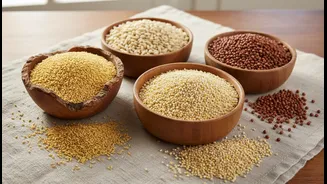
Before you get into the details, check what kind of millet you're buying. India is home to many varieties, each with its own nutritional profile. Common types you'll find include Ragi (Finger Millet), Jowar (Sorghum), and Bajra (Pearl Millet). Ragi, popular
in South India, is a calcium powerhouse, making it great for bone health. Bajra, a staple in Rajasthan and Gujarat, is rich in iron and magnesium and is known to keep the body warm in winter. Jowar is prized for being high in protein and fibre, aiding digestion and helping to regulate blood sugar. Other varieties like Foxtail Millet (Kangni) and Little Millet (Kutki) are also gaining popularity for their unique benefits. Knowing the type helps you align the grain with your specific dietary needs.
The Processing Puzzle: Polished vs. Unpolished
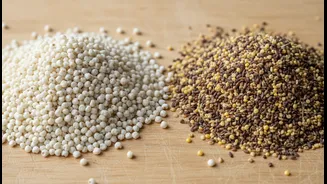
This is one of the most crucial details on the label. Millets, in their natural form, have a nutritious outer layer called the bran. 'Unpolished' millets retain this bran, which is packed with fibre, minerals, and antioxidants. They have a nuttier flavour and take slightly longer to cook but offer maximum health benefits. 'Polished' millets, on the other hand, have had their bran and germ mechanically removed. This process makes them cook faster and gives them a longer shelf life, but it strips away a significant amount of nutrients, especially fibre. Polishing can remove up to 70% of the dietary fibre and 60-70% of iron. Some labels might say 'semi-polished', which is a middle ground but still less nutritious than unpolished. For the full health benefits, always opt for unpolished millets.
Decoding the Nutrition Panel
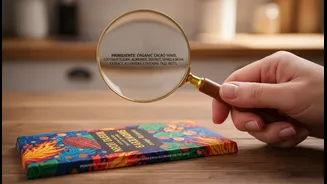
The nutrition facts table, mandatory on packaged foods in India, is your best friend. Look for it per 100g to easily compare products. The first thing to check for in millets is dietary fibre. Unpolished millets should have a high fibre content, often between 8g to 12g per 100g. This fibre is key for good digestion, blood sugar control, and feeling full. Next, check the protein content, which can range from 6g to 13g per 100g. Also, look at the ingredients list. According to FSSAI regulations, ingredients must be listed in descending order by weight. If you're buying a millet-based product like cookies or dosa mix, make sure millet is the first ingredient. If sugar or wheat flour (maida) is listed first, it’s not as healthy as it seems.
The Truth About 'Organic' and Other Claims
The word 'organic' is often used as a marketing buzzword, but in India, it's a regulated claim. To be sure a product is genuinely organic, look for the 'Jaivik Bharat' logo, which is the unified mark from FSSAI for certified organic food. This is usually accompanied by either the 'India Organic' logo (for NPOP certification, common for exported goods) or the 'PGS-India Organic' logo (a community-based system for small farmers). A product claiming to be organic without these logos might not be verified. Also be wary of vague claims like "all-natural" or "diabetic-friendly," which aren't regulated. The nutritional panel is a more reliable source of information. Most millets are naturally gluten-free, making them a great choice for those with celiac disease or gluten intolerance.
Don't Forget the Basics
Finally, always check the fundamental details that apply to all packaged foods. Look for the FSSAI logo and license number, which is a mandatory mark of compliance with India's food safety standards. Check the 'Date of Manufacture' and 'Best Before' or 'Expiry Date' to ensure you're buying a fresh product. Unpolished millets have a shorter shelf life because the natural oils in the bran can go rancid over time, so checking the date is especially important. The label should also include the net quantity, the manufacturer's name and address, and any specific storage instructions, such as keeping it in a cool, dry place in an airtight container.