


The New Festive Platter
The familiar aromas of ghee-laden ladoos and crispy samosas still fill the air, but they are now joined by new, healthier interpretations of old favourites. This isn't about deprivation or replacing joy with discipline. Instead, it’s a conscious shift
towards mindful eating, where families are finding a happy balance between tradition and well-being. The trend is driven by a growing awareness that festive indulgence doesn't have to result in post-celebration sluggishness or guilt. It's about making small, intelligent choices that honour both heritage and health, ensuring that the spirit of celebration remains vibrant and nourishing.
Why the Shift to Mindful Eating?
Several factors are contributing to this culinary evolution. A greater understanding of lifestyle-related health issues has made people more conscious of what they eat, even during festivals. The focus has shifted from mindless consumption to enjoying food that makes you feel good long after the meal is over. This change is not about completely abandoning cherished recipes but rather about adapting them to fit modern wellness needs. Nutritionists and chefs alike are championing this balanced approach, emphasizing that mindful indulgence is more sustainable than strict avoidance, which can lead to feelings of deprivation. The goal is to celebrate wholeheartedly, without compromising on health.
Smart Swaps and Healthier Methods
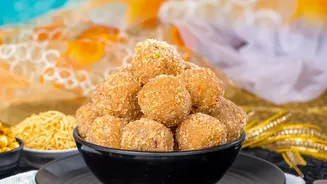
The key to this new wave of festive cooking lies in smart ingredient substitutions and updated cooking techniques. Refined sugar is frequently being replaced by natural sweeteners like jaggery, dates, or honey, which offer a lower glycemic index and added nutrients. Similarly, refined flour (maida) is giving way to whole grains and millets like ragi, bajra, and jowar, which are rich in fibre. These ancient grains, once staples of the Indian diet, are being rediscovered for their versatility in everything from ladoos and halwas to savoury snacks. Cooking methods are also getting a makeover. Deep-frying, long the standard for snacks like samosas, gujiyas, and chaklis, is now often replaced by baking, air-frying, or roasting. These techniques significantly reduce the oil content while still delivering a satisfying crunch, making festive favourites lighter and easier to digest.
Tradition Meets Modern Wellness
This movement is not about erasing generations of culinary history but about thoughtfully evolving it. Prominent chefs like Sanjeev Kapoor advise that the "soul of the dish" should remain intact. A baked gujiya or a millet-based ladoo is still a gujiya or a ladoo at its core, carrying the same festive significance. The focus is on using high-quality ingredients and letting their natural flavours shine without being masked by excessive sugar or fat. For example, a traditional rice kheer can be reimagined using foxtail millet and jaggery for a dessert that is both delicious and fibrous. Steamed modaks are another classic example, offering a lighter alternative to their deep-fried counterparts without losing their festive charm. This approach proves that tradition and health can coexist beautifully on the festive plate.
Celebrating Without the Guilt
Ultimately, this mindful approach enhances the festive experience. It allows for sustained energy throughout the celebrations and eliminates the common feeling of heaviness or guilt associated with overindulgence. By prioritising portion control and choosing nutrient-dense options, people can savour their favourite treats without worry. This balanced mindset fosters a healthier, more positive relationship with food, where every bite can be enjoyed fully. It transforms festive eating from a potential source of stress into a pure expression of joy, community, and well-being, allowing everyone to partake in the celebrations in a way that feels good for both body and soul.