


The Flavour We All Know and Love
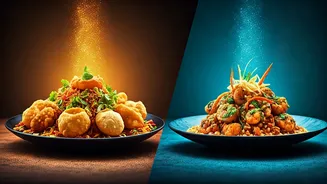
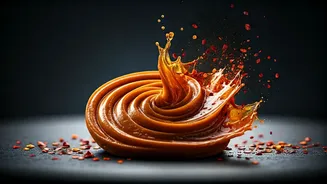
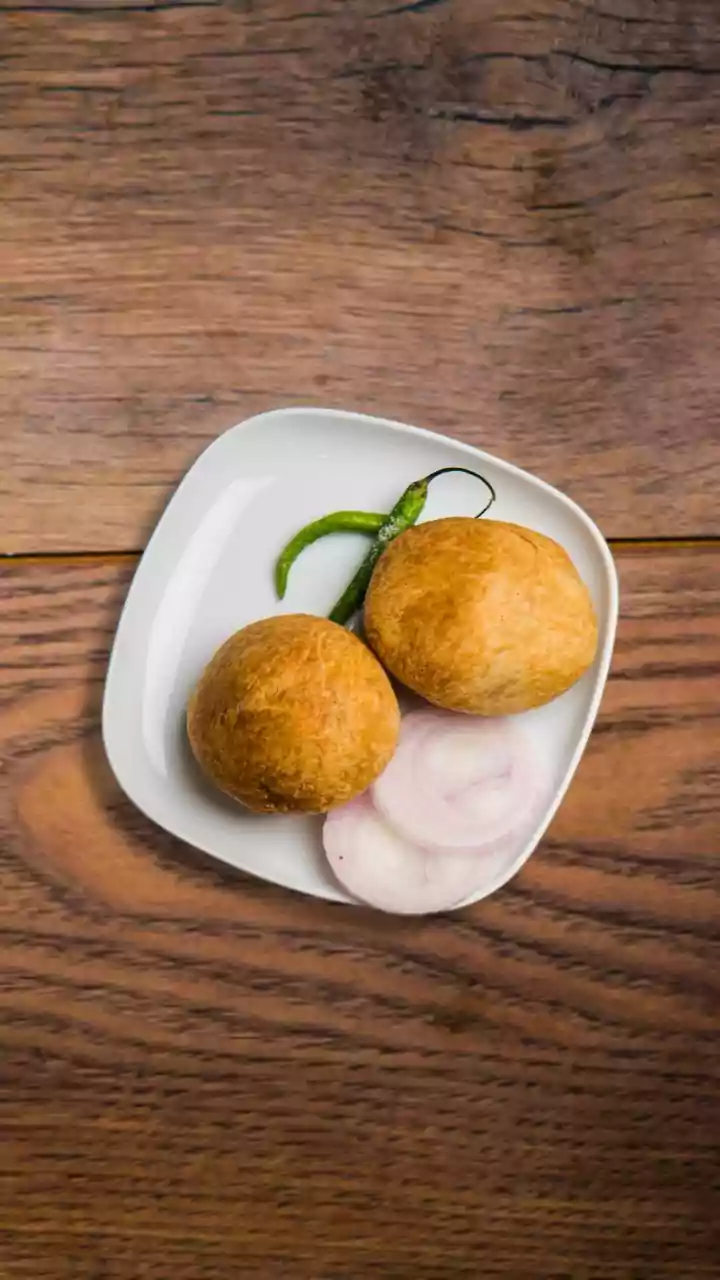
If you've ever had pani puri, bhel puri, or aloo tikki chaat, you've experienced chatpata. [25] It’s not a single taste but a thrilling symphony of sensations designed to wake up the entire palate. [7, 8] It’s the puckering tang of tamarind and amchur
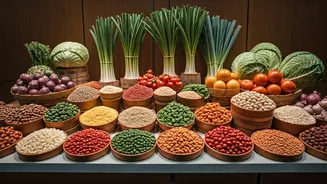
(dried mango powder), the slow burn of chilli, the funky depth of kala namak (black salt), and the balancing sweetness of jaggery or dates, all colliding in one joyful bite. [7, 8] For generations, the undisputed home of this flavour was the street, skillfully orchestrated by 'chaatwalas' who served up these quick, affordable, and unforgettable snacks. [8] For a long time, these tastes were considered distinct from the food you'd eat in a restaurant or at home. [8] That wall is now crumbling.
From the Street to the High Table
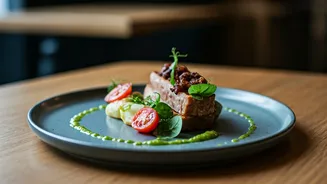
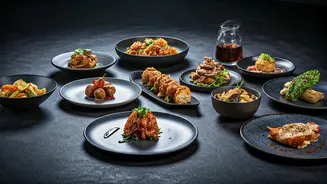
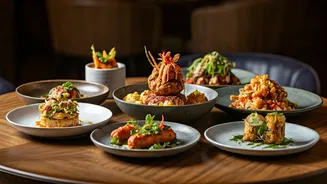
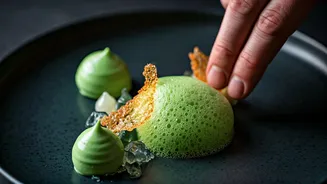
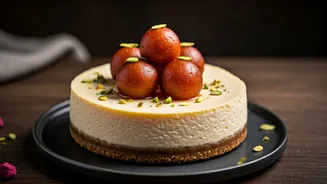
Perhaps the most surprising new home for chatpata is the world of fine dining. [8] Acclaimed chefs are deconstructing and reimagining classic street foods, applying their complex flavour principles to sophisticated, multi-course meals. [8] Chef Manish Mehrotra of the world-renowned Indian Accent, for example, is famous for elevating street food dishes, driven by a sense of nostalgia. [2, 5] He transformed Old Delhi's seasonal Daulat ki Chaat into a year-round dessert and is known for his inventive take on golgappas. [2, 6] Similarly, Chef Hussain Shahzad at The Bombay Canteen has celebrated Mumbai’s street culture with creations like a Chilled Sea Bass Sev Puri, keeping the heart of the original while adding a fresh twist. [2, 19] This isn't about simply copying street food; it’s about honouring its soul while presenting it in a new, exciting context, often using modern techniques and premium ingredients like burrata or sea bass. [2, 19]
The Supermarket Aisle Invasion
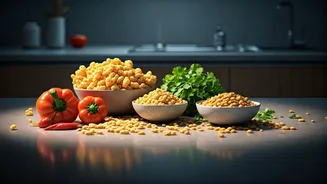
The chatpata revolution isn't just happening in elite kitchens; it’s also taking over the snack aisle in your local kirana store and supermarket. [8] For years, brands have understood the mass appeal of this flavour profile. Lay's 'Magic Masala' flavour is a perfect example, offering a powdered, ready-to-eat version of the chatpata experience that has been massively successful. [8] But now, the trend is expanding. Health-conscious brands are launching roasted millet snacks, jowar chips, and quinoa puffs, all seasoned with chatpata masala. [16, 20] From popcorn and instant noodles to marinades and spice mixes, companies are recognizing that 'chatpata' has become the default 'exciting' flavour for a huge range of packaged foods, far beyond just potato chips. [8, 24]
Why Is This Happening Now?
Several factors are driving this migration of flavour. Firstly, there's a powerful element of nostalgia. Chefs and consumers alike have fond childhood memories associated with street food, and this trend allows them to reconnect with those tastes in new settings. [2, 5] Secondly, it reflects a growing confidence in Indian cuisine. For years, Indian restaurants, especially abroad, often focused on a standard menu of curries. Now, chefs are proudly championing regional and street-level flavours, refusing to dilute them for a perceived global palate. [4, 15] This is part of a broader culinary movement that celebrates the complexity and diversity of Indian food. [19] The Godrej Food Trends Report for 2026 identified the rise of bold, piquant, chatpata flavours as a top trend, predicting a move toward "flavour collision" dishes and unapologetic, layered profiles. [11] It seems diners no longer want safe, one-note meals; they crave the dynamic, multi-sensory experience that chatpata delivers best. [13]