



The Psychology of Touch
Before we dive into the 'how', let's understand the 'why'. A room filled with only flat, smooth surfaces—think laminate floors, plain painted walls, and simple cotton upholstery—can feel cold, sterile, and one-dimensional. Our eyes glide right over it.
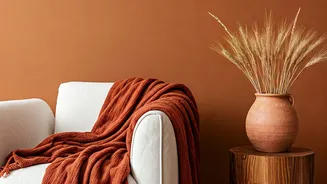
Texture forces the eye to slow down. It adds visual weight and complexity. A chunky knit throw, a rough-hewn wooden table, or a plush velvet cushion invites not just your eyes, but also your sense of touch. This multi-sensory experience is subconsciously associated with quality, craftsmanship, and comfort. It creates a 'lived-in' luxury that feels authentic and expensive, far more than shiny, new, but ultimately flat items ever could.
Start with Layering Textiles
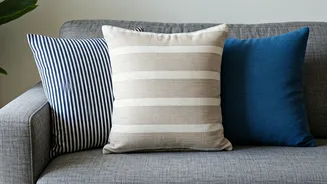
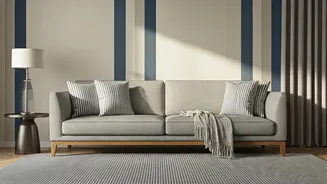
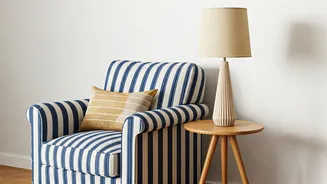
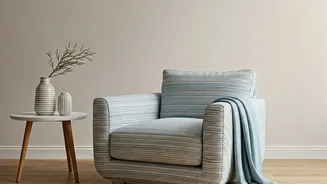
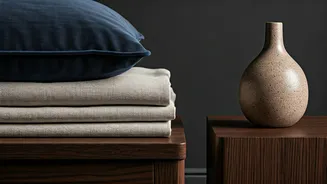
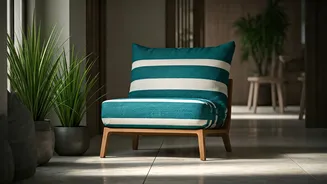
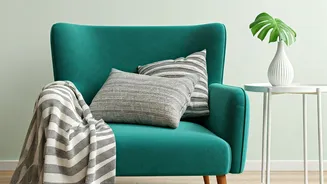
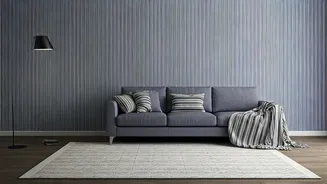
The easiest and most affordable way to introduce texture is through textiles. Think of your sofa or bed as a canvas. Start layering. Instead of using a matching set of cushions, mix and match. Pair a smooth, cool linen cushion with a rich, soft velvet one. Add another with intricate embroidery or a woven pattern. On your bed, ditch the matching quilt set. Instead, layer a crisp cotton sheet with a waffle-weave duvet cover and a chunky wool or faux-fur throw at the end. The contrast is key. The interplay between the different materials creates instant depth and sophistication, making the entire setup look curated and thoughtfully designed.
Don't Forget the Floor
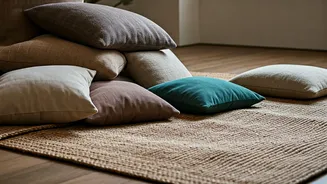
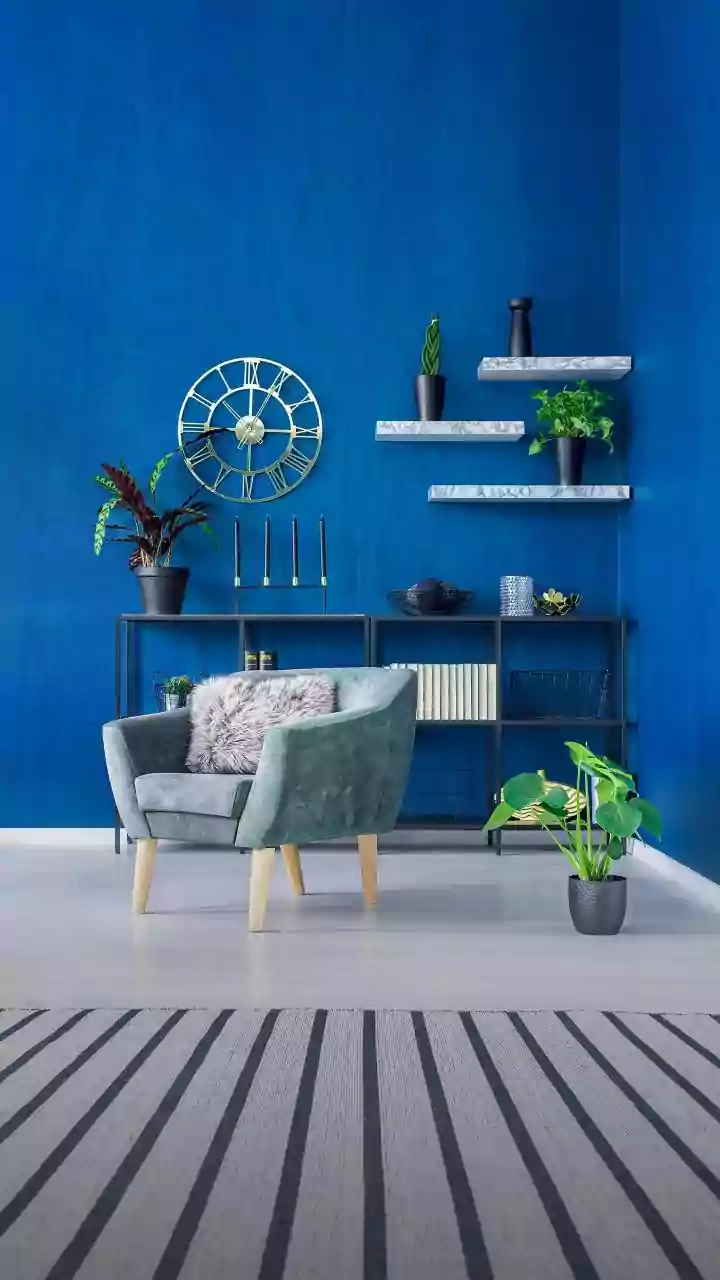
A bare floor is a missed opportunity. A good rug is the anchor of a room, and a textured one can transform its entire feel. A high-pile shaggy rug can make a living room feel cosy and inviting. A flat-weave jute or sisal rug introduces a natural, earthy element that feels both rustic and chic—perfect for high-traffic areas. Even layering rugs, a design-forward trick, can add immense character. Try placing a smaller, plush rug on top of a larger, neutral jute one to define a seating area. This not only adds double the texture but also makes the space feel more intentional and professionally styled.
Incorporate 'Hard' Textures
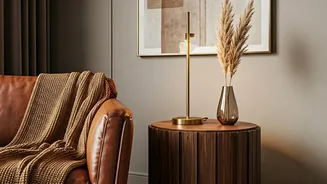
Texture isn't just about soft fabrics. Contrast is crucial, and that means incorporating 'hard' textures to balance the soft ones. Look for furniture and decor with tactile surfaces. This could be a coffee table made from live-edge wood with its natural grain and imperfections on full display. It could be a fluted glass vase that catches the light in interesting ways, or a side table with a veined marble top. Even smaller items count: think ceramic planters with a rough, handmade finish, brass or matte black metal fixtures, or woven baskets made from cane or rattan for storage. These elements provide a necessary counterpoint to the softness of textiles, creating a balanced and dynamic space.
Use Nature as Your Guide
The most beautiful and complex textures are found in nature. Bringing the outdoors in is a surefire way to elevate your decor. Houseplants are an obvious choice, offering a variety of leaf shapes, sizes, and textures—from the waxy leaves of a fiddle-leaf fig to the delicate fronds of a fern. But don't stop there. A large vase filled with dried pampas grass or cotton stems can add a soft, sculptural element. A simple bowl of interesting stones or pinecones on a console table, or a piece of driftwood used as a decorative object, can introduce organic texture that feels both calming and sophisticated.