


The Atmosphere: Immersive Nature vs. Regal Town
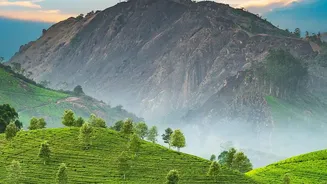
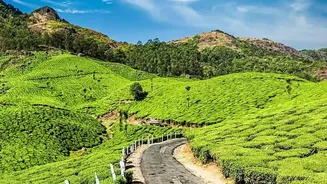
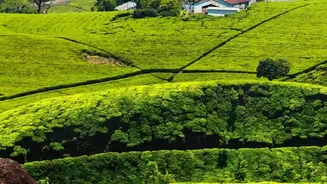
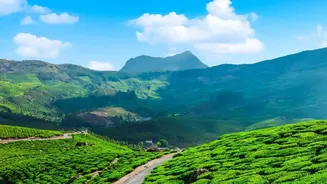
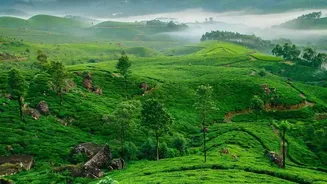
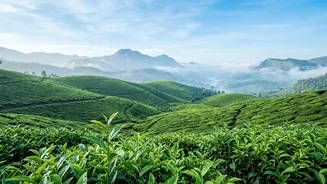
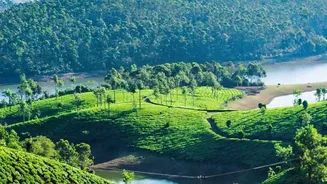
The fundamental difference between Munnar and Ooty lies in their vibe. Munnar is an experience of immersion. Its identity is woven into the vast, rolling tea plantations that dominate the landscape. The town itself is secondary to the sprawling estates,
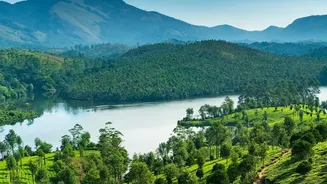
waterfalls, and misty viewpoints that surround it. A trip here is about losing yourself in nature, with resorts and homestays often tucked away amidst the greenery, offering seclusion and tranquility. Ooty, the 'Queen of Hills', feels more like a destination town. It has a defined centre, a bustling market, and a tangible sense of history reflected in its colonial-era buildings, churches, and clubs. While nature is abundant, it feels more structured and curated — think manicured botanical gardens and paddle boats on a serene lake, all framed by the charming architecture of a bygone era.
The Landscape: Endless Green vs. Curated Beauty
Visually, both destinations are stunning, but they paint different pictures. Munnar is a canvas of unending green. The landscape is a therapy of terraced tea gardens stretching as far as the eye can see, punctuated by shola forests and dramatic peaks like Anamudi. The beauty here is wild, expansive, and feels deeply connected to the agricultural rhythm of the plantations. Key sights include Top Station for its panoramic views and Eravikulam National Park, home to the endangered Nilgiri Tahr. Ooty's charm is more composed. The Government Botanical Gardens present a spectacular collection of flora, while Ooty Lake offers boating with a backdrop of eucalyptus groves. The journey on the Nilgiri Mountain Railway, a UNESCO World Heritage site, provides breathtaking views of the surrounding hills and valleys, showcasing a landscape where nature and heritage coexist beautifully.
Weather and What to Expect in November
November is an excellent month to visit both hill stations. The heavy monsoon rains have subsided, leaving behind a fresh, clean, and vibrant landscape. In Munnar, you can expect pleasant daytime temperatures, perfect for sightseeing and trekking, with evenings turning comfortably cool and misty. The tea gardens are at their lushest, and the waterfalls are still fed by the recent rains. Ooty in November is similarly delightful, with bright, sunny days and chilly nights. The air is crisp, and the post-monsoon clarity offers spectacular views from viewpoints like Doddabetta Peak. It's the ideal time for leisurely strolls through the gardens or a cozy evening by a fireplace.
Activities and Experiences
Your itinerary will look quite different depending on your choice. In Munnar, the days are about exploring the plantations. You can take guided tours of tea factories to learn about the process from leaf to cup, visit the Tata Tea Museum, or simply drive through the winding roads, stopping at viewpoints. Adventure seekers can go trekking or explore the local biodiversity. Ooty offers a more varied, town-centric list of activities. You can spend a day boating on Ooty Lake, admire the floral diversity at the Botanical Gardens and Rose Garden, and ride the historic 'toy train'. The town itself invites exploration, from the stone architecture of St. Stephen's Church to browsing for local Toda tribe embroidery and homemade chocolates.
Who Should Go Where?
Ultimately, the choice comes down to your travel personality. Munnar is perfect for honeymooners, couples, and nature lovers seeking peace and quiet. It's for those who want their accommodation to be the destination and prefer waking up to the sight of mist-covered tea gardens. If your idea of a holiday is minimal sightseeing and maximum relaxation in a natural setting, Munnar is your answer. Ooty is arguably better suited for families and larger groups. It offers a wider range of activities to keep everyone entertained, a more accessible town layout, and more choices for dining and shopping. It also appeals to history buffs and those who appreciate colonial architecture and the charm of an established hill station.