


What Is 'Tech-Driven' Housekeeping?
Forget hoping a cleaning crew happens to pass by. This new initiative is a significant upgrade to the existing On-Board Housekeeping Service (OBHS), which places cleaning staff directly on trains for maintenance during the journey. The 'tech-driven' part
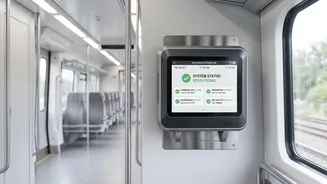
introduces a layer of digital monitoring and accountability. The system uses tools like AI-based cleaning assessments, geo-tagged service verification, and digital staff tracking to ensure tasks are completed to a certain standard. For passengers, this means a more structured and responsive system. For the railway, it provides data to monitor performance, identify problem areas, and improve service delivery across the board. This makes NFR the second railway zone in the country to implement such an advanced system.
Two Hours to a Cleaner Coach
The centerpiece of this new service is a clear target: resolving passenger complaints within two hours. Dedicated teams of on-board staff are now responsible for a range of duties, including regular cleaning of coaches, maintaining washroom hygiene, managing waste disposal, and ensuring timely linen distribution. They are also equipped to provide basic technical assistance, such as addressing issues with water availability. If a complaint, whether about a dirty washroom or an overflowing bin, cannot be resolved by the on-board team within the two-hour window, the issue is automatically escalated to higher-level railway authorities for intervention. This creates a clear chain of command and is designed to prevent passenger issues from falling through the cracks during a long trip.
The Five Trains Leading the Change
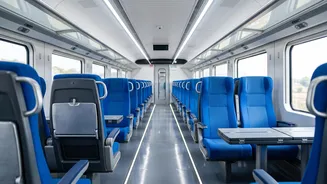
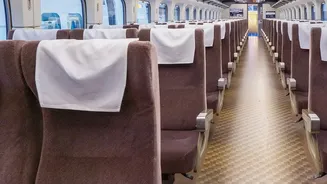
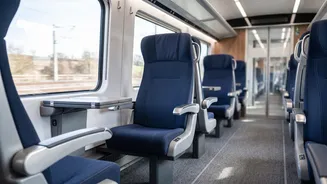
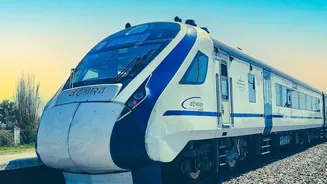
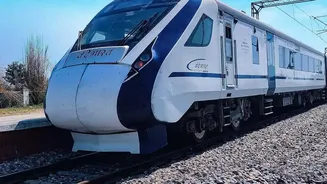
This enhanced service is not a system-wide rollout just yet. NFR has strategically chosen five important long-distance services to pilot the initiative. The selected trains include two premium Vande Bharat Express services, reflecting a focus on elevating the passenger experience on its most modern trains. The five trains are: the New Jalpaiguri–Patna Vande Bharat Express, the New Jalpaiguri–Guwahati Vande Bharat Express, the Guwahati–Kolkata Garib Rath Express, the Dibrugarh–Mumbai LTT Express, and the Kamakhya–SMVT Bengaluru Express. The rollout began on October 10, 2026, and was completed across all five designated services by October 14, marking a swift implementation of the new system.
AI, Feedback, and Future Accountability
Beyond just faster cleaning, this system aims to create a feedback loop. The initiative incorporates real-time passenger feedback and star ratings to help officials gauge service quality. Coupled with AI-based assessments that can analyze whether cleaning standards are being met, the railway can build a detailed picture of performance on each train. This data-driven approach moves housekeeping from a manual, often inconsistent process to a measurable and accountable service. It allows NFR to see exactly where and when standards are slipping and adjust staff deployment or cleaning schedules accordingly. The use of geo-tagging ensures that cleaning tasks are verified at the specific location, preventing false reporting and adding another layer of accountability for the on-board staff.
A Step Towards a Modern Railway
This initiative by the Northeast Frontier Railway is part of a broader push within Indian Railways to modernize and digitize its services. For years, the OBHS has been the backbone of en-route cleaning, but its effectiveness has often been limited by a lack of real-time oversight. By integrating technology like AI, live tracking, and passenger feedback systems, railways are trying to deliver a more consistent and reliable passenger experience. The success of this pilot on these five trains could pave the way for a wider rollout across the network. It signals a shift from a reactive cleaning model, where staff respond to complaints as they see them, to a proactive and digitally managed system designed to maintain high standards of hygiene throughout the entire journey.