

Start Small and Smart
The single biggest mistake beginners make is trying to do too much at once. The key to a successful start is to begin with just three to five resilient plants. This allows you to learn their needs without feeling overwhelmed. Focus on mastering the basics:
understanding watering rhythms, sunlight patterns, and how your plants grow. Using containers or pots is an excellent choice for beginners in India, as it gives you full control over the soil and location. Whether you have a spacious terrace or a small apartment balcony, container gardening is flexible and manageable. As you gain confidence, you can gradually expand your collection.
Choose the Right Spot
Sunlight is the food that fuels your plants. Before you buy a single seed, observe the spots in your home, balcony, or yard. Most vegetables and flowering plants need at least four to six hours of direct sunlight each day to flourish. A south-facing balcony in India typically gets strong, consistent sun, which is great for plants like tomatoes, chillies, and marigolds. If your space gets less sun, don't worry. Many leafy greens and herbs like mint and coriander can manage with just three to four hours. Also, consider access to water; having a tap nearby will make your routine much easier.
Pick Beginner-Friendly Plants
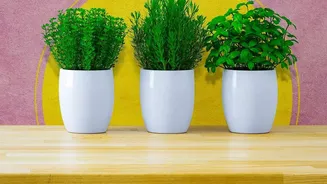
Setting yourself up for success means choosing plants that are known to be hardy and forgiving. For an Indian kitchen garden, start with essentials like tulsi (holy basil), mint (pudina), coriander (dhania), chillies, and cherry tomatoes. These grow relatively quickly and are used frequently in Indian cooking. If you're more interested in flowers, marigolds (genda), hibiscus, and bougainvillea are tough, heat-tolerant, and bloom beautifully in our climate. Avoid plants that require very specific or cool conditions until you have more experience. Starting with these easy varieties will give you rewarding results, faster.
Get the Soil Right
Good soil is the foundation of a healthy garden. Simply digging up mud from the ground often won't work for pots, as it becomes hard and compact, strangling the roots. A good potting mix needs to hold moisture while also allowing excess water to drain away. For beginners, a simple and effective mix is one part garden soil, one part compost (like vermicompost), and one part cocopeat. The cocopeat helps retain moisture and keeps the soil light, while the compost provides essential nutrients. You can buy these components separately and mix them yourself or purchase a ready-made potting mix from a local nursery. Always use a pot with drainage holes at the bottom.
Watering: The Golden Rule
More beginner plants die from overwatering than underwatering. The golden rule is to check the soil before you water. Stick your finger about an inch into the soil; if it feels dry, it's time to water. If it feels moist, wait another day. When you do water, water the soil at the base of the plant thoroughly until you see it run out of the drainage holes. This encourages roots to grow deep. The best time to water is in the early morning or evening, as watering in the harsh afternoon sun can scorch the leaves and cause the water to evaporate too quickly.