






The Dehydration Instinct
The mercury is climbing, the air is thick, and every cell in your body is screaming for something cold and wet. In a heatwave, our primary instinct is to fight dehydration. We know the signs: a dry mouth, fatigue, a looming headache. We reach for what
seems logical—a chilled bottle of anything that promises refreshment. Sports drinks promise to replenish electrolytes, packaged juices boast of 'real fruit goodness', and fizzy sodas offer that satisfyingly sharp chill. While staying hydrated is non-negotiable, our choice of beverage can mean the difference between genuinely helping our bodies cope and accidentally making the problem much worse.
The Common Sugary Culprits
The real issue lies with drinks that masquerade as healthy or hydrating. The biggest offenders are often the ones we least suspect. A single 500ml bottle of a popular lemon iced tea can contain over 40 grams of sugar—that's roughly 10 teaspoons. Packaged fruit juices, even those labelled '100% juice', are often concentrated sources of fructose that lack the fibre of whole fruit, delivering a massive sugar hit. Sports drinks are another tricky category. While designed for elite athletes undergoing intense, prolonged exercise, for the average person sitting at a desk, they are often just another form of sugar water. Even traditional favourites like bottled lassi or commercially prepared sherbets can be loaded with added sugars to improve taste and shelf life, negating their traditional cooling benefits.
How Sugar Makes Heat Worse
So, what’s the big deal? Sugar is more than just empty calories, especially when your body is already under heat stress. Firstly, highly concentrated sugar solutions can actually slow down the rate at which your body absorbs water. Your gut has to work to dilute the sugar, pulling water from your system to do so, which can temporarily worsen your hydration status. Secondly, a large sugar intake causes a rapid spike in your blood glucose, followed by an inevitable crash. The symptoms of this crash—fatigue, irritability, and headaches—are remarkably similar to the symptoms of dehydration, tricking you into thinking you need another sugary drink, creating a vicious cycle. Finally, high sugar intake can promote low-grade inflammation, adding another layer of stress to a body already working overtime to regulate its internal temperature.
Become a Sugar Detective
The key to avoiding this trap is to become a savvy label reader. Don't be fooled by marketing claims on the front of the bottle. Turn it over and look at the 'Nutritional Information' panel. Find the 'Sugars' line under 'Carbohydrates'. A good rule of thumb is to be wary of any drink that has more than 5 grams of sugar per 100ml. Also, check the ingredients list. Sugar hides behind many names: high-fructose corn syrup, dextrose, sucrose, maltose, and fruit juice concentrate are all just sugar in disguise. If sugar or one of its aliases is one of the first three ingredients, it’s a good sign that the drink is a sugar bomb.
Smarter Sips for Indian Summers
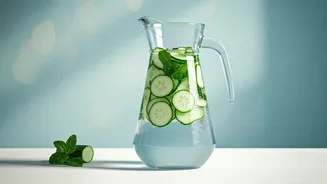
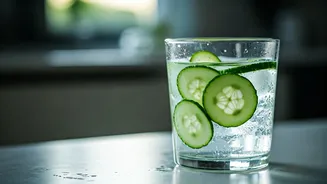
Fortunately, the best hydrating options are often the simplest and cheapest. Plain water is, and always will be, the undisputed champion of hydration. But if you crave flavour, there are fantastic alternatives. Homemade nimbu pani (lemon water) where you control the amount of sugar or salt is perfect. Unsweetened coconut water is a natural electrolyte powerhouse. Traditional buttermilk, or chaas, is a brilliant probiotic cooler that actively aids digestion. Infusing a jug of water with slices of cucumber, mint leaves (pudina), or lemon is another way to make hydration more interesting without adding any sugar. These drinks don't just quench your thirst; they actively support your body's efforts to stay cool and balanced.