

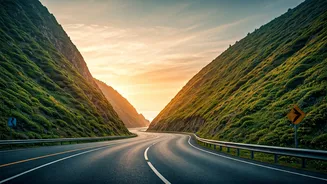


Embrace the Monsoon Magic
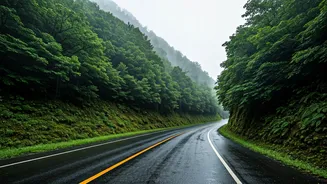
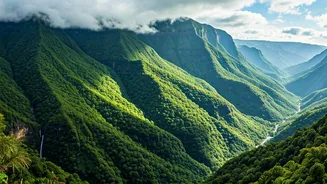
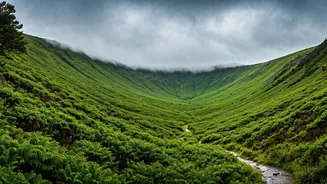
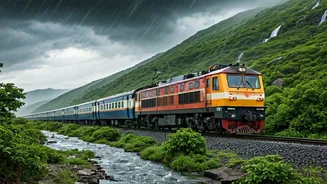
There's a reason why road-tripping through the Western Ghats from June to September is a bucket-list experience. The oppressive summer heat gives way to cool, misty air. Parched landscapes erupt in a hundred shades of green. Seasonal waterfalls, which
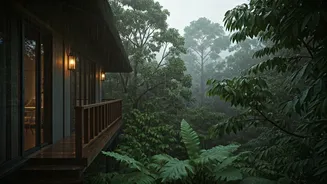
are mere trickles for the rest of the year, roar back to life, cascading down mountainsides. The scent of wet earth (petrichor) fills the air, and the entire ecosystem feels alive. A drive through areas like Coorg, Munnar, or the Konkan coast during this time isn't just a trip; it's a sensory overload in the best possible way. The experience is about sipping hot chai at a roadside stall while watching the rain, driving through low-hanging clouds, and witnessing nature's most dramatic annual spectacle.
Decoding the Monsoon Calendar
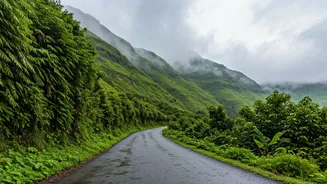
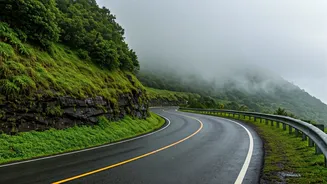
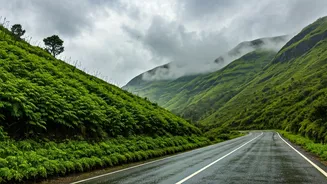
The key to a perfect trip is understanding the monsoon's phases. It’s not one continuous downpour. **Early Monsoon (June to mid-July):** This is the 'freshening up' phase. The first rains wash away the dust, and a brilliant, fresh green emerges. The crowds are thinner as many wait for the monsoon to set in fully. The rain is often in short, intense bursts, not constant drizzles. This is the best time for photography, as the light after a shower is magical. Waterfalls are beginning to swell but may not be at their peak. **Mid-Monsoon (Late July to August):** This is the peak. Expect heavy, consistent rainfall, especially in August. The Ghats are at their most lush and waterfalls are thunderous. This is the time for atmosphere—misty roads, fog-covered peaks, and the constant sound of rain. However, this is also the period with the highest risk of landslides and roadblocks. You must be extremely cautious and flexible with your plans. **Late Monsoon (September):** The rains begin to recede, but the landscape remains breathtakingly green. The waterfalls are still full, the weather is more pleasant with longer dry spells, and the roads are generally safer. This is arguably the sweet spot, offering the best of the monsoon's beauty with fewer risks. It's perfect for those who want the views without the constant downpour.
Choosing Your Monsoon Route
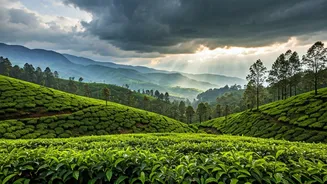
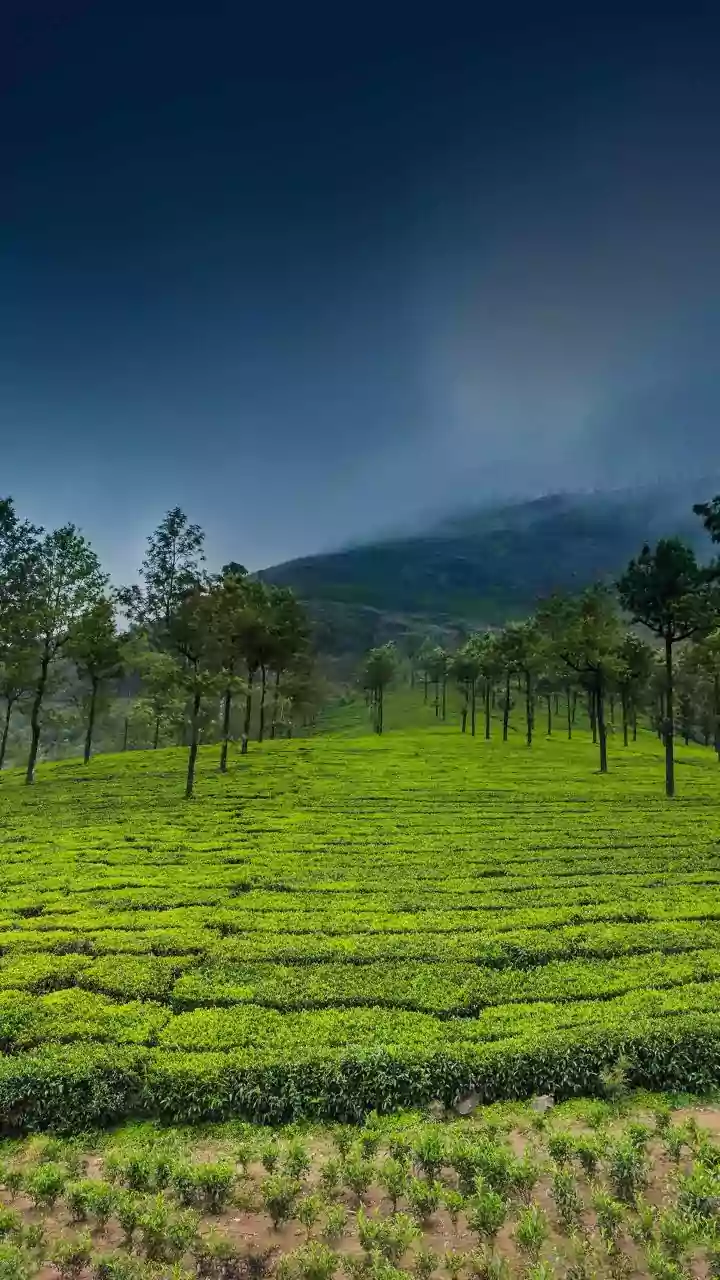
Not all routes are created equal, especially in the rain. Here are a few classic, relatively well-maintained options: * **Bangalore to Coorg, Karnataka:** A perennial favourite, this route takes you into the heart of coffee country. The drive through Madikeri is spectacular, with misty hills and the famous Abbey Falls at its most powerful. * **Kochi to Munnar, Kerala:** Driving up the winding roads to Munnar is an experience in itself. You'll pass gushing streams and endless tea plantations shrouded in mist. The cool climate at the top is a welcome escape. * **Mumbai to Malshej Ghat, Maharashtra:** A popular weekend getaway for Mumbaikars, Malshej Ghat becomes a wonderland of waterfalls during the monsoon. You can literally drive through smaller cascades that flow onto the road. Be prepared for traffic on weekends.
Essential Monsoon Prep
A little preparation goes a long way in ensuring your trip is safe and enjoyable. **Vehicle Check:** Before you leave, get your car serviced. Pay special attention to tyres (good tread is crucial for wet roads), brakes, and wipers. Ensure your headlights and fog lamps are working perfectly. **Packing List:** Pack quick-drying clothes and a reliable waterproof jacket. An extra pair of shoes is a must. Carry a waterproof bag for your electronics. A basic first-aid kit, insect repellent, and any personal medications are non-negotiable. **Navigation:** Don't rely solely on mobile networks, which can be patchy in the Ghats. Download offline maps of your route and destination on Google Maps or a similar app.
Safety on the Road
The beauty of the Ghats comes with inherent risks. Drive defensively and prioritise safety over speed. Maintain a safe distance from the vehicle ahead, as braking distances increase significantly on wet roads. Be extremely wary of potholes hidden by water. Most importantly, avoid driving after dark. Visibility drops to near zero in fog and heavy rain, making the winding roads treacherous. Always check the local weather forecast and news for any landslide warnings before and during your trip. If a road looks flooded or blocked, do not attempt to cross. It’s always better to turn back or wait it out than to take a risk.