





An Appetite for Atmosphere
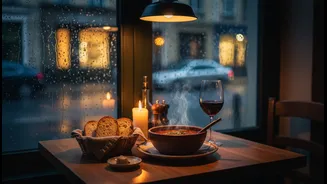
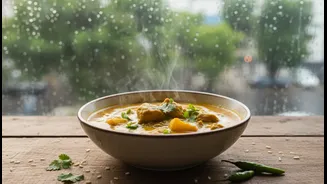
There’s a universal truth in India: when the skies turn grey, the appetite turns to comfort. The smell of wet earth, the cooler air, and the rhythmic drumming of rain create a powerful sensory backdrop that triggers a near-instinctive desire for hot,
crispy, and soulful food. For generations, this has meant home-cooked pakoras, steaming chai, or a hearty bowl of khichdi. This connection between the weather and our plates is deeply emotional, tied to childhood, family, and the simple joy of staying indoors. Now, the country's vibrant restaurant scene is expertly translating this private, domestic feeling into a public, culinary event. Chefs and restaurateurs are recognizing that monsoon cravings are not just about hunger; they are about feeding a sense of nostalgia.
From Street Food to Signature Plates
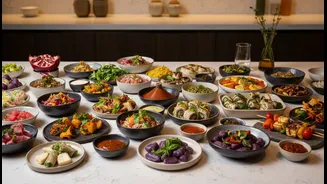
This trend isn't limited to one type of establishment. From casual cafes to fine-dining destinations, special monsoon menus are becoming a seasonal staple. In Mumbai, Adarsh Sweets offers a classic Chai Bhajia Platter, while Silver Beach Cafe tempts with a Fritter Basket and Bun Maska Chai. Meanwhile, upscale restaurants are putting their own spin on tradition. Delhi's Kikli, helmed by Chef Amninder Sandhu, serves a comforting menu of Punjabi favourites like Chicken Pakode and Satpura Chaat. Even international cuisines are getting a monsoon makeover. Yauatcha in Bengaluru offers a special Dim Sum & Tea pairing, while Guppy in Delhi serves steaming bowls of ramen, recognising that the desire for a warm, soupy meal transcends cultural boundaries during the rains.
The Science and Soul of Cravings
There's a science to why we crave these specific foods. The lack of sunlight during overcast monsoon days can lead to a dip in serotonin, our natural mood-booster. Carbohydrate-rich and fried foods can provide a quick, albeit temporary, lift. The crispy texture of a samosa or pakora offers a satisfying contrast to the damp, humid environment. Furthermore, spices common in monsoon dishes, like ginger, pepper, and turmeric, have warming properties. But beyond the science, there's soul. As one chef notes, dishes like pepper rasam or a simple omelette can transport a person back to their childhood. This powerful link between scent, taste, and memory is the secret ingredient that makes these menus so successful.
A Creative and Commercial Success
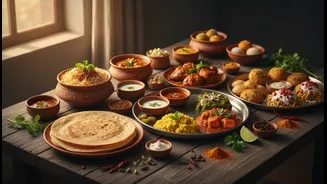
While rooted in emotion, the monsoon menu is also a savvy business strategy. It creates a sense of urgency with a limited-time offering, encouraging diners to visit. It drives footfall during a season that can sometimes see a dip in business. These menus are also incredibly photogenic, lending themselves to social media sharing—think of a steaming cup of hot chocolate from Pomodoro in Bandra or the vibrant colours of a chaat platter. Restaurants are getting creative, offering everything from Kerala-style stews and Malabar Parotta at Shy in Delhi to globally inspired bites like Massaman Pulled Shroom Croissants at Mokai. Some, like Radio Bar in Mumbai, are even collaborating with brands like Naagin Hot Sauce for a spicy monsoon menu, showing how the trend continues to evolve.