


What Exactly Is Sumac?
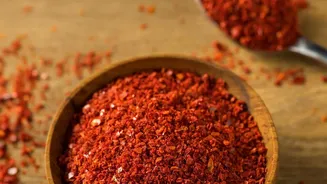
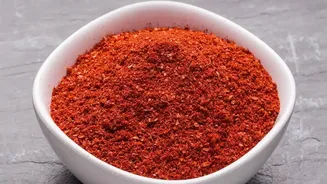
Sumac is a coarse, deep red powder made from the dried and ground berries of the wild sumac shrub, Rhus coriaria. This plant, a relative of the cashew, grows throughout the Mediterranean and Middle East. For centuries, it has been a cornerstone of Levantine,
Turkish, and Persian cuisines, valued for its ability to add acidity long before lemons were widely available. The berries are harvested, dried, and ground to create the spice, which has a distinct flavour profile that sets it apart from other souring agents. It offers a beautiful pop of colour and a unique taste that is both ancient and wonderfully modern.
A Unique Tangy Flavour
The taste of sumac is most often compared to lemon, but that's only part of the story. It delivers a bright, tart, and zesty flavour, but with a softer, fruitier edge than citrus. Think of it as lemon's earthy cousin; it provides a sour punch with subtle, grounding undertones and none of the sharp bitterness that lemon juice can sometimes impart. Crucially, sumac adds this acidity in a dry form. This is its superpower, especially in vegetarian cooking. You can achieve a vibrant, tangy lift without adding moisture that could make a salad soggy or thin out a creamy dip.
Why It Shines in Vegetarian Cooking
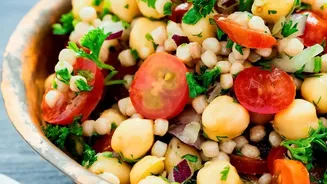
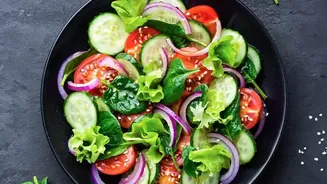
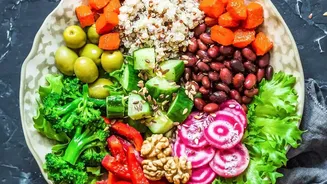
Sumac is particularly brilliant for plant-based dishes because it enhances and balances flavours. It can cut through the richness of roasted vegetables like cauliflower or sweet potatoes, and it brightens the earthiness of lentils, chickpeas, and grains like quinoa. A sprinkle over a simple tomato and cucumber salad or avocado toast provides an instant flavour boost. For marinades, especially for halloumi or tofu, sumac provides tang without watering down the other ingredients. It's also a key component in the popular Middle Eastern spice blend za'atar, which combines it with thyme, sesame seeds, and salt for a complex seasoning that is perfect on flatbreads or mixed with olive oil for a dip.
Classic Middle Eastern Pairings
To understand sumac's role, look to its traditional uses. It's the defining ingredient in the dressing for fattoush, a classic Levantine bread salad. It’s also the go-to finishing spice for dips like hummus and labneh (a thick, strained yogurt), where it adds both colour and a final flourish of flavour. A simple but transformative condiment across the Middle East involves thinly sliced red onions tossed with sumac and a bit of salt; the acidity of the spice mellows the onion's bite, creating a perfect topping for grilled vegetables or grain bowls.
Beyond the Basics: Buying and Using Sumac
When buying sumac, look for a vibrant, deep reddish-purple colour. If it appears brownish or dull, it is likely old and will have lost much of its characteristic tang. Store it in an airtight container in a cool, dark place away from heat to preserve its freshness. While it's excellent in dressings and marinades, one of the best ways to use sumac is as a finishing spice. Its flavour can diminish with high heat, so sprinkling it over a dish just before serving ensures you get its full, bright impact. Try it on fried eggs, mixed into rice, or even dusted over popcorn for a surprising and delicious twist.