







Kharif, Rabi, Zaid: The Trio of Seasons
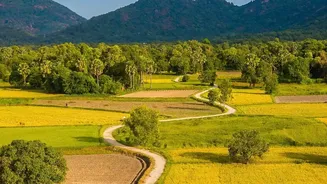
Indian agriculture is broadly divided into three cropping seasons: Kharif, Rabi, and Zaid. This system is a traditional adaptation to the subcontinent's diverse climate, especially the dramatic arrival and departure of the monsoon. The Kharif season is known
as the monsoon season, the Rabi is the winter season, and the Zaid is a shorter summer season that bridges the gap between the two. This division allows farmers to harness different climatic conditions throughout the year, maximising land use and ensuring a continuous supply of varied produce.
The Kharif Season: Sowing with the Rains
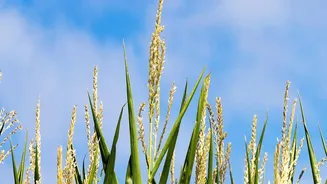
The Kharif season, which gets its name from the Arabic word for autumn, begins with the onset of the Southwest Monsoon in June and July. These crops are heavily dependent on rainfall, requiring hot and humid conditions to thrive. The harvest typically occurs between September and October. Major Kharif crops include some of the country's most vital staples, such as rice, maize, cotton, soybean, and groundnut. As of August 2026, the Kharif season is in full swing, with farmers tending to the crops sown at the beginning of the monsoon.
The Rabi Season: The Winter Workhorse
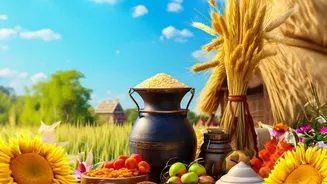
Rabi, an Arabic word for “spring,” refers to the crops sown in winter and harvested in the spring. The sowing period for the Rabi season starts around October and November, after the monsoon has retreated, and the harvest happens from March to April. Unlike Kharif crops, Rabi crops require cooler temperatures for growth and rely more on irrigation than seasonal rain. This makes them crucial for agriculture in states with well-developed irrigation. The most prominent Rabi crop is wheat, the staple food for millions in India. Other key Rabi crops include barley, gram (chickpeas), mustard, and lentils.
Why Rabi Timing Matters Right Now
The phrase “timely check” in the headline is particularly relevant as the Kharif season progresses. Decisions that will determine the success of the upcoming Rabi season are being made now. The amount of rainfall during the current monsoon directly impacts the moisture levels in the soil and the water stored in reservoirs, which are critical for Rabi crops that depend on irrigation. Furthermore, the government typically announces the Minimum Support Price (MSP) for Rabi crops around September or October, a crucial piece of information that helps farmers decide which crops to plant for the best financial return. For the upcoming 2026-27 marketing season, the government has already announced hikes in the MSP for all mandated Rabi crops to ensure remunerative prices.
Don’t Forget Zaid: The Summer Stopgap
Between the Rabi harvest in April and the Kharif sowing in June, there is a short summer window known as the Zaid season. This season is characterized by warm, dry weather and is used to cultivate short-duration crops that mature quickly, often within 60 to 90 days. These crops rely heavily on irrigation. Common Zaid crops include seasonal fruits and vegetables like watermelon, muskmelon, and cucumber, as well as some fodder crops. While smaller in scale than Kharif and Rabi, the Zaid season is vital for providing additional income to farmers and ensuring a steady supply of fresh produce to markets during the hot summer months.