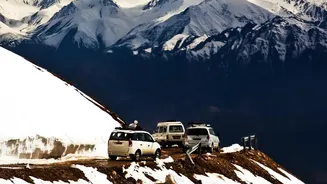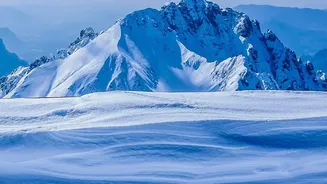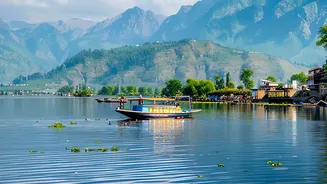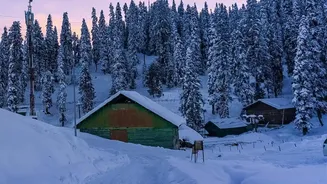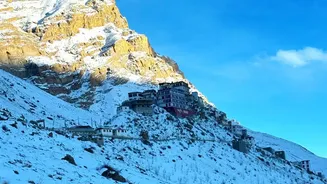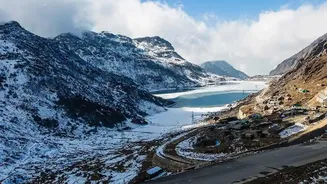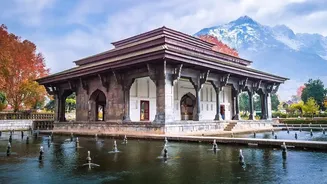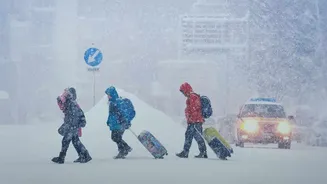

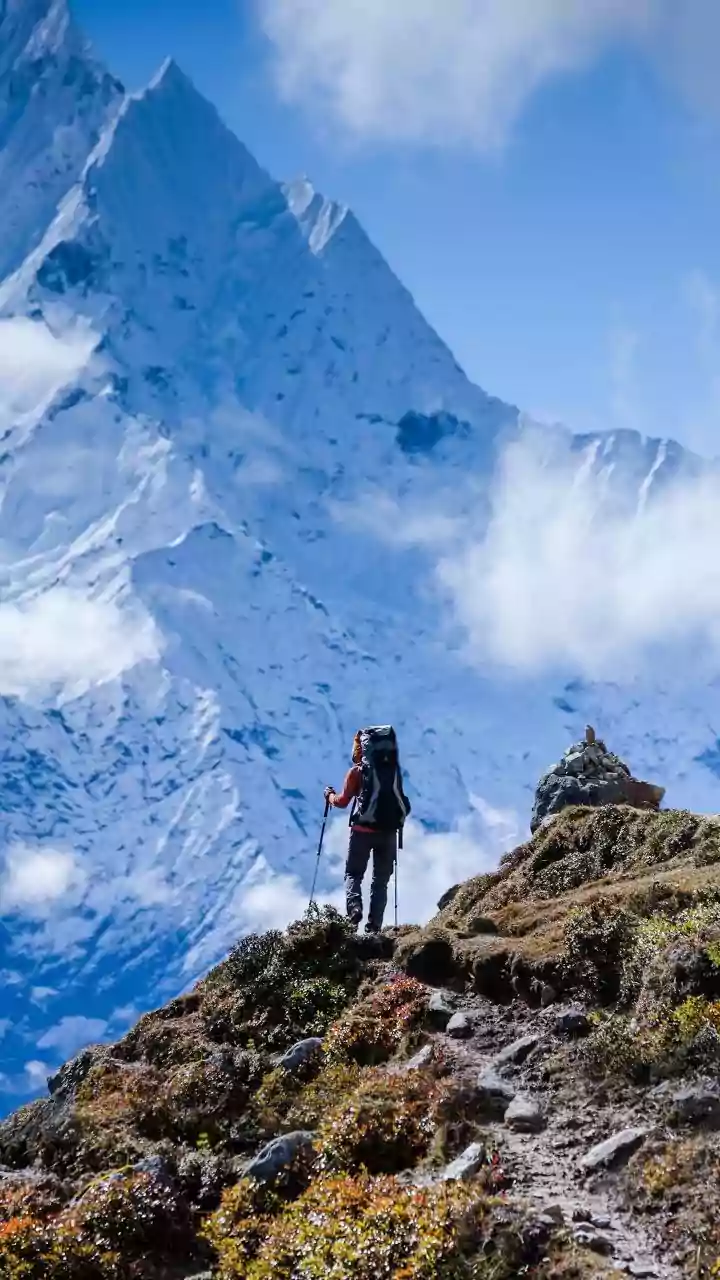
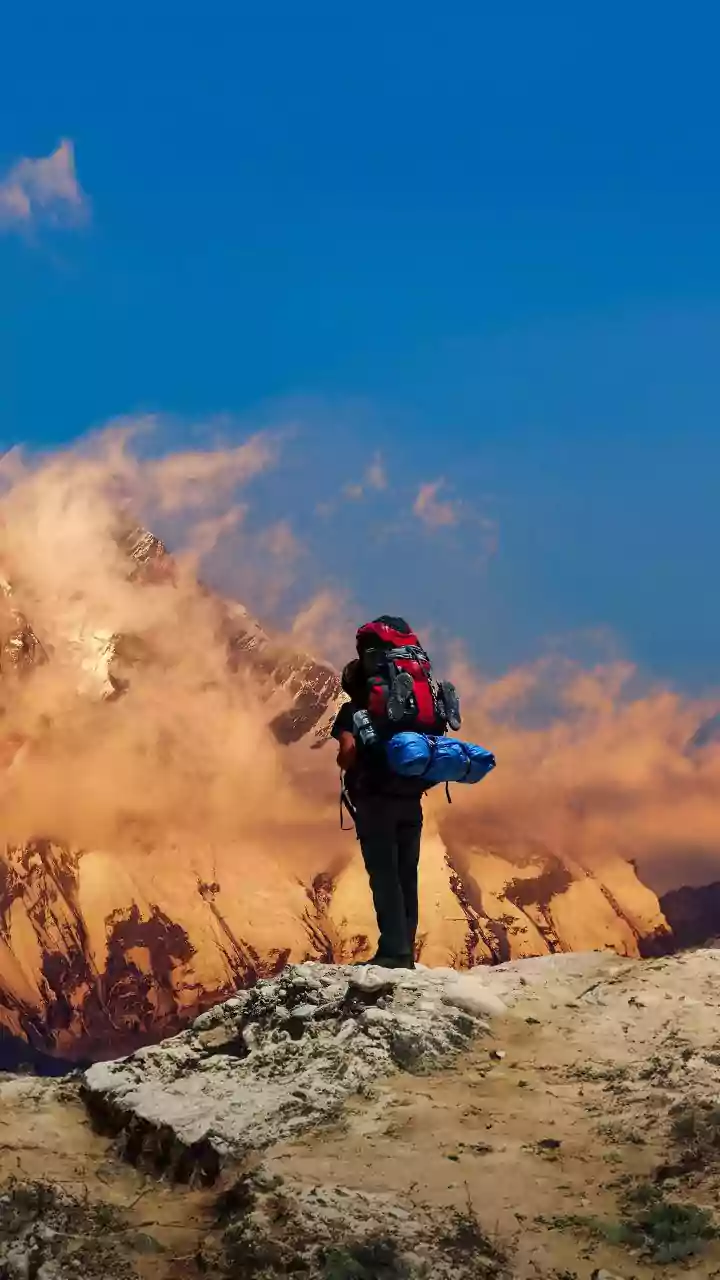
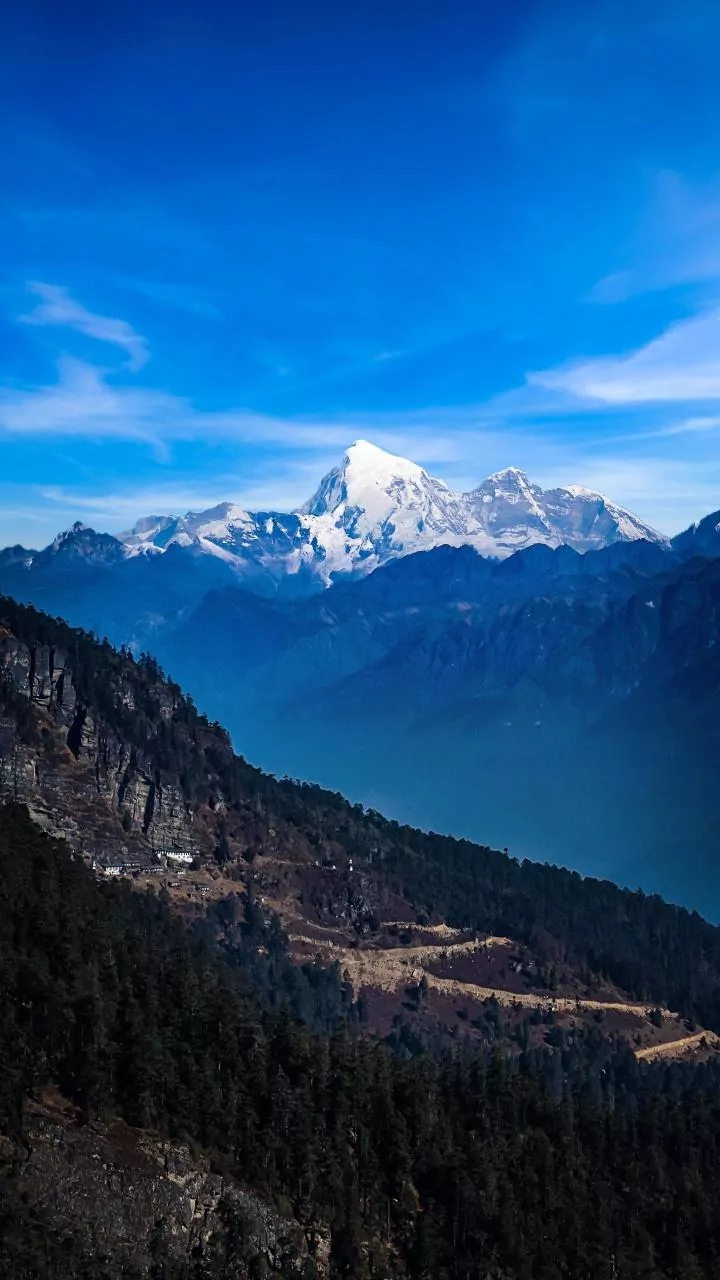
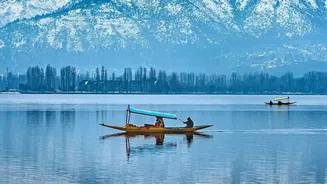
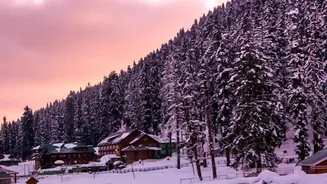
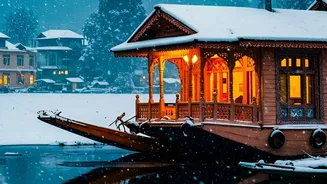
A Kashmir winter is pure magic, a world blanketed in white. While Gulmarg gets the spotlight, the real adventure lies beyond. But venturing into places like Pahalgam or Sonamarg requires preparation. Here’s how to plan a safe and memorable trip.
The Allure of Winter Beyond Gulmarg
While
Gulmarg is India's premier skiing destination, the soul of a Kashmiri winter can also be found in the quiet, snow-covered landscapes of other valleys. Pahalgam, a tranquil town on the banks of the Lidder River, remains accessible year-round and transforms into a serene wonderland. It offers a more relaxed pace compared to the bustling slopes of Gulmarg, perfect for quiet snow walks and absorbing the peaceful riverside scenery. Sonamarg, the 'Meadow of Gold', presents a more dramatic, high-altitude landscape. Though its accessibility can be tricky in deep winter, with the main road sometimes closing after heavy snowfall, the journey itself is a spectacle of raw, snowy peaks. Other destinations like Yusmarg and Doodhpathri offer even more solitude for the prepared traveller.
Your First Check: Trustworthy Weather Forecasts
The weather in the Himalayas is notoriously unpredictable, so your first step before and during your trip is to consult reliable forecasts. Don't rely on a single generic app. For specific and credible information, turn to the India Meteorological Department (IMD), which provides detailed forecasts for various cities and districts in Jammu and Kashmir, including Srinagar, Pahalgam, and Gulmarg. International services like AccuWeather and WeatherBug also offer detailed hourly and 10-day forecasts for the region, which can be useful for planning daily excursions. Pay attention not just to snowfall predictions, but also to temperature drops, as sub-zero conditions, especially at night, are common and require adequate preparation. A forecast of clear skies is just as important, as it signals safer driving conditions and stunning views.
The Lifeline: Monitoring Road Status
Your travel plans live and die by road accessibility. The Jammu-Srinagar National Highway (NH-44) is the main artery into the valley, and while it generally remains open, it is highly susceptible to temporary closures due to landslides, shooting stones, and heavy snow, particularly around the Ramban and Banihal sections. The official Jammu and Kashmir Traffic Police is your most critical resource. They issue daily advisories detailing the status of NH-44 and other key routes like the Mughal Road and the Srinagar-Sonamarg-Gumari (SSG) road. It's crucial to check their social media channels or contact their Traffic Control Units (TCUs) in Jammu, Srinagar, and Ramban before you start your journey. They provide cut-off timings and specify if traffic is one-way or twoway, which can significantly impact your travel time.
Local Conditions: The 4x4 and Snow Chain Rule
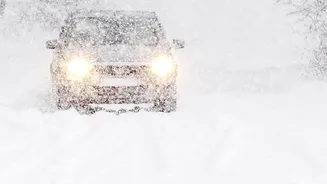
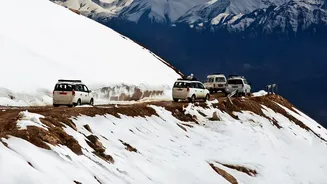
Official advisories give the big picture, but local conditions dictate the final leg of your journey. Roads to higher altitude destinations like Gulmarg and Sonamarg have their own set of rules in winter. The scenic 13stkilometre climb from Tangmarg to Gulmarg, for example, often requires 4x4 vehicles or cars fitted with snow chains after fresh snowfall, a rule enforced by local police. Similarly, while the ZerMorh tunnel has improved winter access to Sonamarg town, travel beyond it to places like the Thajiwas Glacier is often impossible. Your local driver or tour operator is your best source of realtime information. They are on these roads daily and know which stretches are prone to black ice and which require special precautions. Always confirm local access before setting out for the day.
Planning for Delays and Flexibility
Winter travel in Kashmir demands a flexible mindset. A journey planned for six hours can easily take ten, and a day trip might need to be postponed. As recent traffic advisories from early November 2026 show, even without snow, singlelane stretches and road maintenance on NH–44 can cause significant delays. Authorities often advise avoiding night travel altogether due to increased risks. The smartest approach is to build buffer days into your itinerary. This way, a road closure doesn't derail your entire trip ; instead , it becomes an opportunity to explore your current location more deeply . Pack essentials like a power bank , snacks , and water in your daypack , and ensure your vehicle has a full tank of fuel before any long drive.