




The 2026 midterm elections are over, but the results have created a new era of uncertainty for American foreign policy. With a divided government and the continued influence of Donald Trump, key questions loom over Washington's role in the world.
A New Political Landscape
The Democratic
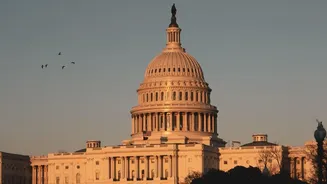
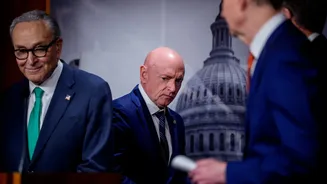
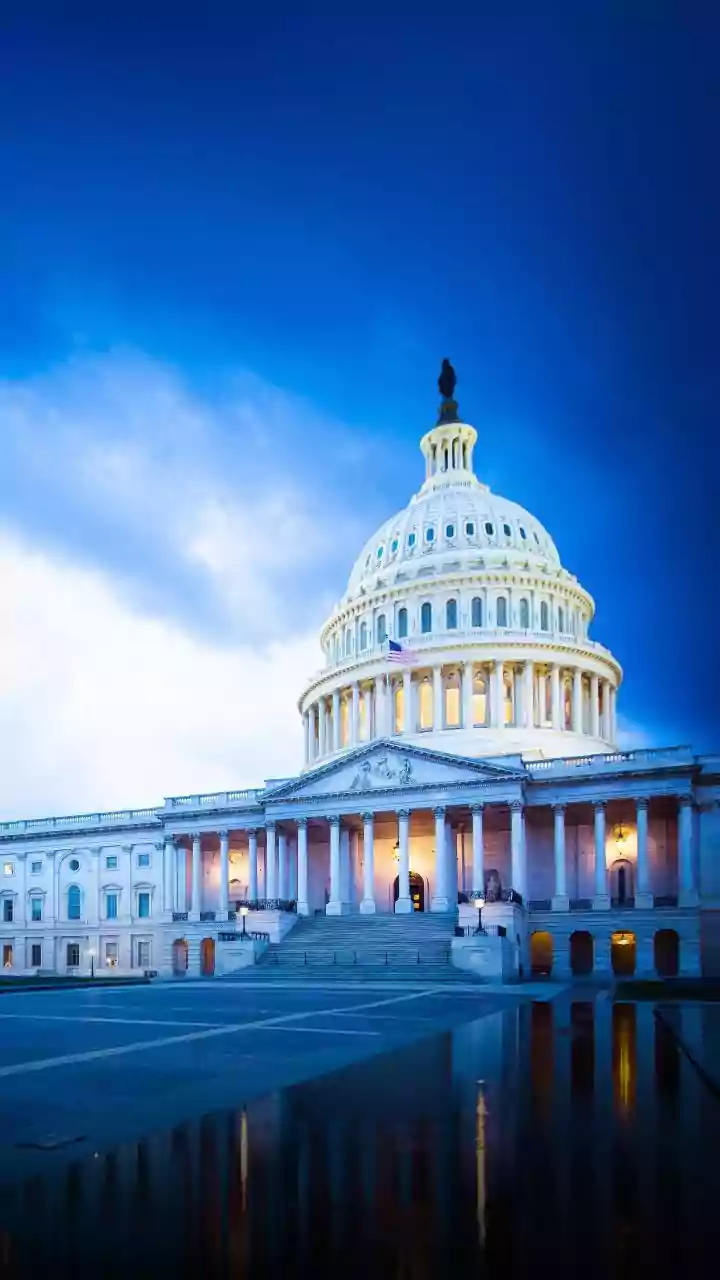
party's victory in both the House and Senate in the November 2026 midterm elections has fundamentally altered the political dynamic in Washington. While President Donald Trump remains in the White House, he now faces a Congress controlled by the opposition for the first time in his presidency. Historically, presidents facing a hostile Congress often pivot to foreign policy, where they retain significant executive power. However, the Democratic majority now controls congressional committees, the power of the purse, and the ability to launch investigations, setting the stage for major clashes over international policy, defense spending, and the future of America's overseas commitments.
The Unpredictable Trump Factor
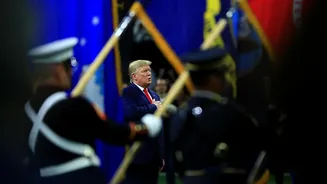
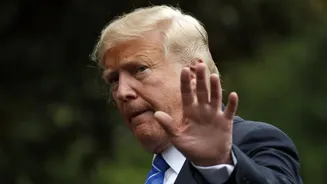
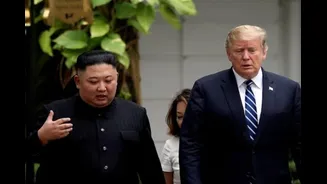
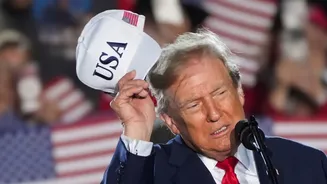
Despite his party's electoral losses, which many analysts attribute to voter backlash against his foreign policy, Donald Trump remains a dominant and unpredictable force. Now a lame-duck president unconstrained by future elections, there is speculation he may double down on his 'America First' agenda. Some analysts believe he could pursue more dramatic actions to secure his legacy, including potentially escalating the conflict with Iran or re-engaging in diplomacy with North Korea. His recent statements have been aggressive, suggesting the US may have to 'destroy' parts of Iran. However, he also faces pressure from within his own MAGA movement, including from figures like Vice President J.D. Vance, to end costly foreign wars and focus on domestic issues like inflation.
The Future of Aid for Ukraine
Support for Ukraine has become a major point of division. President Trump has previously halted direct military aid and tilted towards Russia on some policy matters, such as lifting sanctions on Russian diesel. The Republican party itself is split, with a traditional wing that sees supporting Ukraine as vital for deterring Russia and a growing 'America First' faction that is skeptical of foreign aid. With Democrats now in control of Congress, there is expected to be a strong push to restore and increase military and economic assistance to Kyiv. Lawmakers may attempt to insert aid packages into must-pass legislation, like the annual defense budget, and launch investigations into the administration's previous actions. However, any such legislation would likely face a presidential veto, which requires a difficult two-thirds majority in both chambers to override.
Uncertainty in the Middle East
The midterm results have sent ripples across the Middle East. The unpopular war with Iran, which began in 2025, was a significant factor for voters due to its impact on fuel prices. While Trump has stated the war was necessary to prevent a nuclear Iran, he now faces a Congress empowered to restrict funding for military operations. There is a window before the new Congress is sworn in during which some fear Trump might escalate the conflict. Simultaneously, US policy towards allies is also in flux. Trump has announced an end to billions in annual aid to Israel, a move that has drawn praise from some progressive Democrats but created significant uncertainty for one of America's closest regional partners.
How the World Is Reacting
Allies and adversaries alike are watching Washington's internal battles closely and adjusting their strategies. The prospect of a gridlocked and unpredictable US government is prompting many nations to accelerate plans for greater strategic autonomy, reducing their reliance on American security guarantees. European allies, while cautiously hopeful that a Democratic Congress can help mend fractured transatlantic ties, are preparing for continued uncertainty. For many global powers, the prevailing strategy is becoming 'wait-andsee', with a reluctance to enter into major agreements with the US until the political landscape, particularly looking ahead to the 2028 presidential election, becomes clearer.