




The World Wears a Green Cloak
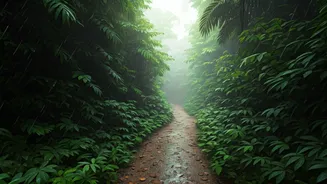
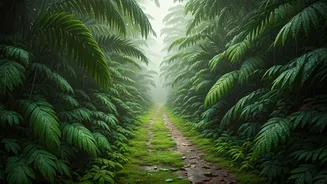
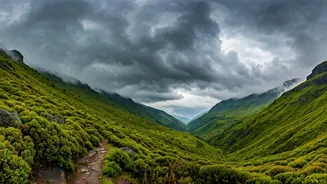
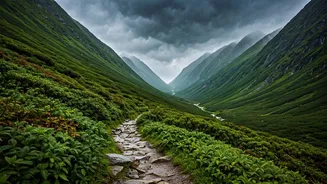
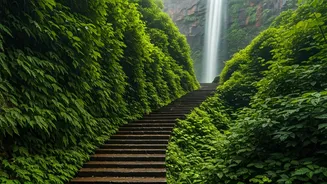
The most immediate and breathtaking change the monsoon brings is the colour. Dry, brown hills and sparse forests suddenly burst into life. Everything is covered in a vibrant, almost fluorescent green. Moss carpets ancient rocks, ferns uncurl in damp crevices,
and the air itself feels cleaner and heavier with the scent of wet earth and blooming flora. This sensory overload is what makes a monsoon trek feel like stepping into a different realm. A familiar trail you might have walked in winter becomes unrecognisable, offering a completely new perspective and making you feel like an explorer discovering a lost world.
Waterfalls Appear at Every Turn
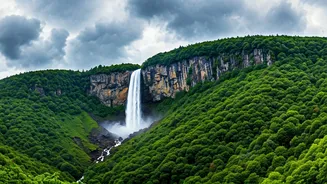
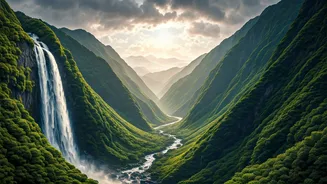
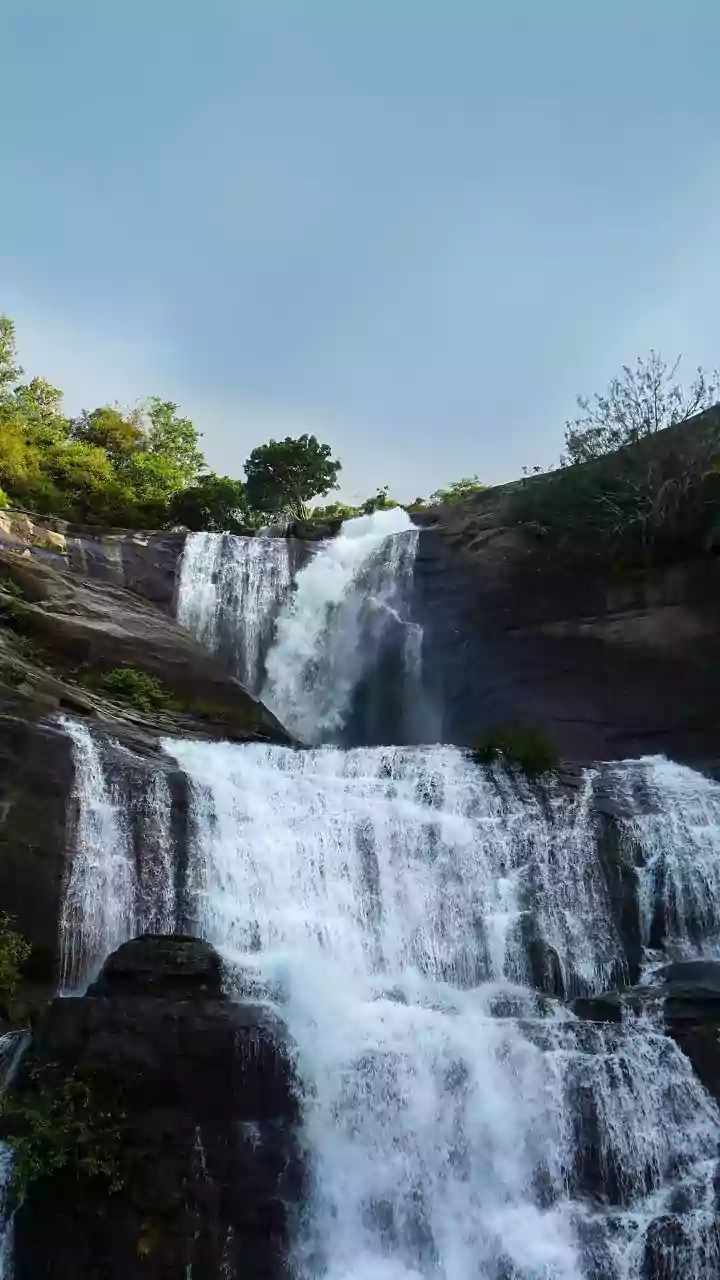
During the monsoon, the mountains come alive with the sound of water. Streams that are mere trickles for the rest of the year become gushing torrents, and temporary waterfalls cascade down cliffs where none existed before. The joy of stumbling upon a hidden waterfall, feeling its cool spray on your face, is a reward unique to this season. Many trails in the Western Ghats, like those around Lonavala, Malshej Ghat, or the forts near Pune, are famous for their countless waterfalls. It turns a simple walk into an interactive, dynamic experience, where the landscape is constantly changing with the flow of water.
The Thrill of a True Challenge
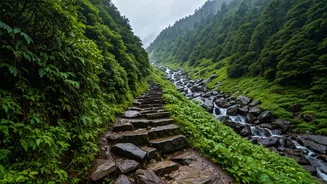
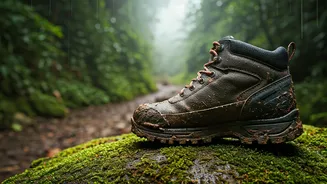
Let’s be honest: ‘exciting’ is often a polite word for ‘challenging’. Monsoon trekking is not for the faint of heart. The trails are slippery with mud and slick rocks, requiring your full attention and a sturdy pair of shoes with excellent grip. The constant drizzle or heavy downpour tests your endurance and your gear. You might encounter leeches (an ankle-guard or leech sock is a wise investment!), navigate through thick fog with low visibility, and cross swollen streams. This challenge, however, is part of the appeal. It pushes you to be more mindful, more prepared, and the sense of accomplishment at the end of a tough monsoon climb is far greater.
Essential Gear and Safety First
The key to enjoying a monsoon trek is preparation. Your regular trekking gear won’t cut it. Invest in a good waterproof jacket and pants, and a rain cover for your backpack. Quick-dry clothing is a must, as cotton will get wet, stay wet, and make you cold. Most importantly, wear trekking shoes with deep lugs for superior grip on slippery surfaces. Always pack a small first-aid kit, a whistle, a torch, and some high-energy snacks. Check the weather forecast religiously, and never trek alone in the monsoon. Inform someone of your route and estimated return time. Avoid trails known for landslides and choose popular, well-marked routes, especially if you're a beginner.
Popular Trails That Shine in the Rain
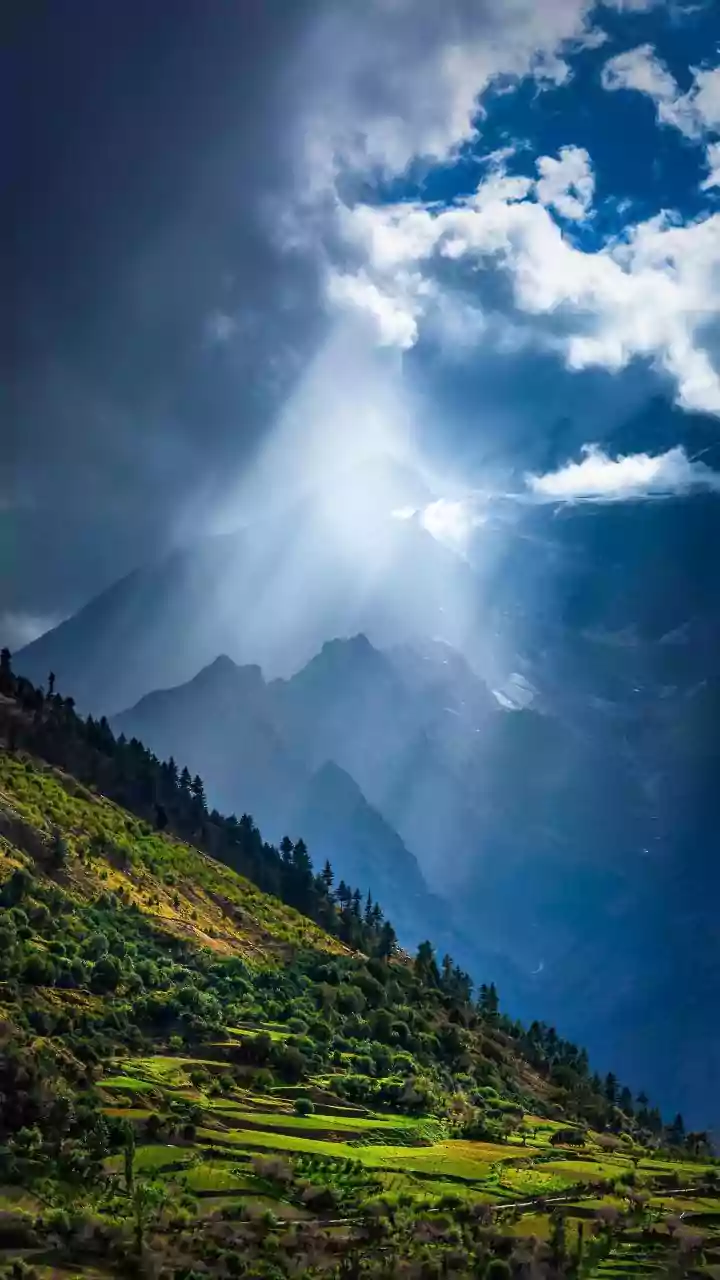
India is blessed with incredible monsoon trekking destinations. The Sahyadris (Western Ghats) in Maharashtra are a monsoon paradise, with iconic fort treks like Rajmachi, Lohagad, Visapur, and Kalsubai Peak offering spectacular views. In the south, destinations like Kudremukh in Karnataka and most of the trails in the Nilgiris transform into lush wonderlands. Even the lower Himalayas in states like Himachal Pradesh and Uttarakhand have specific trails that are safe and beautiful during the rains, like the Valley of Flowers, which is in full bloom during this season. Do your research, as many higher altitude Himalayan treks are closed due to heavy snow or landslide risks. Always opt for trails that are officially open and deemed safe by local authorities.