






The Science of Brightness
Lemon's power lies in its acidity. When a dish is heavy with fat from butter, cream, or meat, it can coat the palate, making every bite feel less exciting than the last. The citric acid in lemon juice makes your mouth water, which helps cleanse your palate and
cut through that richness. It doesn't actually remove the fat, but it provides a bright, sharp contrast that makes the entire dish taste fresher and more balanced. Think of it as a reset button for your taste buds, allowing you to appreciate the other flavors in the dish more fully.
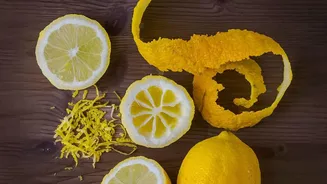
Zest vs. Juice: Know the Difference
While they come from the same fruit, lemon juice and lemon zest serve different purposes. Lemon juice provides the tart, acidic quality that actively cuts through fat and balances flavor. Lemon zest, the fragrant outer peel, contains aromatic oils that deliver a powerful lemon scent and flavor without the same level of acidity or added liquid. Use juice when you need that bright, palate-cleansing tang. Use zest when you want to infuse a dish with a pure, aromatic lemon essence, which is perfect for baked goods or finishing a savory dish without making it sour.
Taming Creamy and Cheesy Dishes
Cream-based pastas, rich risottos, and cheesy sauces are delicious but can quickly become one-note. A squeeze of lemon juice added at the end of cooking can transform them. The acid brightens the dairy and cheese, preventing the dish from feeling heavy. For a simple and elegant pasta, toss cooked fettuccine with a sauce of butter, Parmesan, and a generous amount of both lemon juice and zest. A key tip for cream sauces is to add the lemon juice off the heat or right before serving to prevent the cream from curdling. The lemon not only lightens the flavor but can also help thicken the sauce by reacting with the proteins in the cream.
Lifting Rich Meats and Fish
Fatty meats like pork, lamb, and rich fish such as salmon benefit immensely from lemon. The acidity in lemon juice can act as a tenderizer in marinades, beginning to break down the proteins in the meat before it even hits the heat. For a classic chicken piccata or a simple pan-seared lemon pepper chicken, a sauce made with butter, garlic, and lemon juice cuts through the richness of the meat and creates a vibrant pan sauce perfect for spooning over everything. With oily fish like salmon, a simple squeeze of fresh lemon after cooking is often all you need to balance the natural fats and enhance the delicate flavor of the fish.
The Perfect Partner for Fried Foods
There's a reason fish and chips are almost always served with a lemon wedge. The sharp acidity is the perfect antidote to the greasiness of fried food. That bright burst of citrus cleanses the palate after each bite, making fried chicken, calamari, or even simple French fries taste lighter and less oily. You can incorporate lemon by squeezing it directly over the finished dish or by making a lemon-based dipping-sauce, like a simple aioli with lemon juice and garlic. For something like lemon pepper wings, the zest and juice are often used in both the coating and a finishing butter sauce for maximum impact.