
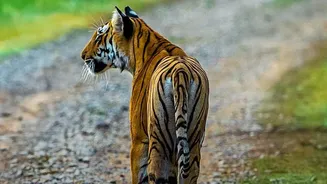
An All-in-One Ticket to the Wild
Planning a trip to a tiger reserve has often been a logistical puzzle, involving separate bookings for trains, hotels, and the highly sought-after safari permits. However, a recent partnership is set to change that. The Indian Railway Catering and Tourism
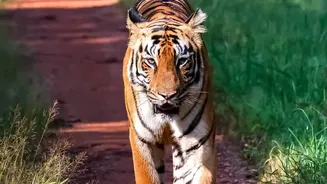
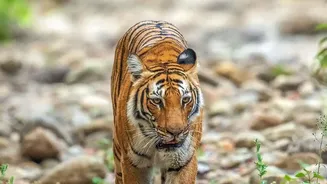
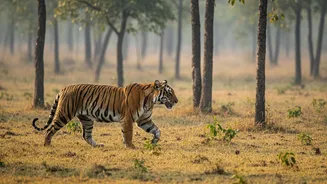
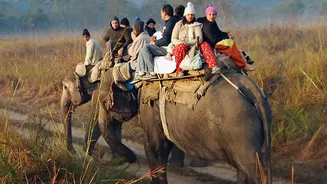
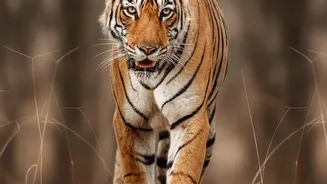
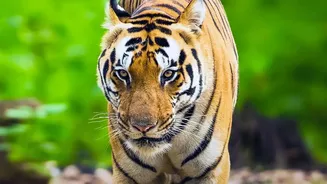
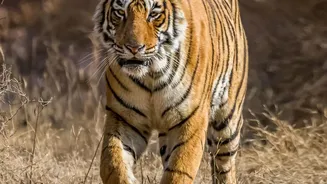
Corporation (IRCTC) has signed an agreement with the Maharashtra Forest Department to offer integrated wildlife tourism packages. This collaboration aims to provide a single, seamless booking that covers confirmed train travel, accommodation, local transfers, and, most importantly, assured safari permits. Initially, these packages will focus on Maharashtra's premier wildlife destinations, which form a key part of Central India's tiger landscape. This includes renowned reserves like Tadoba-Andhari, Pench, Navegaon-Nagzira, and Bor. By bundling these components, officials hope to make wildlife travel more organised, convenient, and accessible for families, photographers, and solo adventurers alike, streamlining the entire process from start to finish.
Exploring the Heart of Tiger Country
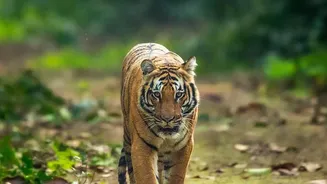
Central India, particularly the states of Madhya Pradesh and Maharashtra, is often called the 'Tiger State' of India, boasting the country's highest tiger population. This region is home to some of the most famous and well-managed national parks. The new rail packages will initially open up easier access to Maharashtra's jewels. Tadoba-Andhari Tiger Reserve is famous for its high tiger density and frequent sightings, while Pench National Park, which straddles both Maharashtra and Madhya Pradesh, is known for its rich biodiversity that famously inspired Rudyard Kipling’s “The Jungle Book”. Beyond these, the packages will also cover Umred Karhandla Wildlife Sanctuary and Tipeshwar Wildlife Sanctuary, offering a chance to explore less crowded but equally promising habitats. These reserves are part of a larger, critical landscape that also includes Madhya Pradesh's iconic parks like Bandhavgarh, Kanha, and Satpura, creating a vast and interconnected haven for wildlife.
What It Means for Your Budget
The phrase "budget boost" in the context of safaris doesn't just mean cheaper prices, but better value and predictability. A typical tiger safari can cost anywhere from $80 to over $1,500 per person per day, depending on the level of luxury, whether you book a private or shared jeep, and the park itself. Mid-range options, offering a comfortable lodge and better naturalist support, generally fall between $250 to $450 per day. The new all-in-one packages from IRCTC aim to simplify this financial planning. While final pricing is yet to be announced, these curated itineraries are expected to offer competitive rates by bundling services. This removes the guesswork and the hassle of piecing together a trip, which can often lead to unexpected costs. By providing a clear, upfront cost for transport, lodging, and safaris, these packages make a world-class wildlife experience more approachable for a wider range of domestic tourists.
Long-Term Connections on the Horizon
Beyond the immediate convenience of travel packages, significant long-term infrastructure is also in development. The National Board for Wildlife has given in-principle approval for a new, third railway line connecting Jujharpur and Chichonda in Madhya Pradesh. This 160-km stretch is part of the crucial Itarsi-Nagpur route, which passes through the vital Satpura-Melghat tiger corridor, linking reserves in Madhya Pradesh and Maharashtra. While this project promises to enhance freight movement and general connectivity in the region for years to come, it is not without controversy. The new line will cut through an ecologically sensitive zone and two notified tiger corridors, which are essential for the movement of tigers, leopards, and other wildlife, ensuring genetic diversity.
Balancing Tourism with Tiger Welfare
The prospect of increased access raises an important question: what is the impact on the tigers themselves? Revenue from tourism is a powerful tool for conservation, funding anti-poaching patrols and supporting local communities that live alongside wildlife. However, studies have shown that a high volume of tourism can have negative effects. Research conducted in several Indian tiger reserves, including Bandhavgarh and Kanha, found that tigers in areas with high human activity and safari routes exhibit higher levels of stress hormones. This can affect their natural behaviour and even lead tigresses to seek quieter, less suitable areas for breeding. Recognizing these risks, the clearance for the new rail line comes with strict conditions, including the construction of numerous wildlife overpasses to allow animals to cross safely. This highlights the delicate balance that must be struck between making these incredible animals accessible and protecting the very ecosystems they depend on to survive.